
1944-S Wheat Penny Value, Errors & Mint Mark Guide
Most 1944-S Wheat Pennies are common bronze cents and circulated examples are generally inexpensive. Value increases in Mint State, especially when original Red color remains. The extremely rare 1944-S steel cent is a separate off-metal error.
Reviewed by the Coins Identification editorial team · Prices last reviewed September 2026
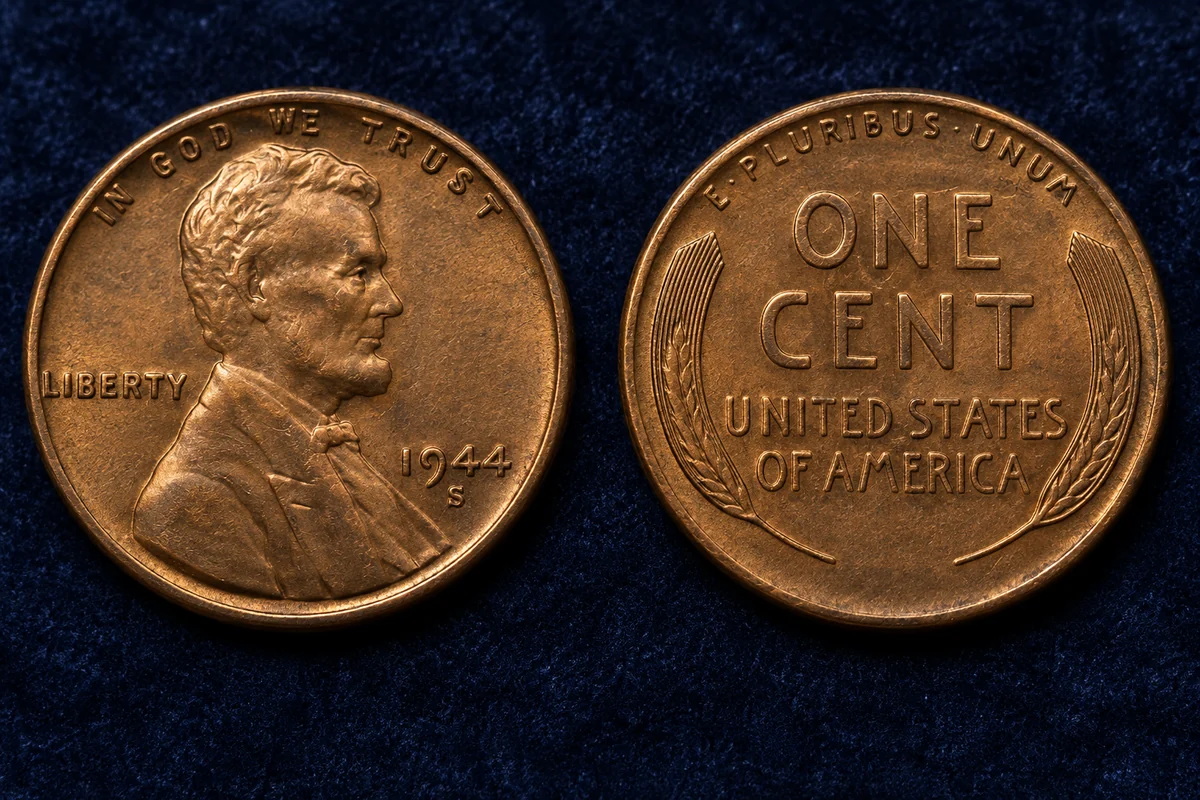
How Much Is a 1944-S Wheat Penny Worth?
The regular bronze San Francisco cent is the correct starting point.
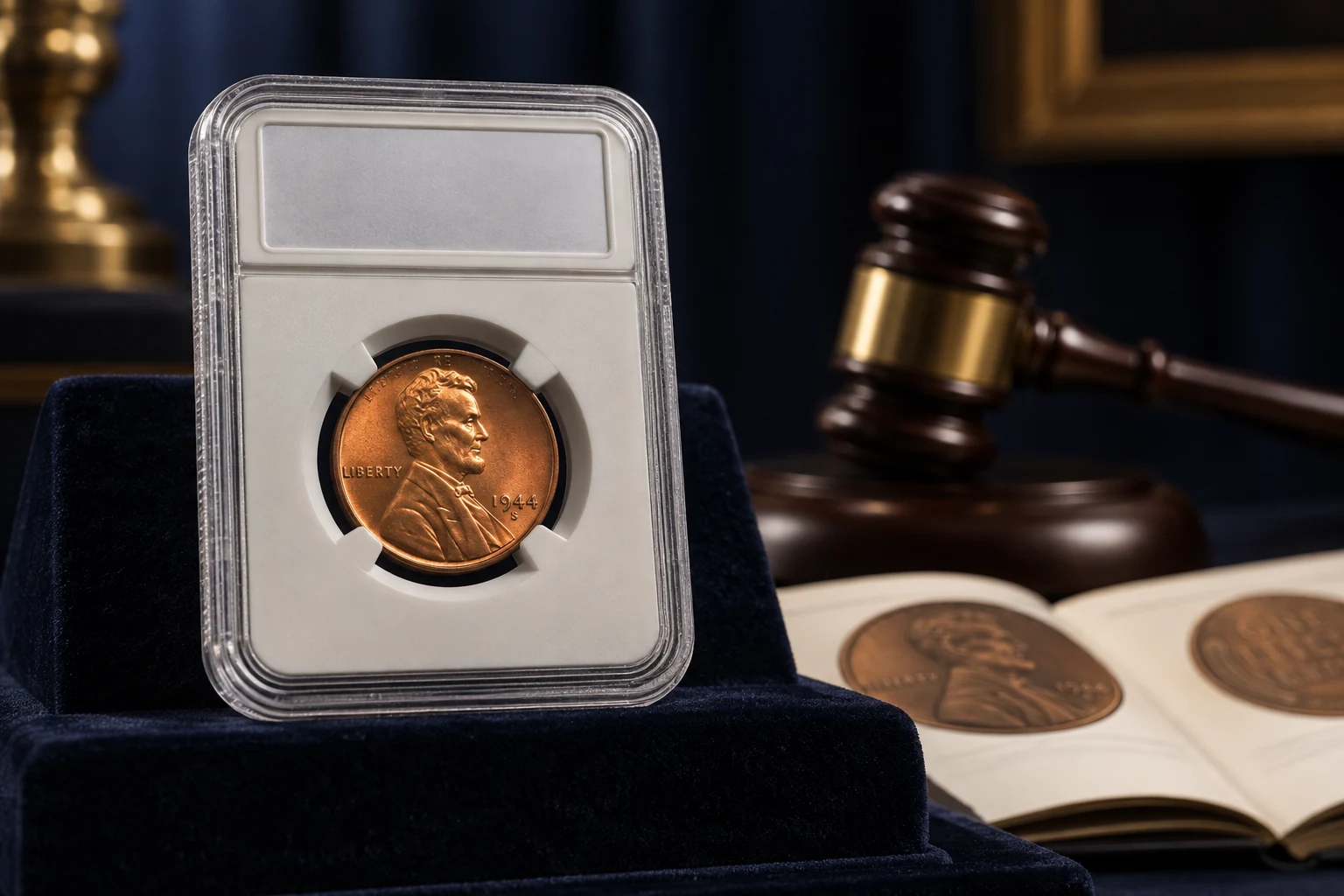
Most circulated 1944-S Wheat Pennies are common bronze cents and usually bring a modest amount. Certified Mint State coins are worth more because they retain sharper detail and fewer marks. Within the same numerical grade, BN, RB and RD color designations can change demand and price substantially. Original surfaces, natural luster and a strong strike matter as much as a bright appearance. Cleaning, polishing, corrosion or artificial color can reduce confidence and value.
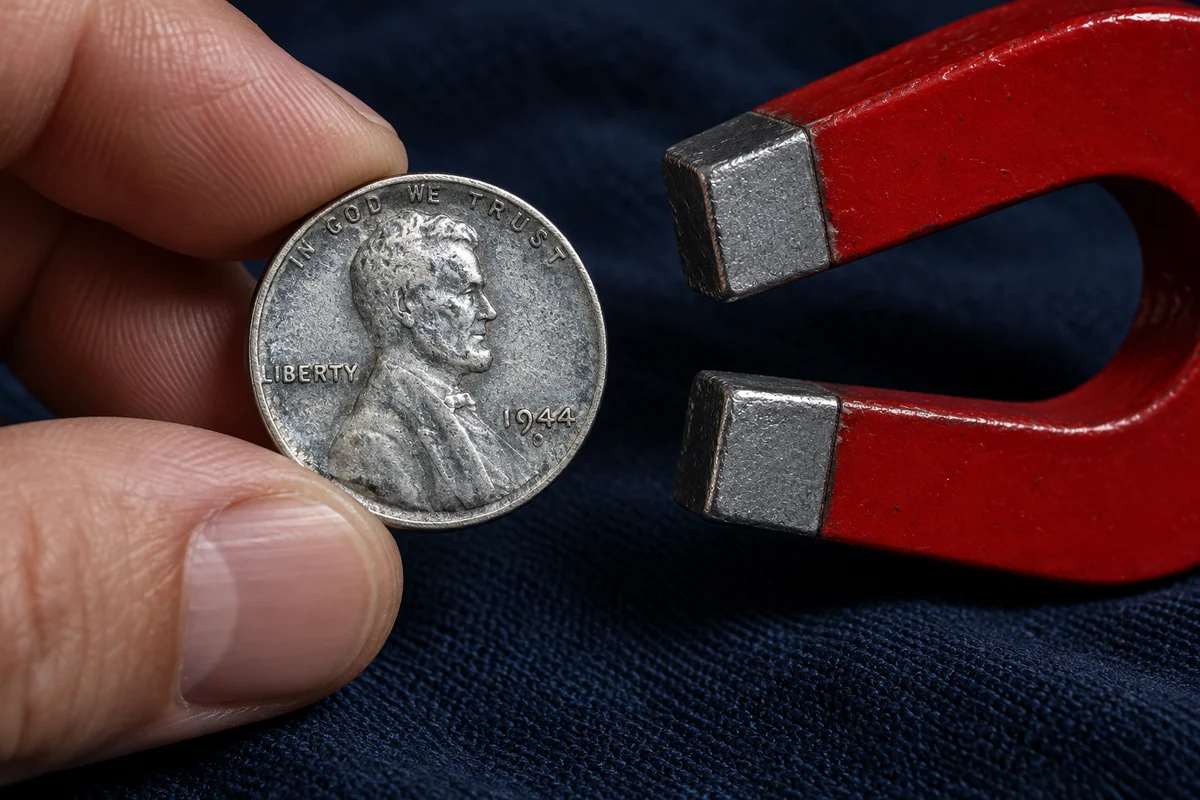
A rare 1944-S steel cent must stay separate from the normal bronze issue. The regular coin weighs about 3.11 g and is nonmagnetic; a possible steel piece is near 2.70 g and magnetic. Those checks only screen the coin. Use the tables as reference points for regular bronze examples and compare the exact mint, grade, color and certification before relying on a price.
1944-S Wheat Penny Value at a Glance
Reference context is separated by grade and color; a single number would be misleading.
| Condition | Grade | Color | Value context |
|---|---|---|---|
| Good | G4 | BN | Circulated; grade and color drive the value |
| Fine | F12 | BN | Circulated; grade and color drive the value |
| Very Fine | VF20 | BN | Circulated; grade and color drive the value |
| Extremely Fine | XF40 | BN | Circulated; grade and color drive the value |
| About Uncirculated | AU50 | BN | Circulated; grade and color drive the value |
| Mint State | MS63 | BN / RB / RD | Certified; compare the exact color row |
| Choice | MS64 | BN / RB / RD | Certified; compare the exact color row |
| Gem | MS65 | BN / RB / RD | Certified; compare the exact color row |
| High Grade | MS66 | BN / RB / RD | Certified; compare the exact color row |
| Superb | MS67 | where applicable | Certified; compare recent sales |
Prices last reviewed: September 2026. Use the exact mint, grade and color in the PCGS Price Guide and compare NGC or recent certified sales before using a value.
1944-S Wheat Penny Value Chart
Regular bronze values must be matched to the exact grade and BN/RB/RD color.
This page does not repeat a partial numeric snapshot for every grade/color combination. Use the linked PCGS Price Guide for the current row, then compare an equivalent certified sale. Missing guide rows are not zero values and should not be filled from a neighboring grade.
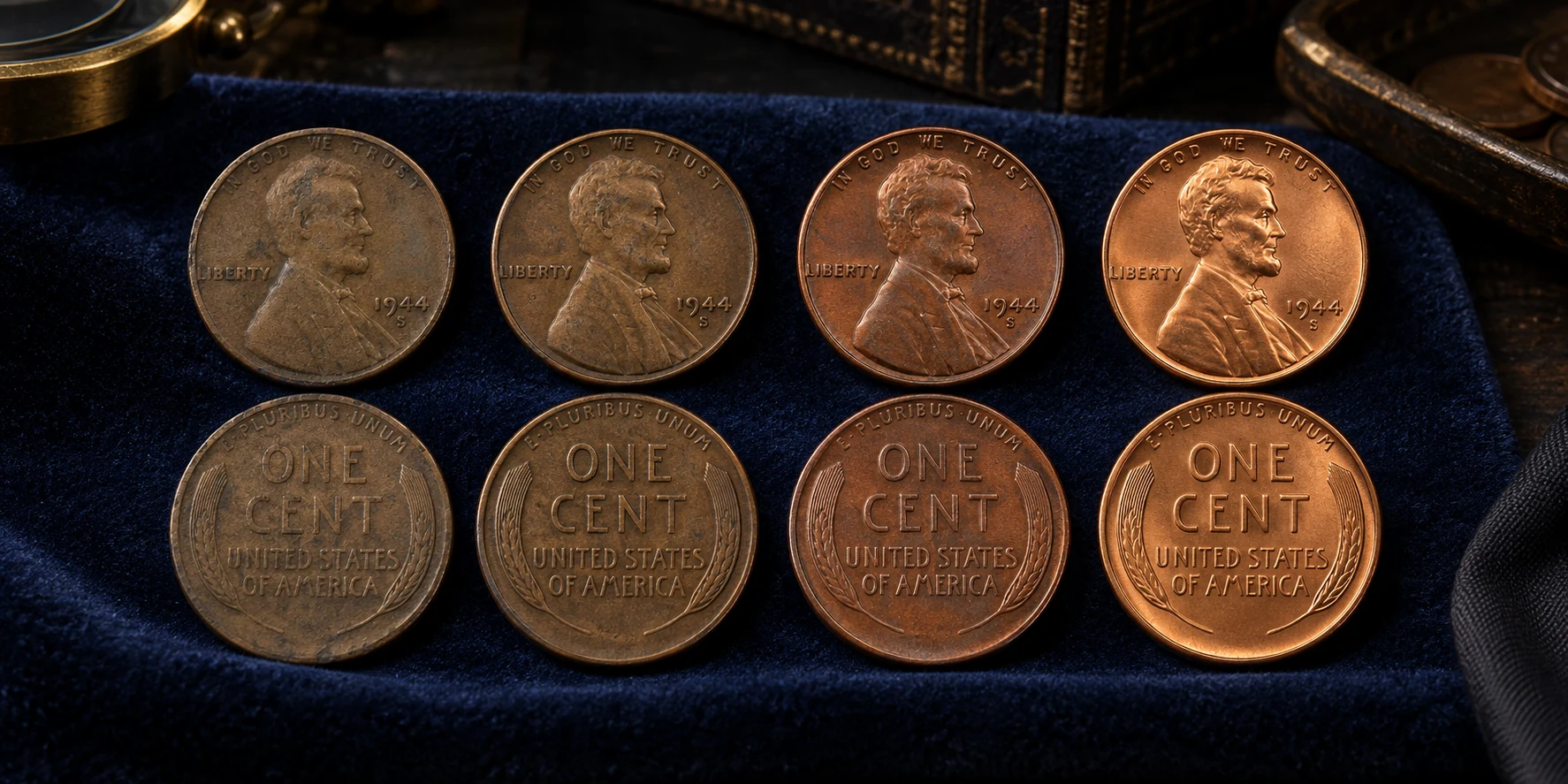
How Color Affects 1944-S Wheat Penny Value
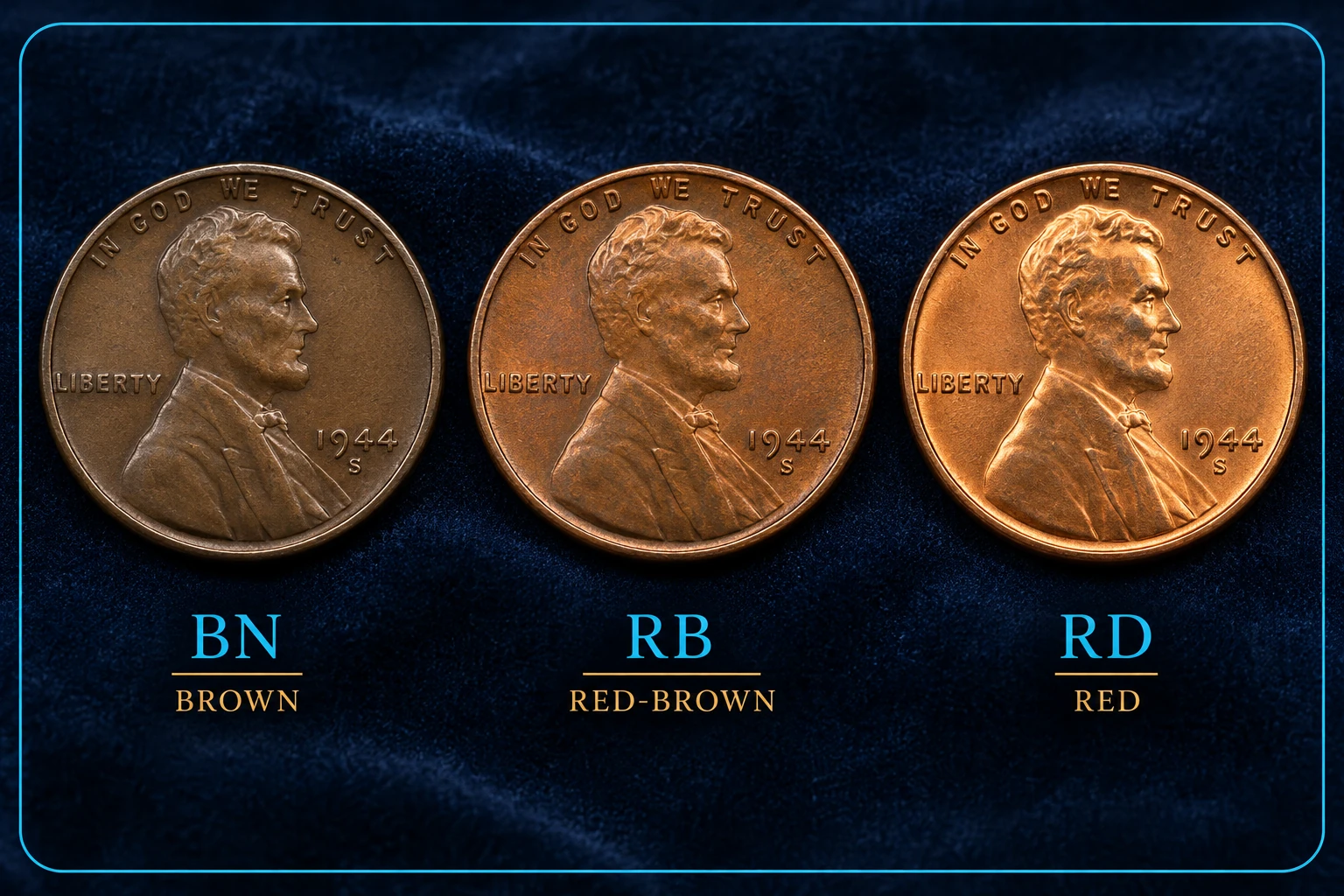
BN, RB and RD are separate from numerical grade.
BN means Brown, RB means Red-Brown and RD means Red. The designation describes original copper color, while the numerical grade describes wear and preservation. Original Red color can increase collector demand, particularly at high Mint State grades. A bright coin is not automatically RD: cleaning, polishing and recoloring can remove the original surface or create an artificial appearance.
What Makes a 1944-S Wheat Penny Valuable?
Grade, original BN, RB or RD color, original surface, strike quality, eye appeal, a verified variety, a legitimate mint error and third-party certification all influence value. A sharply struck original-red coin with clean fields can bring stronger demand than a brown coin with the same date and grade. Certification helps buyers compare the exact coin rather than a photograph or a seller's description.
Record the issue first, then describe wear and color without cleaning it. Compare only with a 1944-S carrying the same grade, color and attribution. Do not call machine doubling, die deterioration or damage a doubled die without an authoritative variety reference.
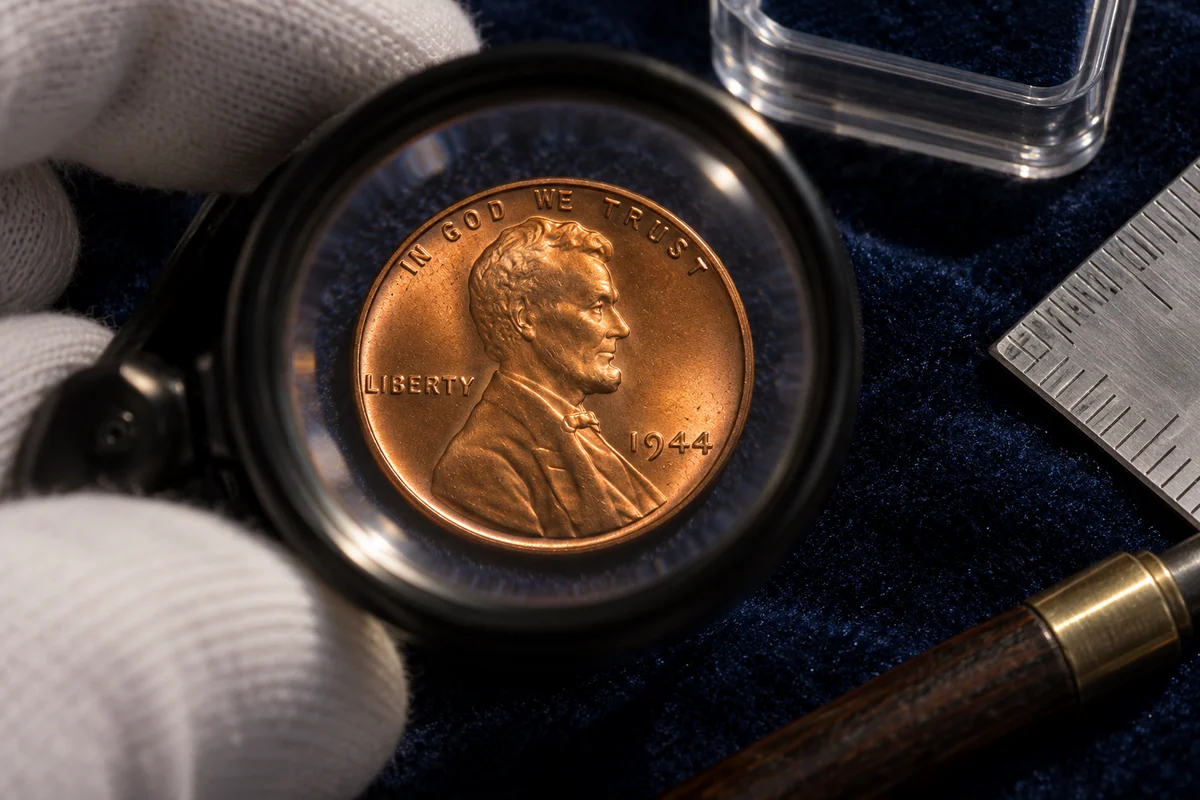
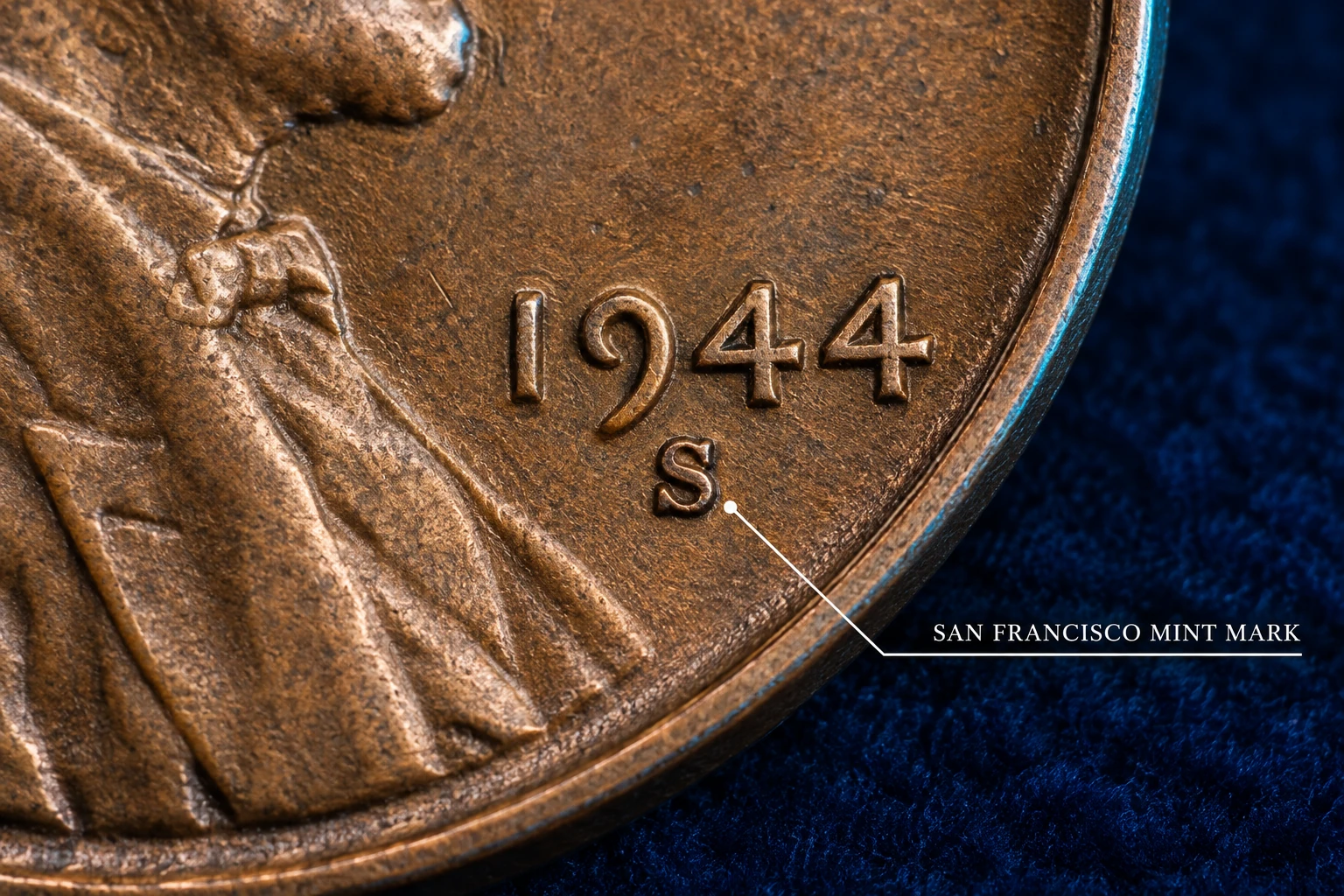
Where Is the S Mint Mark on a 1944 Wheat Penny?
The S mint mark appears below the date and identifies a cent struck at the San Francisco Mint. Compare the complete letter with a certified reference. A weak or unclear mark can result from strike weakness, die fill or wear; an apparent second letter needs documented diagnostics before it is called a variety.
How Many 1944-S Wheat Pennies Were Made?
282,760,000 regular bronze cents.
San Francisco struck 282,760,000 1944-S Wheat Pennies. That is the original mintage, not a surviving population. Many coins were circulated, lost or damaged, while high-grade original-red examples are a much smaller subset. The figure also does not represent the rare steel off-metal error.
Is a 1944-S Wheat Penny Made of Copper?
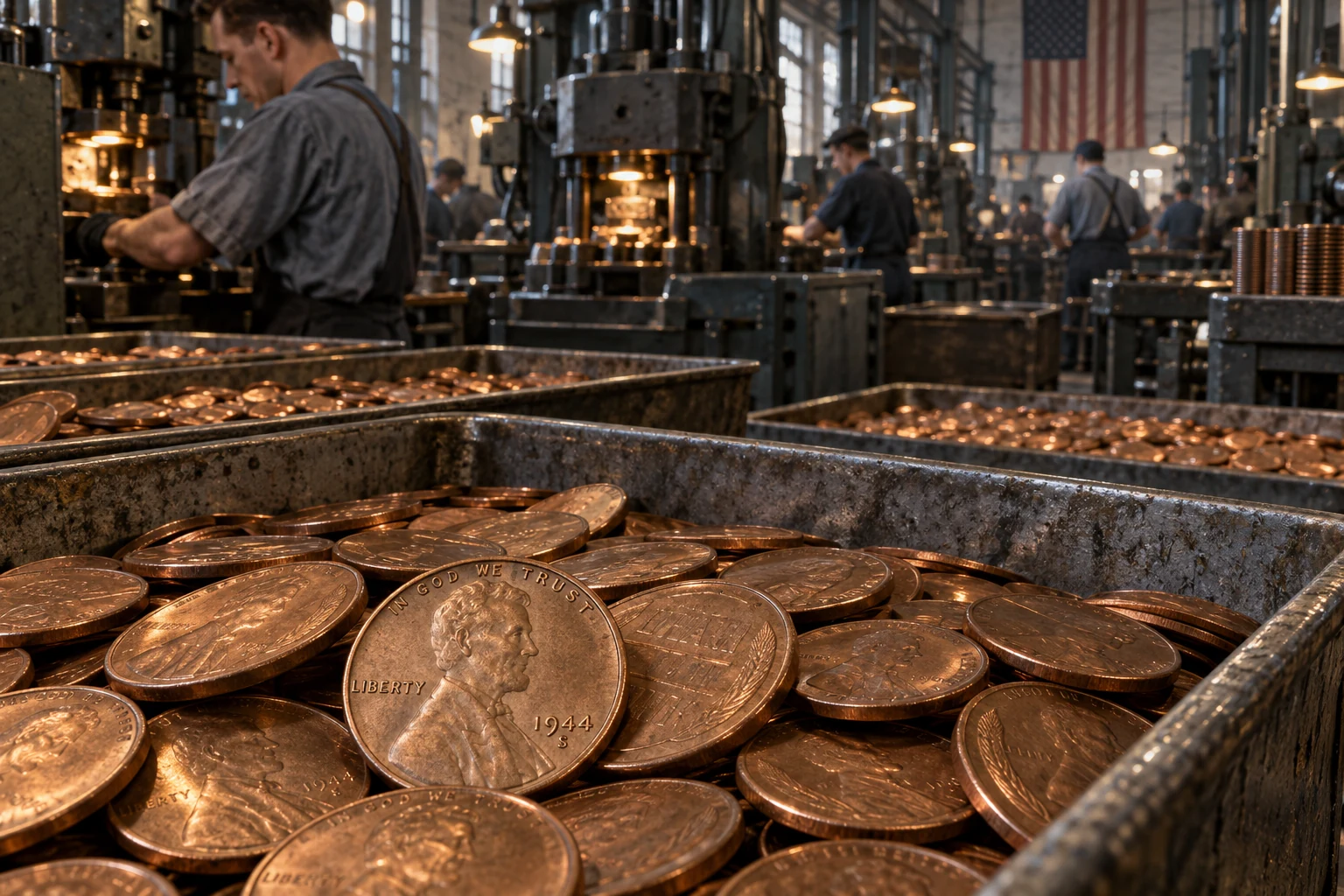
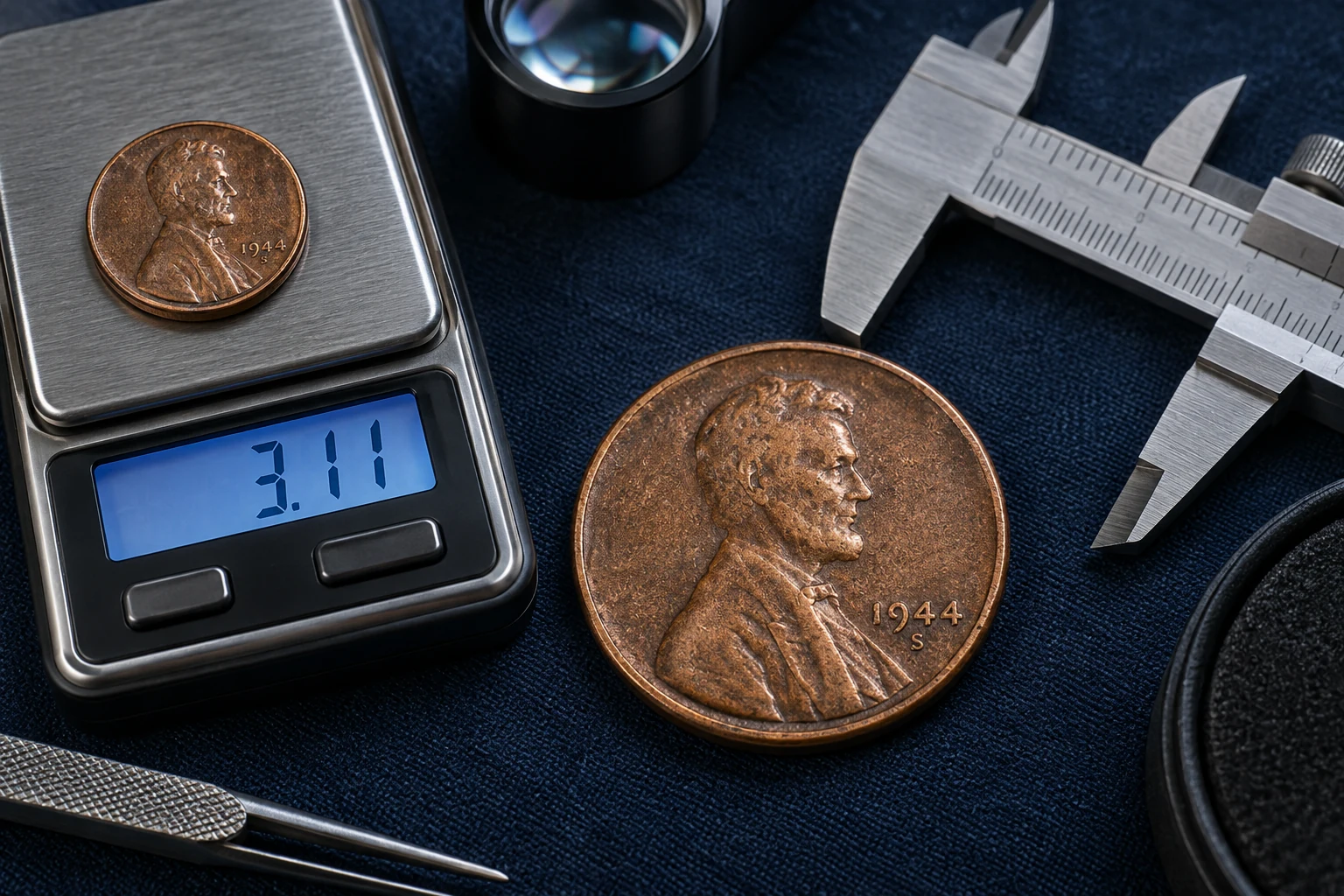
Yes. A normal 1944-S Wheat Penny is a copper-based bronze cent. It contains 95% copper and 5% tin and zinc, weighs about 3.11 g, measures about 19 mm and is nonmagnetic. Copper is normal for 1944-S; steel was the regular composition in 1943.
1944-S Wheat Penny Errors and Varieties
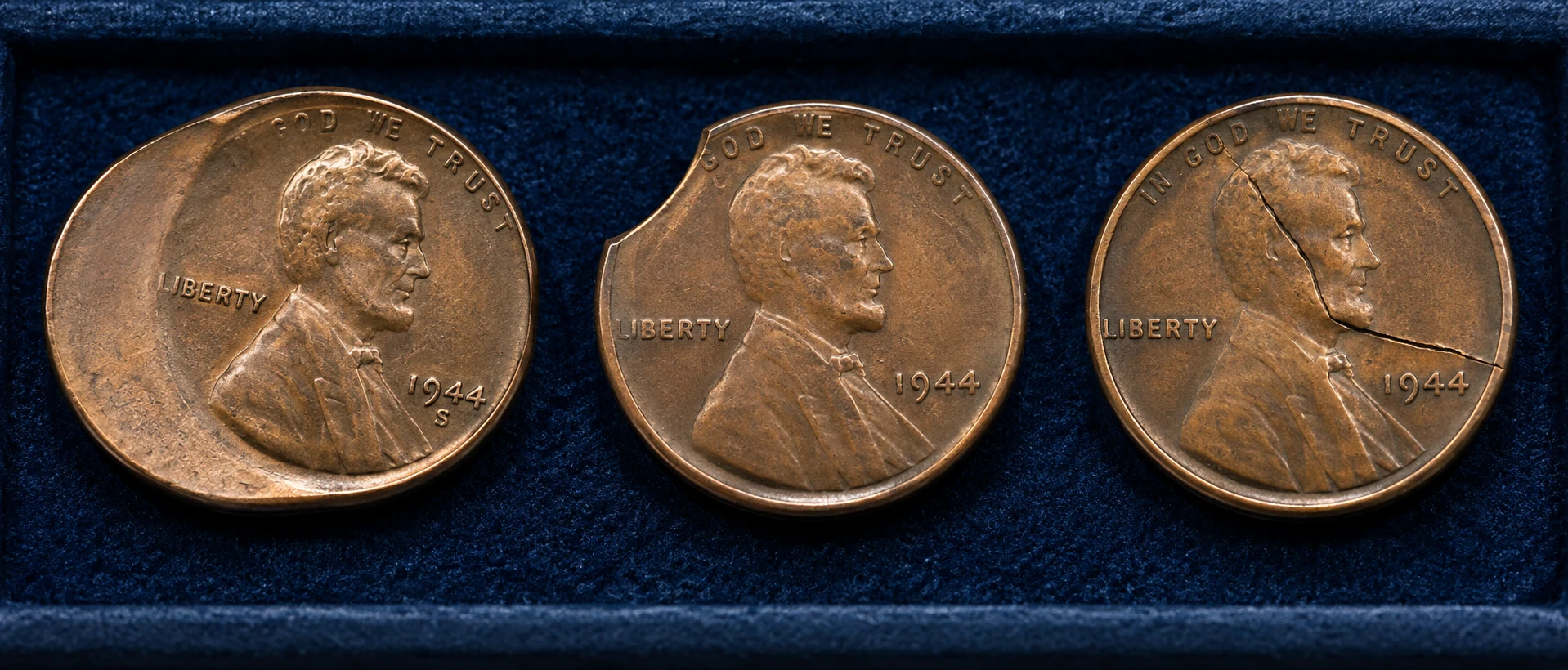
Use recognized attributions only.
Possible mint-created
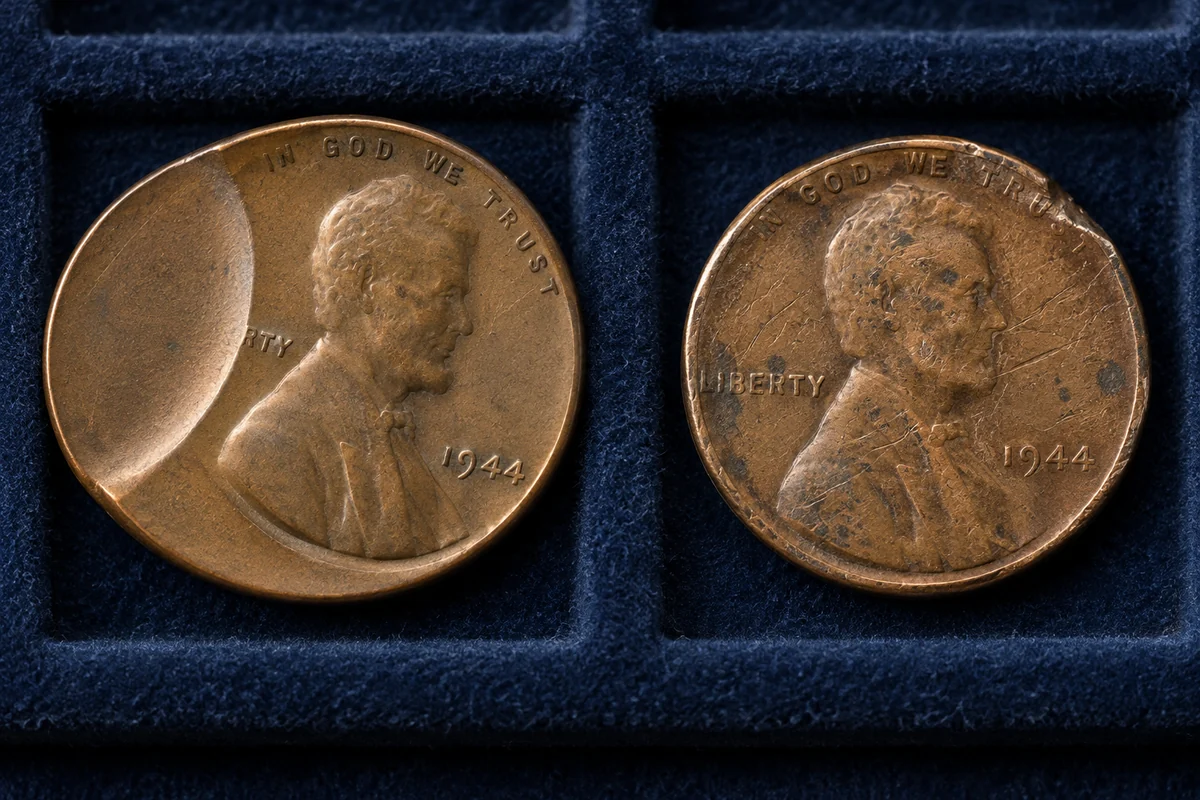
- Off-center strike
- Clipped planchet
- Die crack
- Wrong planchet or steel off-metal cent
- Documented variety attribution
Usually post-mint
- Scratches and dents
- Corrosion, plating or discoloration
- Cleaning and polishing
- Machine doubling without recognized attribution
Mint Error or Post-Mint Damage?
A genuine mint error changes the planchet or strike during production. Off-center strikes, clips, die cracks, verified die varieties and wrong-planchet pieces can be legitimate. Scratches, dents, corrosion, cleaning, polishing, plating and chemical discoloration happen after the coin leaves the Mint. Compare photographs with recognized references before assigning a rare attribution.
1944-S Steel Wheat Penny
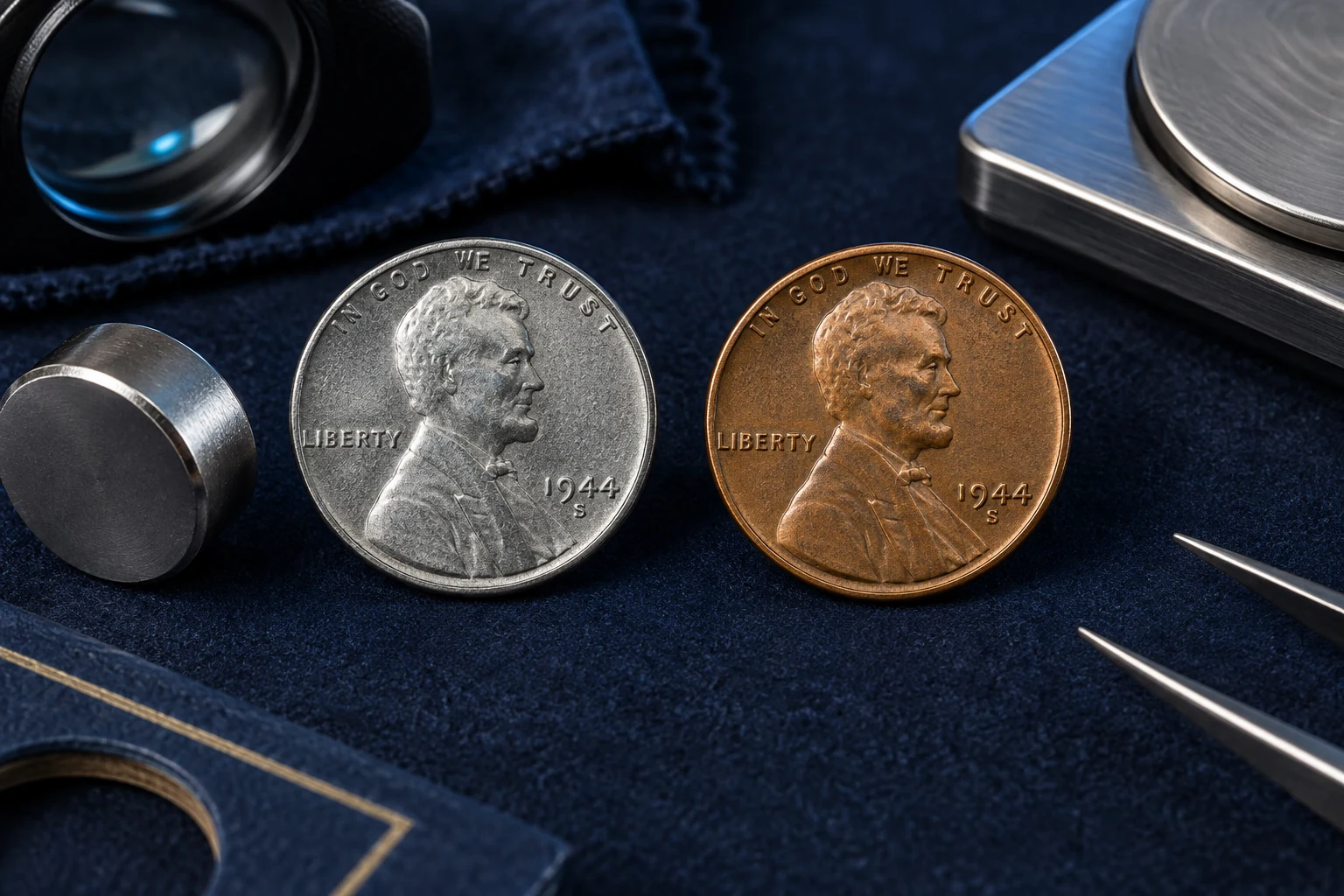
A normal 1944-S is bronze, not steel.
The normal 1944-S is a 3.11 g nonmagnetic bronze cent. A genuine 1944-S steel cent is an extremely rare wrong-planchet error, near 2.70 g and magnetic. The two screening clues justify specialist review but do not authenticate a coin. PCGS lists two known examples; do not apply a steel auction result to an ordinary bronze S cent.
See the 1944 Steel Penny guide for rarity, authentication and verified auction information.
How to Identify a 1944-S Wheat Penny
Use several clues together.
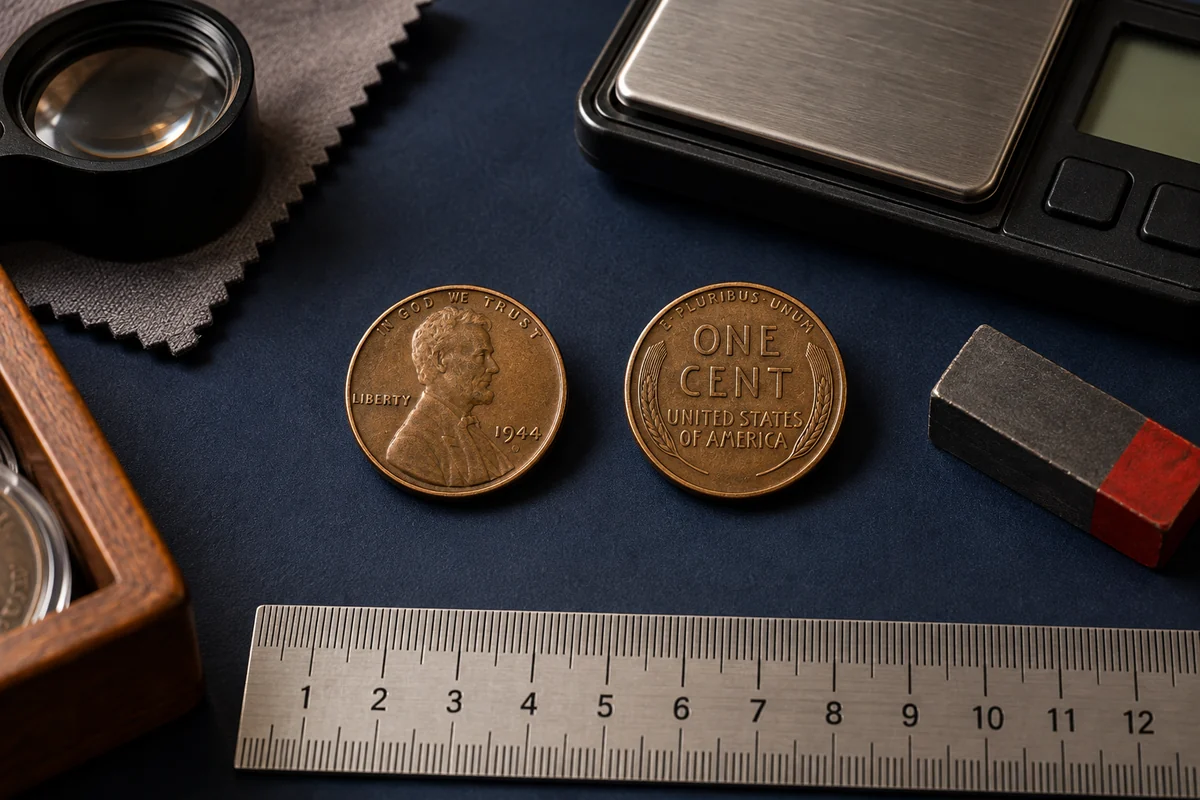
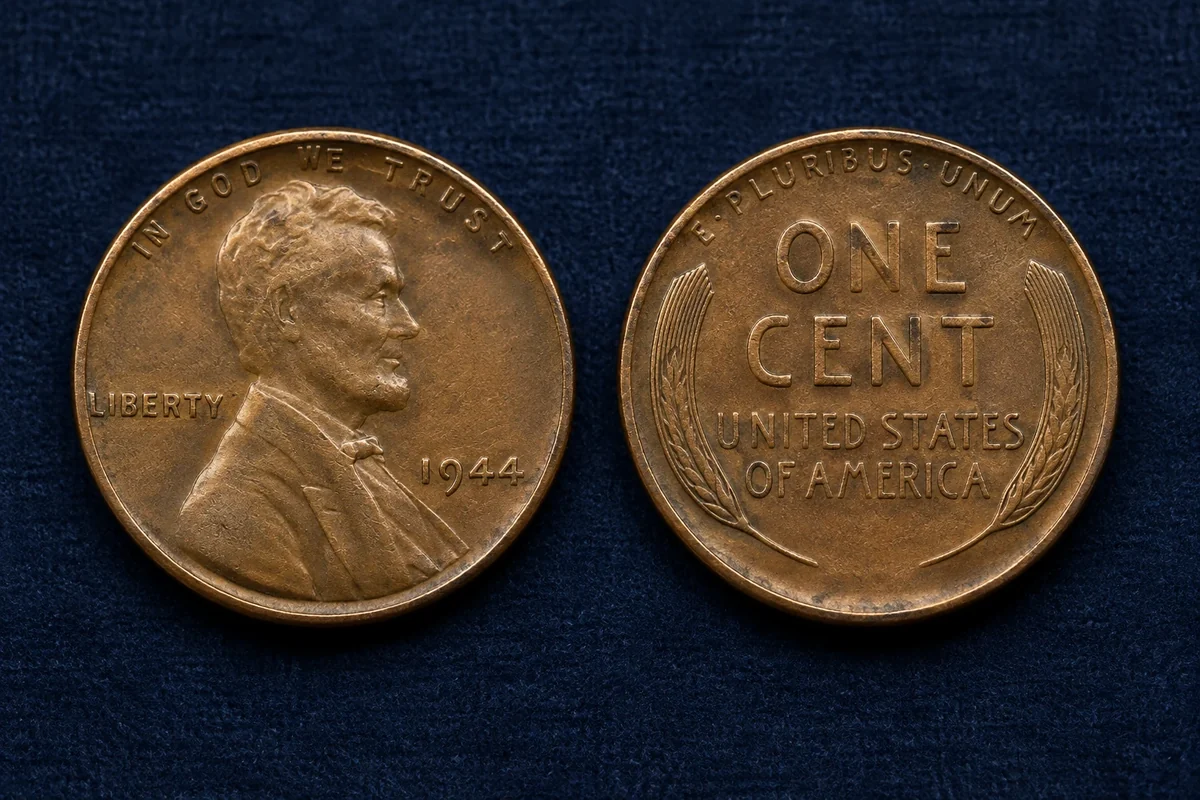
“Wheat back” is an informal name for the Lincoln Wheat Cent reverse with two wheat ears. Confirm the date, S mint mark, bronze weight and nonmagnetic response together.
1944-S Wheat Penny Specifications
1944-S Wheat Penny Auction Records
Regular bronze issue only.
| Grade | Color | Certification | Auction house | Date | Realized price |
|---|---|---|---|---|---|
| MS67+ | RD | PCGS | Heritage Auctions | Sep 7, 2016 | $3,290 |
| Representative sales | BN / RB / RD | PCGS or NGC | Named auction lot | Lot-specific | Source record required |
Auction records represent individual coins and should not be treated as the value of every 1944-S Wheat Penny at that grade. High-grade RD results are a separate market.
Don't Clean a 1944-S Wheat Penny
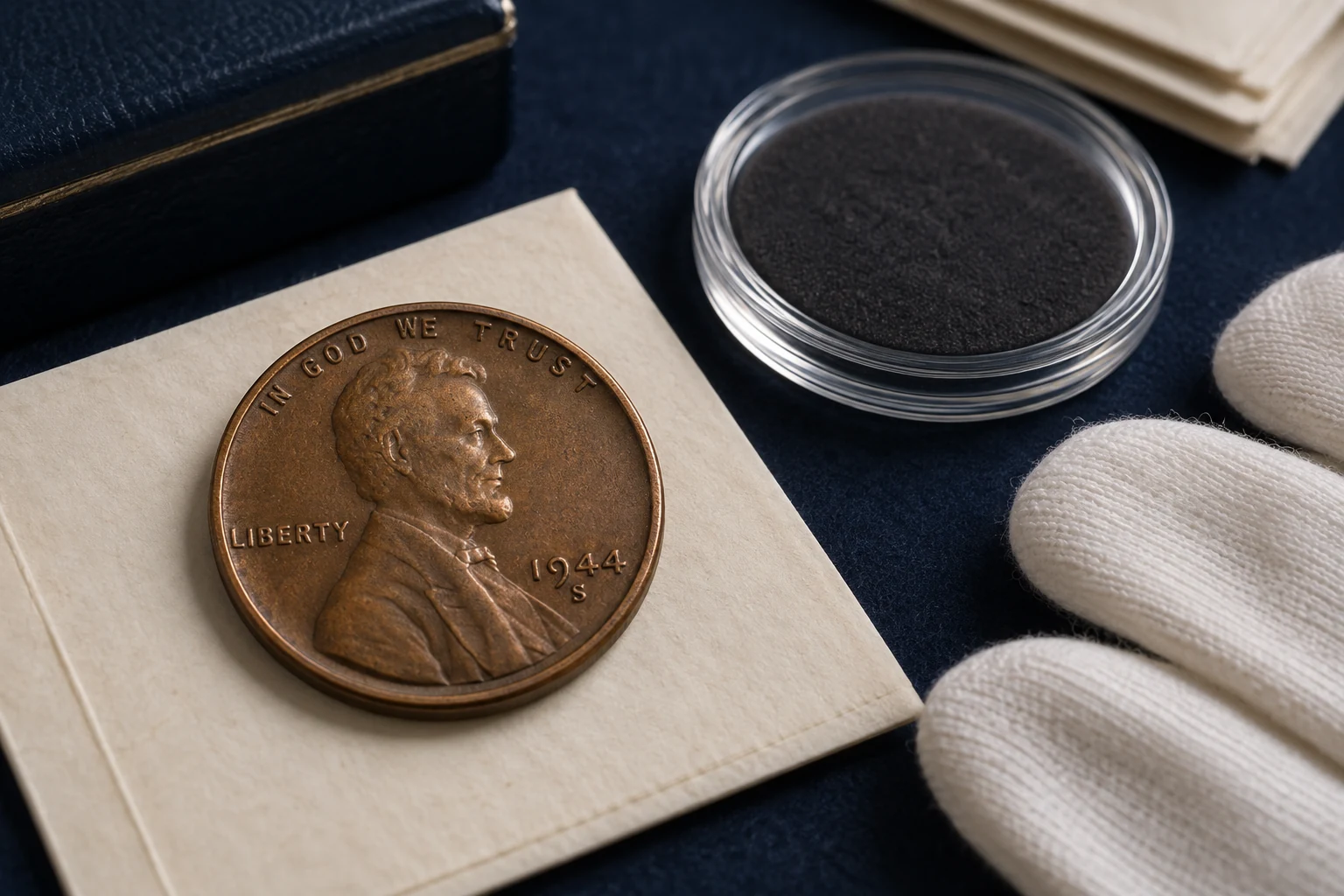
Cleaning can remove original surface, create hairlines, alter color and reduce collector value. Do not polish, scrub or chemically treat the coin. Handle it by the edge and preserve the evidence for examination.
1944-S Wheat Penny FAQ
How much is a 1944-S Wheat Penny worth?
Most circulated bronze examples are modestly priced. Mint State value depends on numerical grade, BN, RB or RD color, surface quality and certification.
Where is the S mint mark on a 1944-S Wheat Penny?
The S appears directly below the date and identifies the San Francisco Mint. Compare a weak or unclear mark with a certified reference before calling a variety.
How many 1944-S Wheat Pennies were made?
San Francisco struck 282,760,000 regular bronze cents. Mintage is not the number surviving today.
Is a 1944-S Wheat Penny rare?
The regular bronze issue is common in circulated grades. High-grade original-red coins and the separate steel error are different markets.
What are the normal weight, composition and magnet response?
A normal coin is bronze with 95% copper and 5% tin and zinc, weighs about 3.11 g, measures about 19 mm and is nonmagnetic.
What makes a 1944-S Wheat Penny valuable?
Grade, original BN/RB/RD color, original surface, strike quality, eye appeal, recognized varieties, errors and certification all influence value.
What errors should I look for, and should I clean the coin?
Look for documented off-center strikes, clips, die cracks or wrong-planchet errors. Do not clean, polish or chemically treat the coin; apparent doubling, plating and discoloration may be damage.
Related Lincoln Cents
1944 Wheat Penny
Compare the date, metal, mint mark and identification clues.
View coin →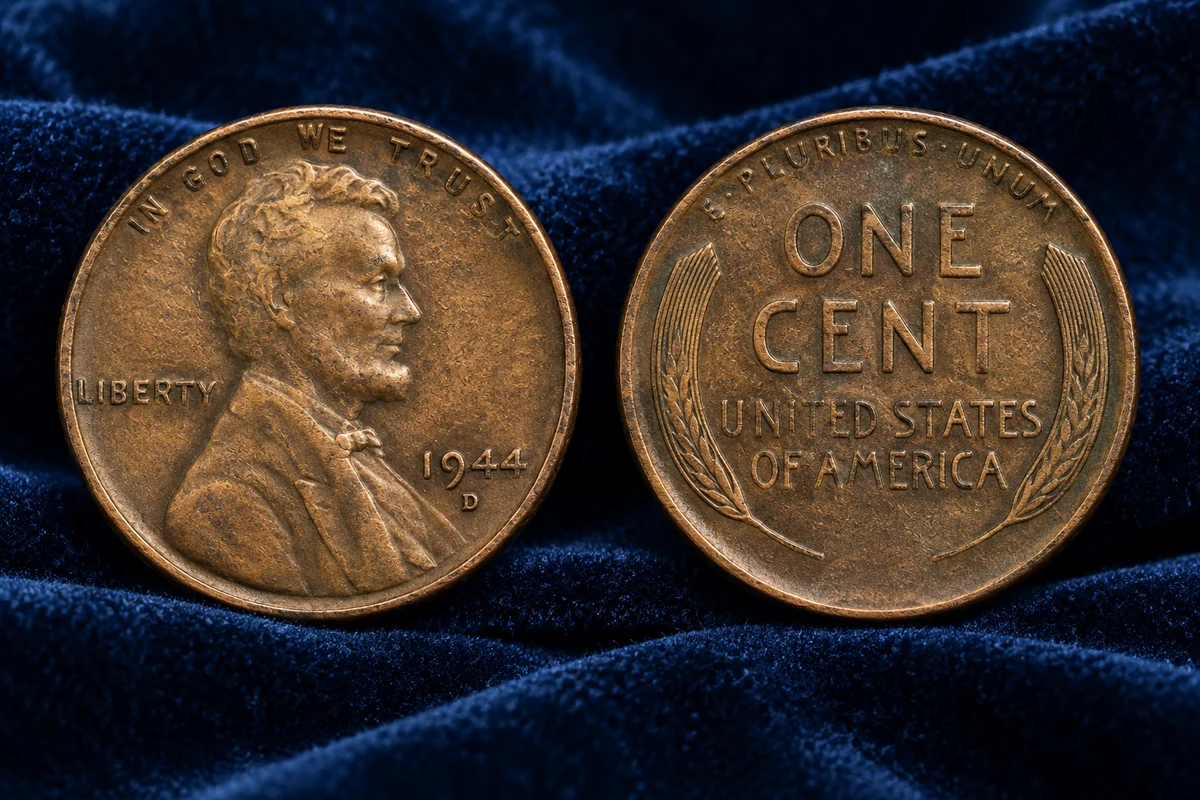
1944-D Wheat Penny
Compare the date, metal, mint mark and identification clues.
View coin →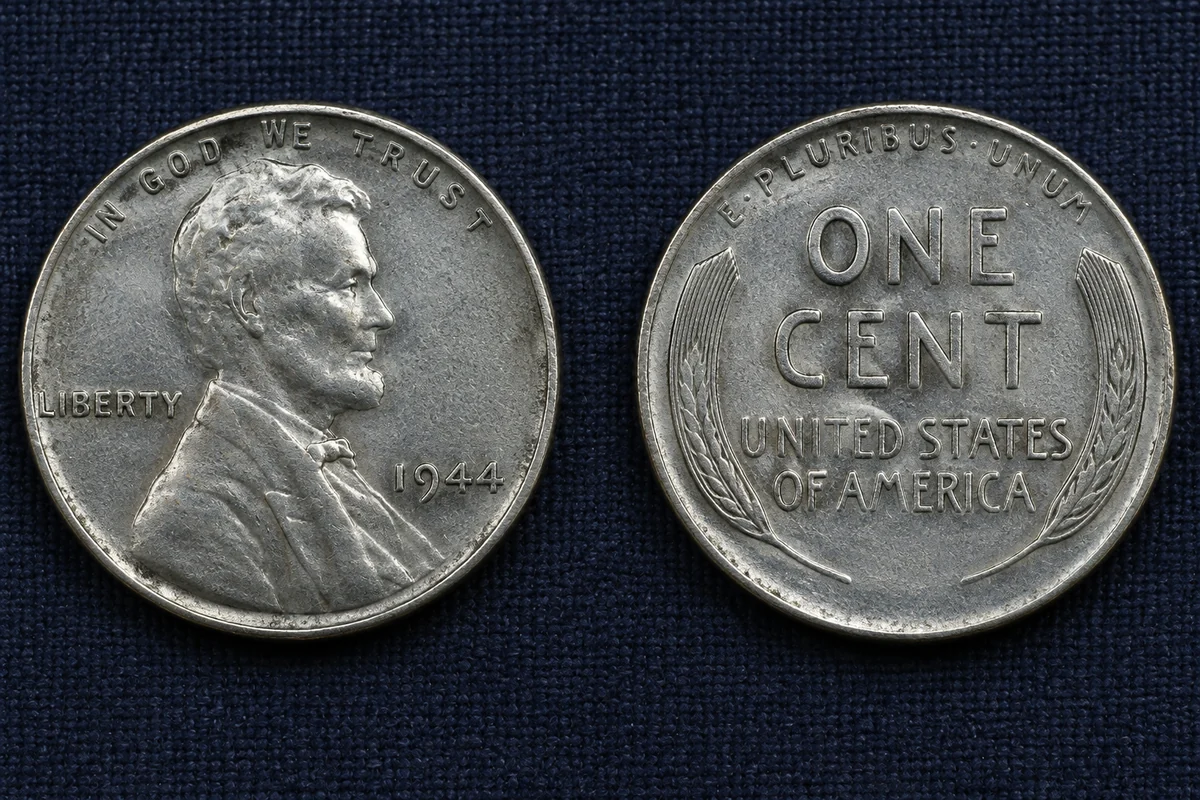
1944 Steel Penny
Compare the date, metal, mint mark and identification clues.
View coin →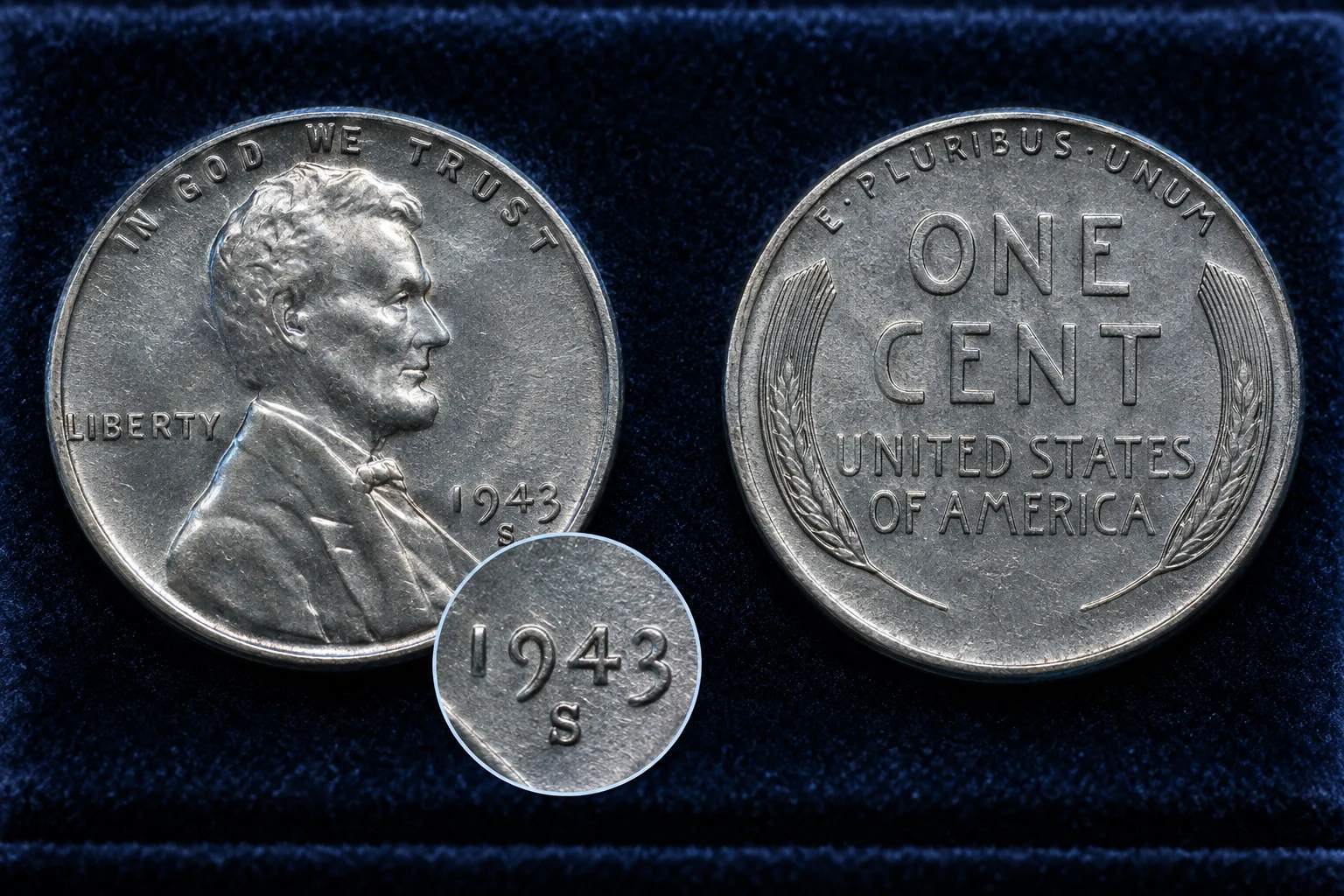
1943-S Steel Penny
Compare the date, metal, mint mark and identification clues.
View coin →
1943 Bronze Penny
Compare the date, metal, mint mark and identification clues.
View coin →