
How to Identify a Coin by Photo
Identifying a coin by photo is often the fastest way to begin researching an unknown coin. A good image can show the country, date, denomination, portrait, symbols, lettering, mint mark, metal color, and general condition. Those details help narrow a broad mystery into a smaller group of possible matches.
Coins Identification is built for that first research step. Upload a clear photo or take one with your camera, then review the possible result with an estimated market range. The tool is useful for beginners, collectors, travelers, estate finds, inherited jars of coins, and anyone who wants to understand what they are holding before spending hours searching manually.
The important thing is to use photo identification honestly. It can be very helpful, but it is not magic and it is not a guaranteed appraisal. The more visible details you provide, the stronger the possible match becomes.
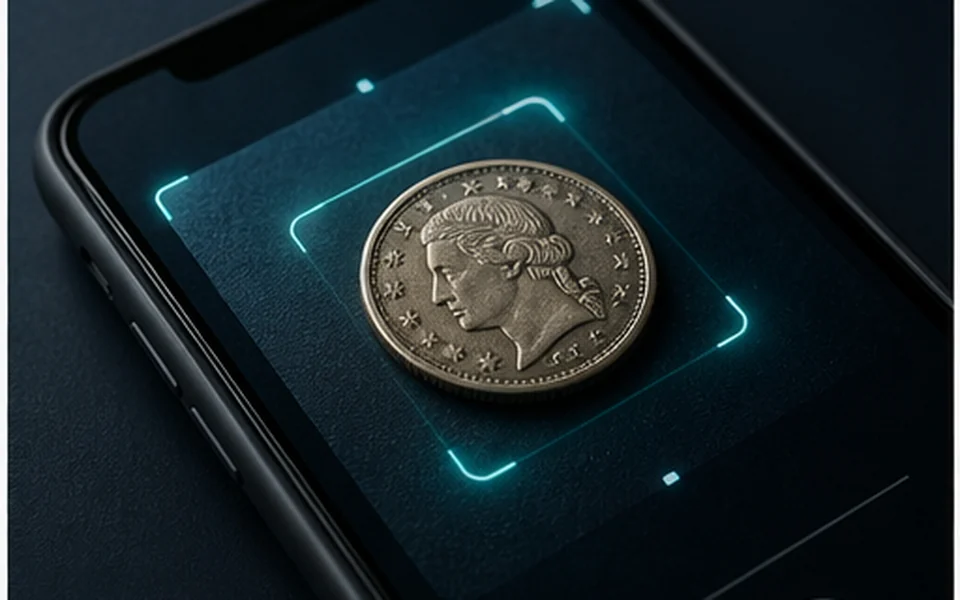
A reliable first identification combines clear photos of both sides with readable text, date, denomination, edge details, and a match in a reputable catalog. A scan is a research lead, not proof of identity or value.
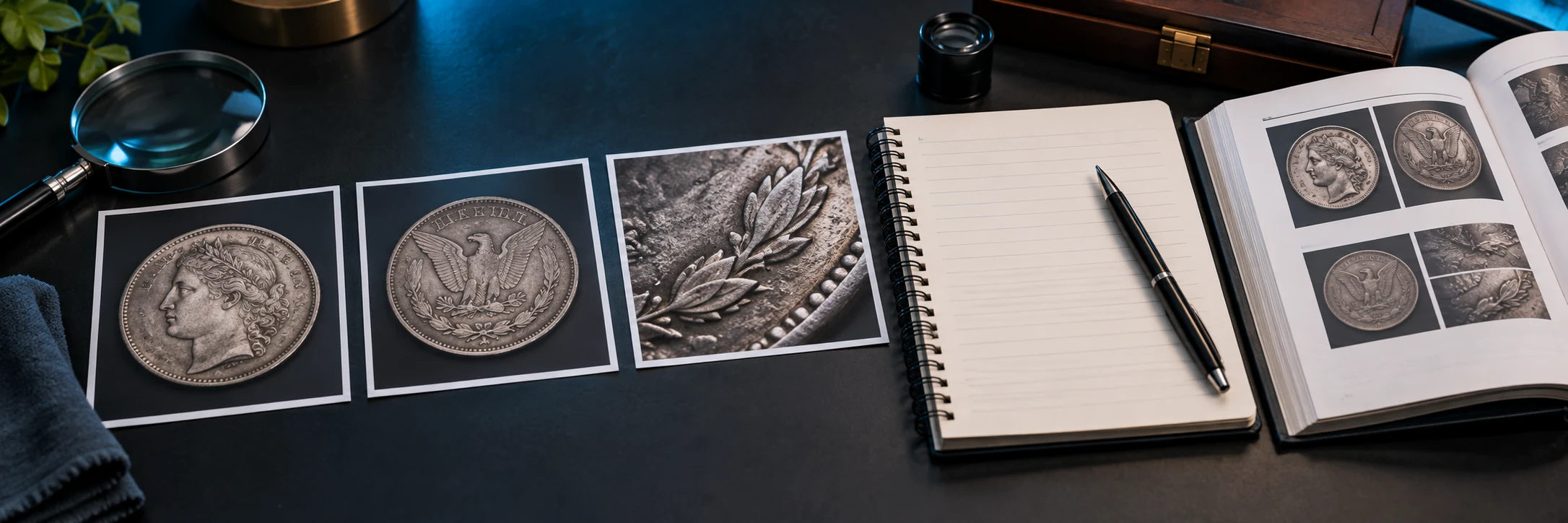
Read a coin photo in three passes
Use the same order every time: capture the object, read its clues, then compare the complete design with a trusted reference.
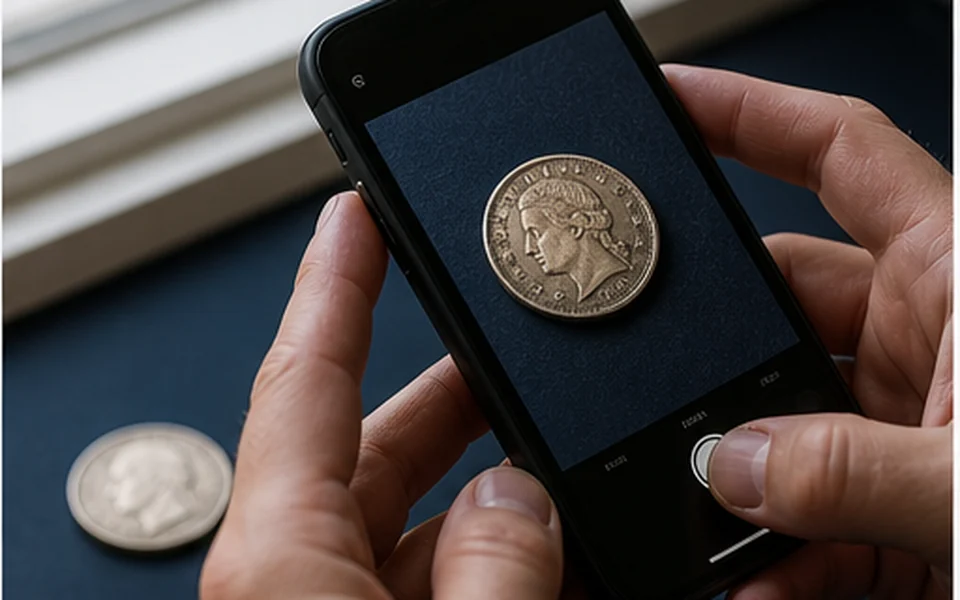
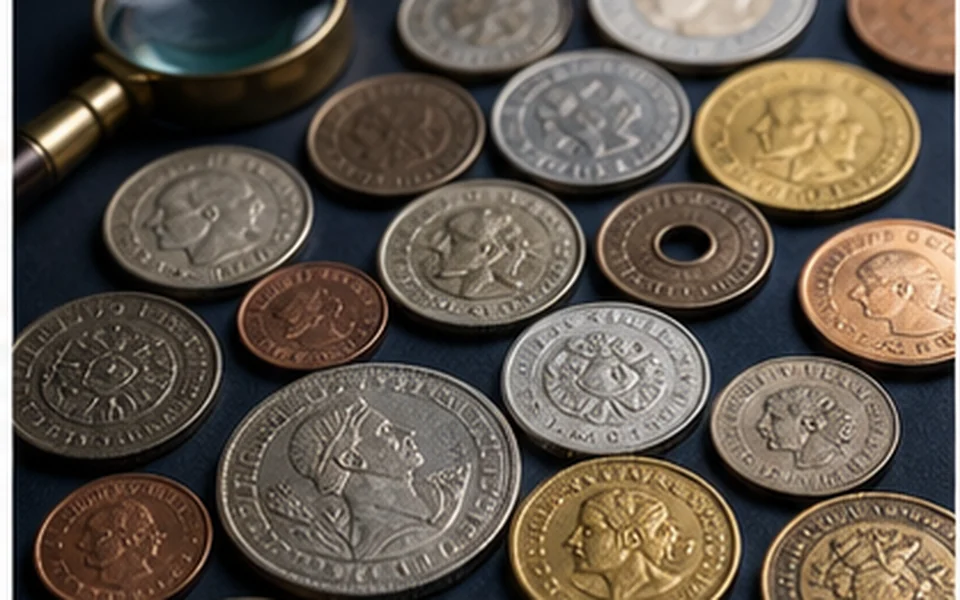
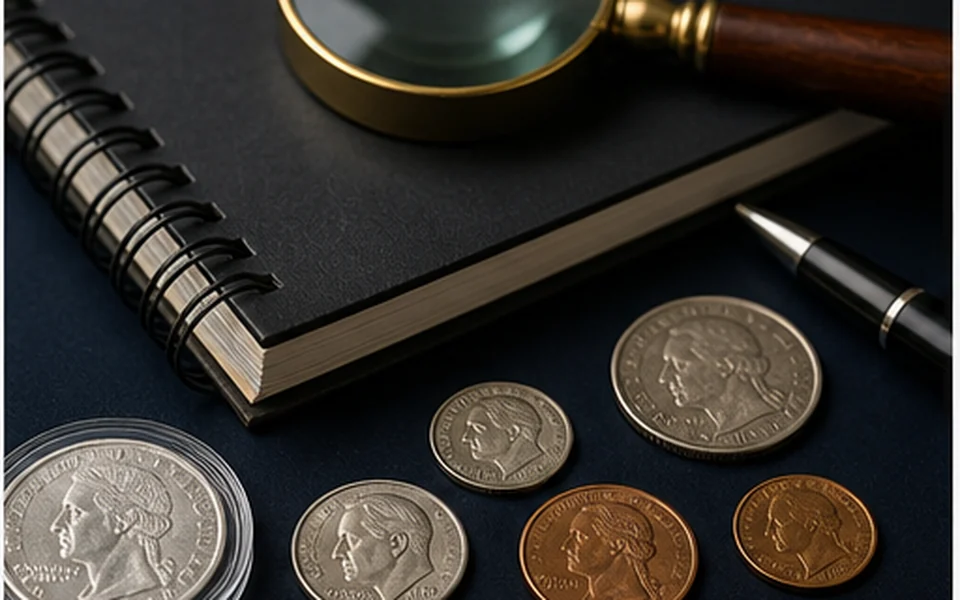
These images illustrate the comparison process. They are not live scan results or proof of a coin’s value.
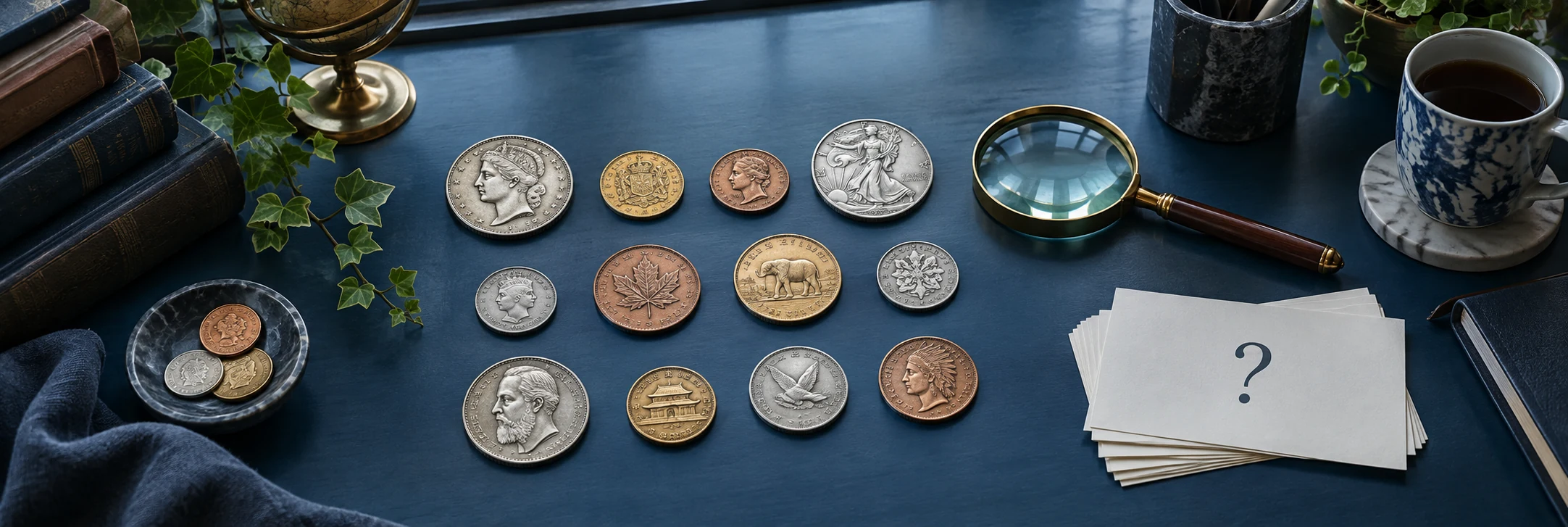
Different coins reveal different clues
Use these visual examples to decide which details deserve a closer photo before you trust a possible match.
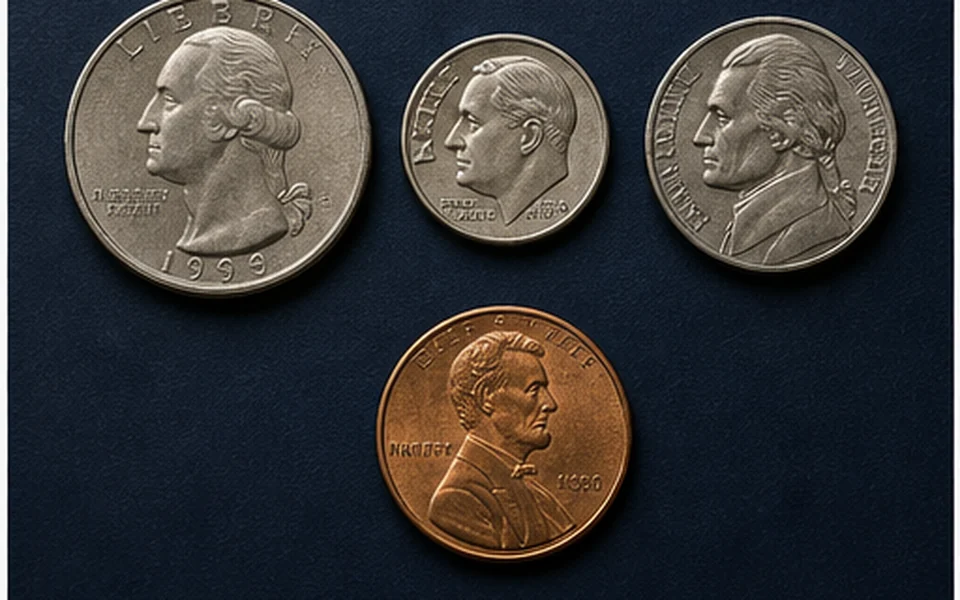
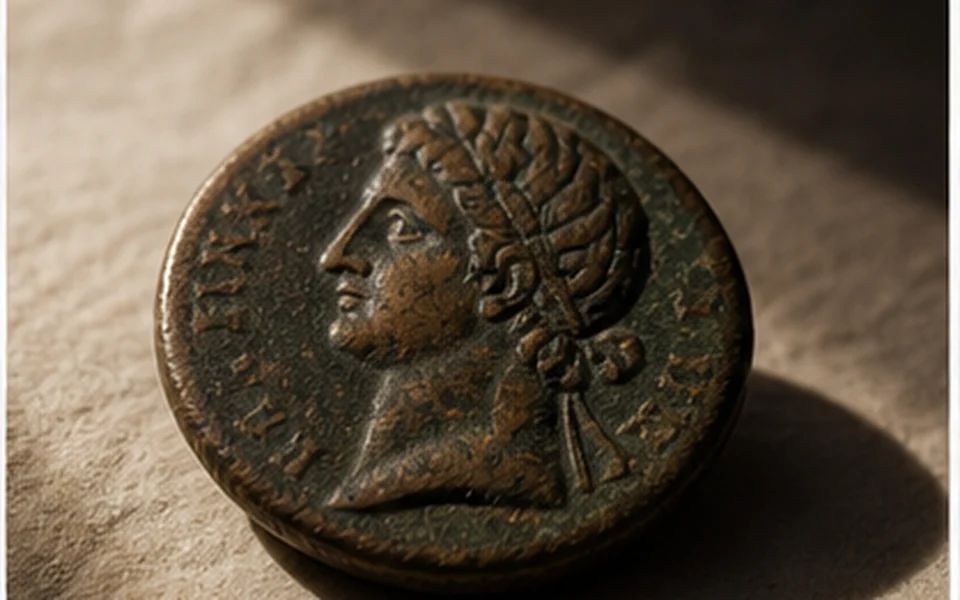
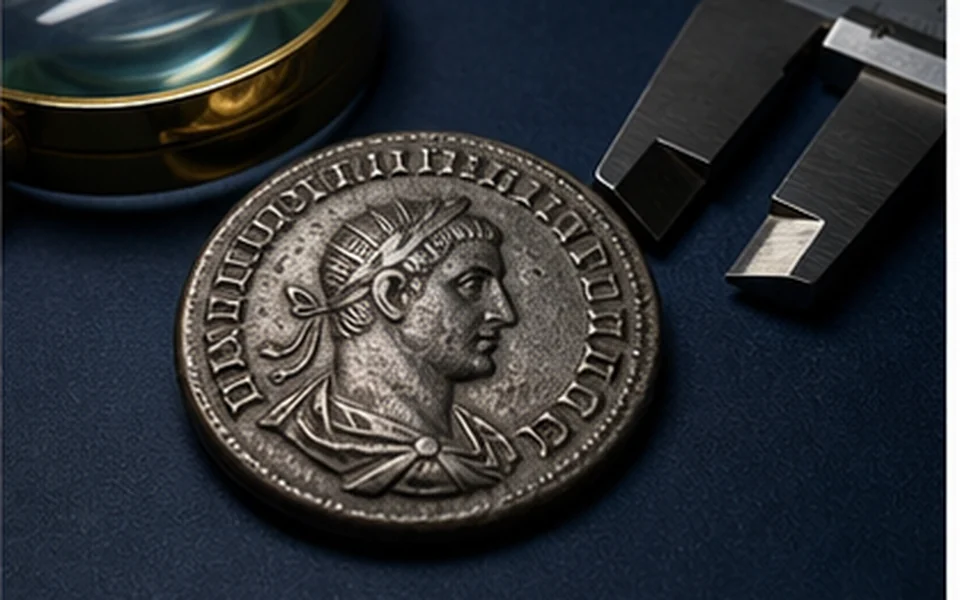
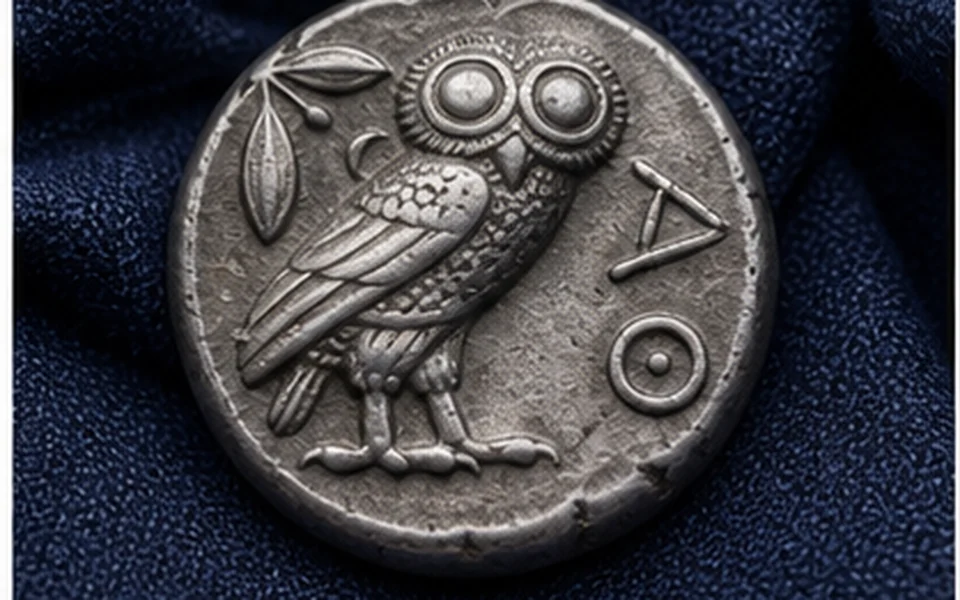
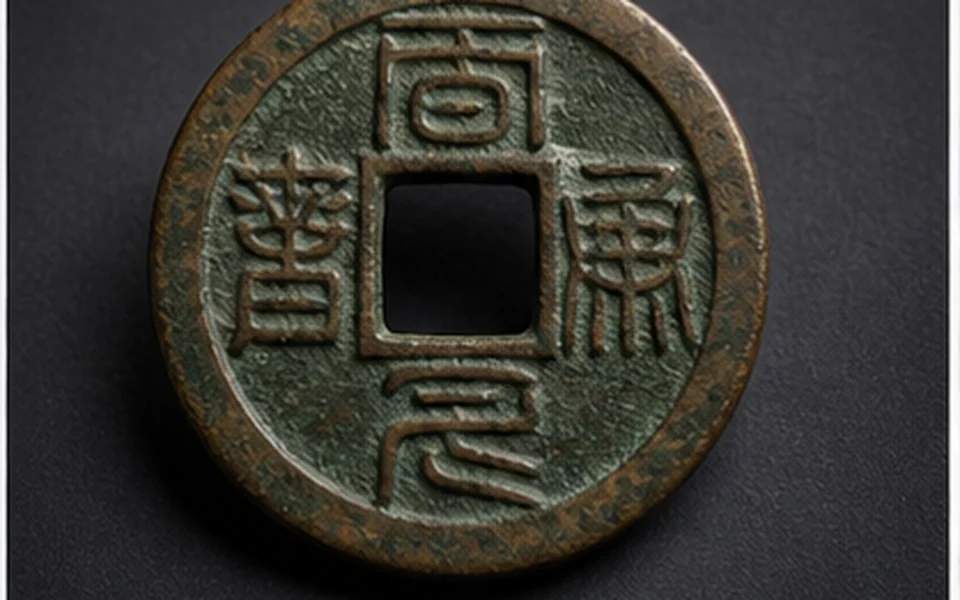
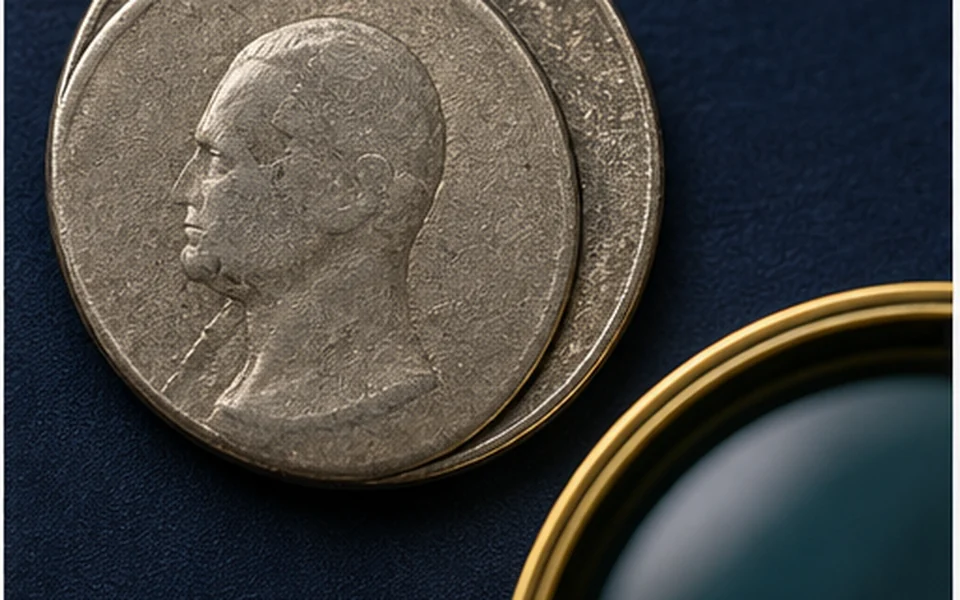
The gallery is an educational comparison, not a set of authenticated specimens or price claims.
Worked example: a 1976 U.S. quarter
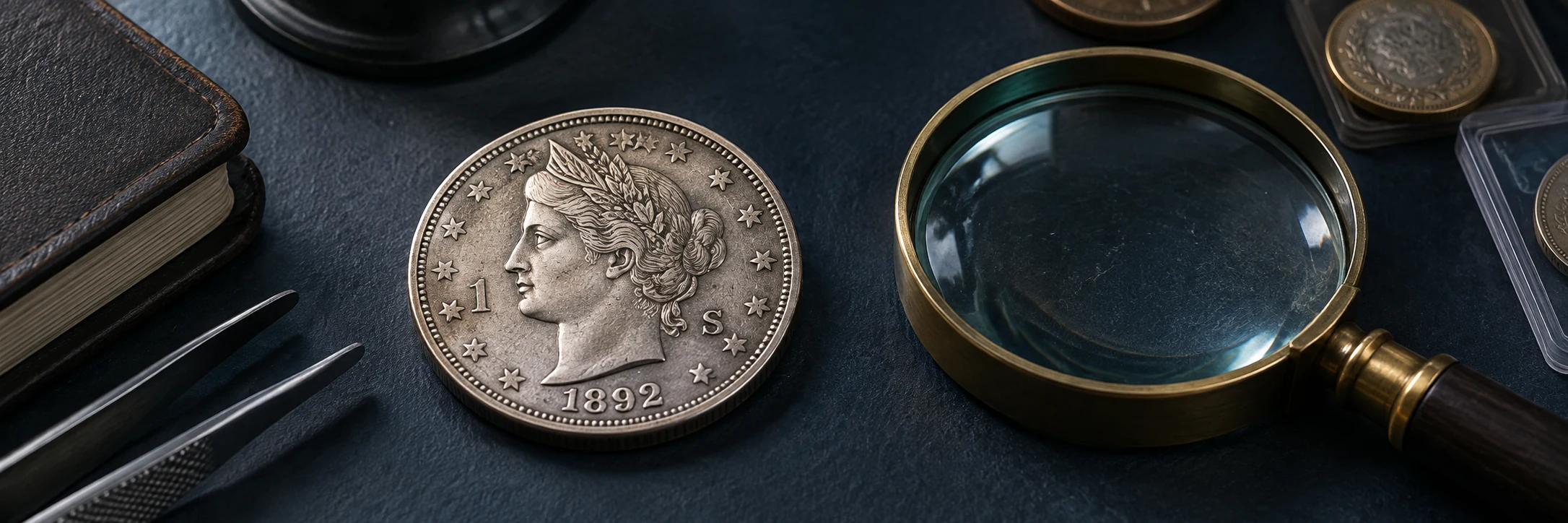
Start with the date and denomination, then photograph both sides. Check whether the reverse design, lettering, rim, and mint mark agree with the catalog entry before looking at value. The example shows the order of checks; it does not promise a particular price.
Start with the obvious clues
Begin by looking for readable words, numbers, and symbols. A country name, even a partial one, is often the strongest clue. Dates can be written in standard Western numerals, Roman numerals, Arabic numerals, Chinese characters, or local calendars. Denominations may appear as cents, pence, euro, francs, pesos, kopiyok, yen, cash, dinars, or older currency terms.
A portrait can also help. Modern coins may show monarchs, presidents, national heroes, animals, buildings, shields, or coats of arms. Ancient coins may show rulers, gods, city symbols, or mythological scenes. If you can see a mint mark, small letter, privy mark, or designer initials, keep that detail because it may separate common coins from scarcer varieties.
Use both sides whenever possible
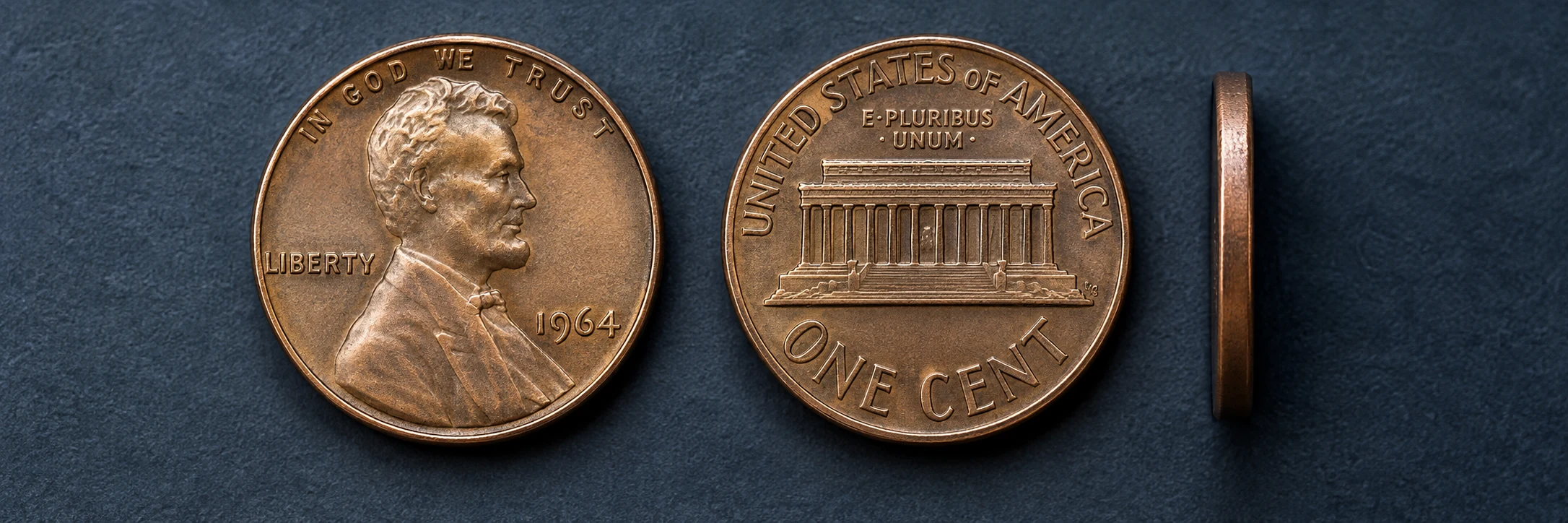
Many users upload only the side that looks attractive, but coin identification usually needs both sides. One side may show the portrait while the other gives the denomination, date, coat of arms, mint mark, or commemorative theme. A single side can create false matches, especially when different coins use similar portraits.
If you only have one side, the tool can still suggest possibilities, but the confidence should be lower. For better research, photograph the obverse and reverse separately, keep the coin centered, and make sure the full rim is visible. The edge may also matter for some coins because reeded, plain, lettered, or decorated edges can confirm the type.
| Photo detail | Why it matters |
|---|---|
| Obverse | Often shows portrait, ruler, country, or main national symbol. |
| Reverse | Often shows denomination, date, mint mark, commemorative design, or value. |
| Edge | Can reveal reeding, lettering, security marks, or a special pattern. |
| Full rim | Helps compare shape, centering, wear, clipping, and possible damage. |
Understand what the AI is checking
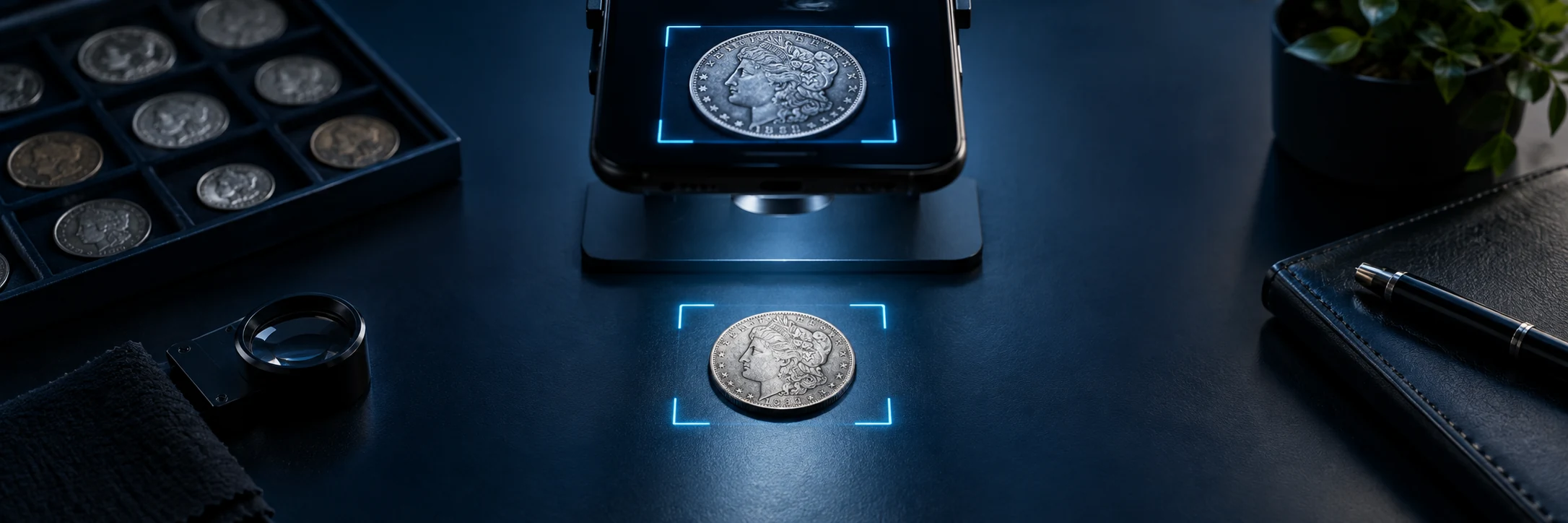
A coin picture identifier checks visible evidence in the image. It may read inscriptions, compare shapes, detect borders, identify portraits, recognize dates, and use visual patterns to propose a likely match. If OCR text is available, readable letters can improve the result. If the coin is blurry or reflective, the system has less evidence.
The result should be read as a possible match. A good result gives you a direction: country, approximate year, denomination, coin type, material appearance, rarity category, similar examples, and a possible value range. You should still compare the result with real references and sold listings before making a buying or selling decision.
Check the result like a collector
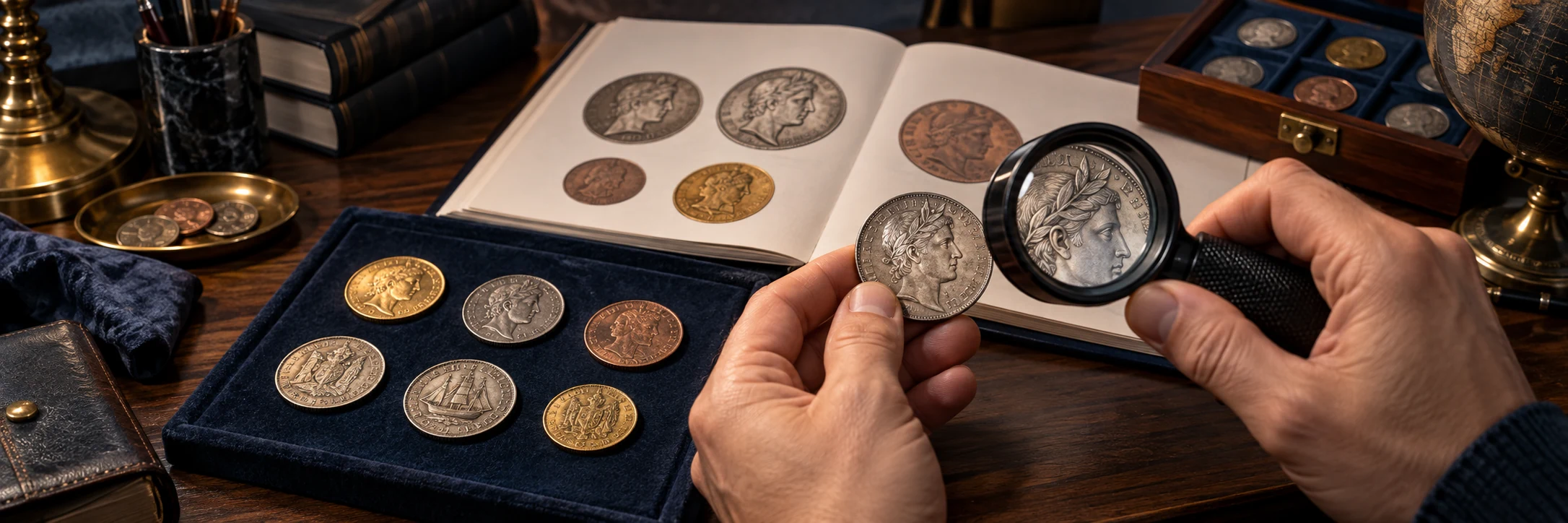
After the scan, compare the result to the physical coin. Does the date match? Does the portrait face the same direction? Are the letters in the same place? Is the denomination correct? Is the reverse design identical or only similar? Small differences can matter, especially on commemoratives, mint marks, error coins, and ancient coins.
If the match is close but not exact, use the generated search query, image search, active listings, and sold examples. Look for multiple references before trusting a value. A single asking price online does not prove market value because sellers can ask any price they want.
A simple workflow for unknown coins
If you have a completely unknown coin, work in a calm order. First, photograph both sides. Second, write down anything you can read, even if it is only a partial word or one number. Third, scan the coin and compare the result against the physical object. Fourth, use the suggested search terms to check similar examples.
This workflow prevents a common mistake: jumping straight to value before confirming the coin. A price range is only useful after the identification is reasonably close. When a coin has no readable date, no visible denomination, or a worn reverse, keep the result broad and continue comparing details.
FAQ
Can I identify a coin by photo for free?
Yes. You can upload a coin photo and use Coins Identification as a free coin identifier online. The result is a possible identification, not a guaranteed professional opinion.
What if my coin has no readable text?
Use the clearest possible photos of both sides. Symbols, portraits, shape, metal color, and size can still help narrow the search even when text is worn away.
Sources and further reading
Use these catalog and reference sites to compare the identification, specifications, and market context. They are reference points, not guarantees of a sale price.