
How to Estimate Coin Value
Most people who identify a coin want to know one thing next: what is it worth? A coin value identifier can help by giving a possible market range, but a real price depends on more than the name of the coin. Two coins with the same year and denomination can sell for very different amounts.
This guide explains the practical factors behind estimated coin value: condition, rarity, year, mint mark, metal, collector demand, errors, authenticity, and recent sold examples. It also explains why Coins Identification uses ranges rather than pretending every scan has one exact price.

Estimate value only after confirming the exact type and variety, then compare several completed sales for coins in similar condition. An asking price alone does not show what a coin sold for.
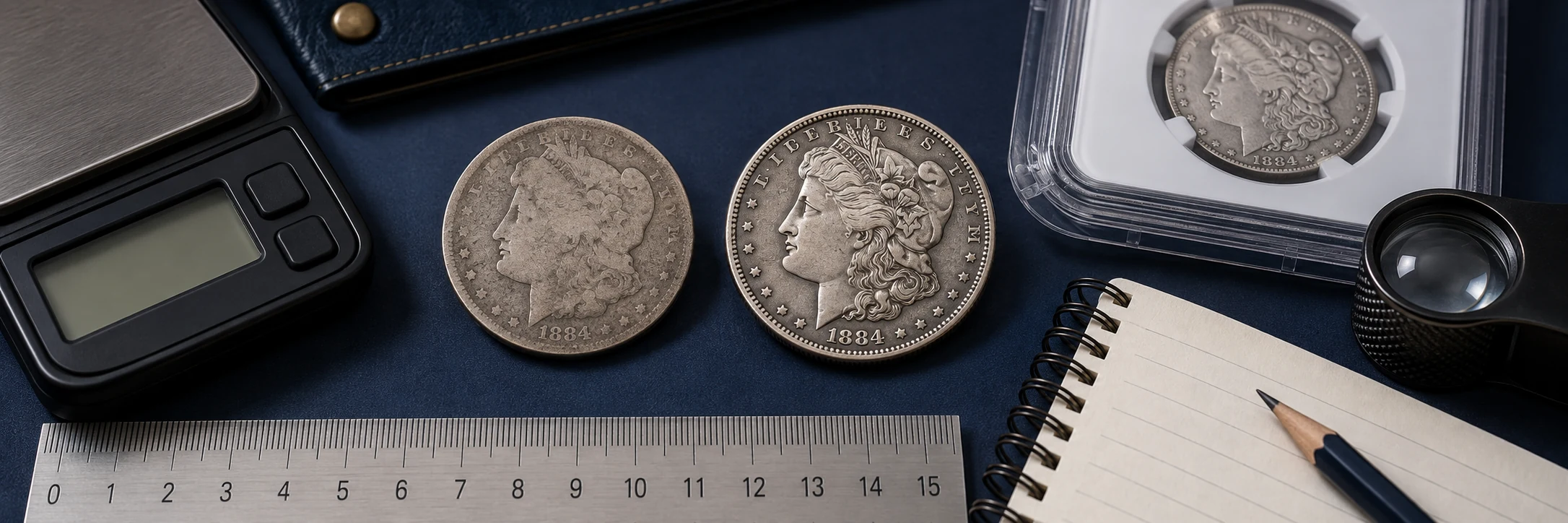
Worked example: two coins with the same design
Compare two examples with the same country, denomination, year, and mint mark. Record visible wear, scratches, cleaning marks, and certification status, then compare several completed sales with similar condition. The differences explain why one name can have more than one realistic range.
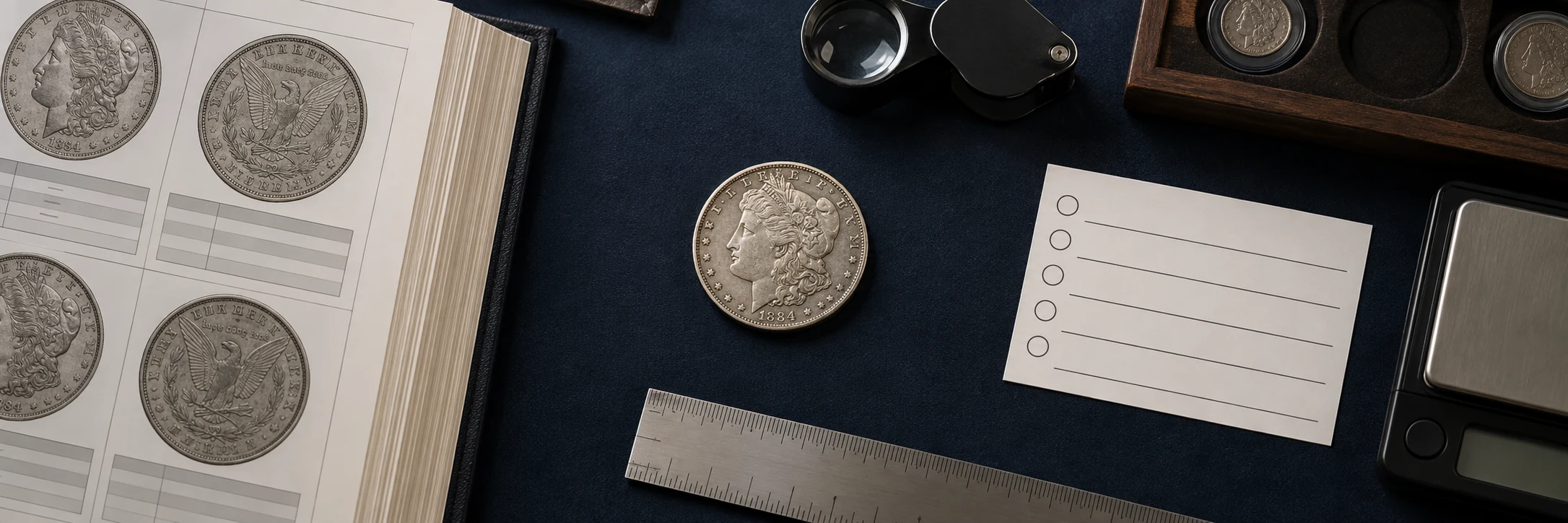
Value starts with correct identification
Before estimating value, you need a reliable identification. Country, denomination, year, mint mark, variety, and material all matter. A 2 euro commemorative coin, a normal 2 euro circulation coin, and a medal that looks like a coin can have very different markets. The same is true for cents, quarters, silver coins, Roman coins, and old foreign coins.
If the identification is uncertain, the value must be uncertain too. That is why a responsible coin identifier and values tool should show an approximate range and explain what still needs checking. A confident visual match is helpful, but condition and market evidence still decide the realistic selling price.
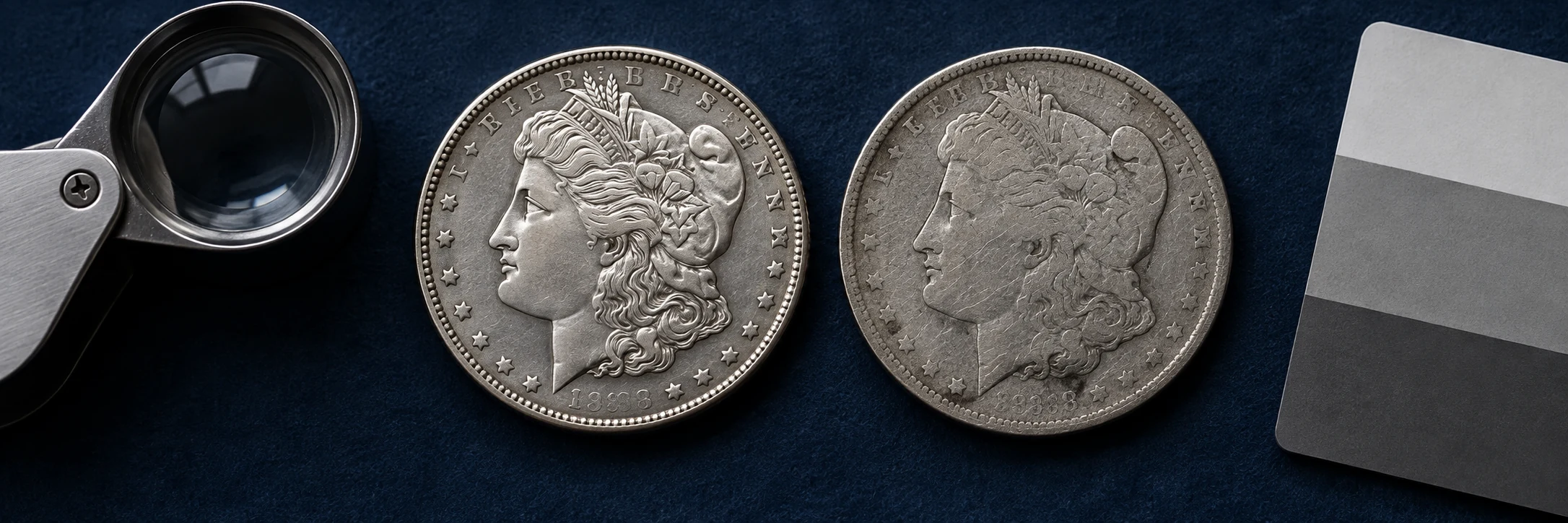
The main factors that affect coin value
Condition is often the biggest difference between an ordinary coin and a collectible one. Coins with sharp details, original surfaces, attractive toning, and little wear usually bring more interest than scratched, cleaned, corroded, or heavily worn examples. Rarity also matters, but rarity must be real: a coin is not rare just because it looks old.
Metal content can set a floor value for silver or gold coins, while collector demand can push some coins above metal value. Minting errors may be valuable when they are genuine, dramatic, and recognized by collectors. Historical importance can also help, especially for ancient, commemorative, or short-lived issues.
| Factor | How it affects value |
|---|---|
| Condition | Sharper detail and original surfaces usually increase collector demand. |
| Rarity | Low mintage, scarce varieties, and rare dates may increase value. |
| Mint mark | Different mints can have different rarity and demand. |
| Metal | Silver and gold content can create melt value and collector value. |
| Errors | Genuine mint errors can add value, but damage is often mistaken for errors. |
| Sold prices | Completed sales show what buyers actually paid. |
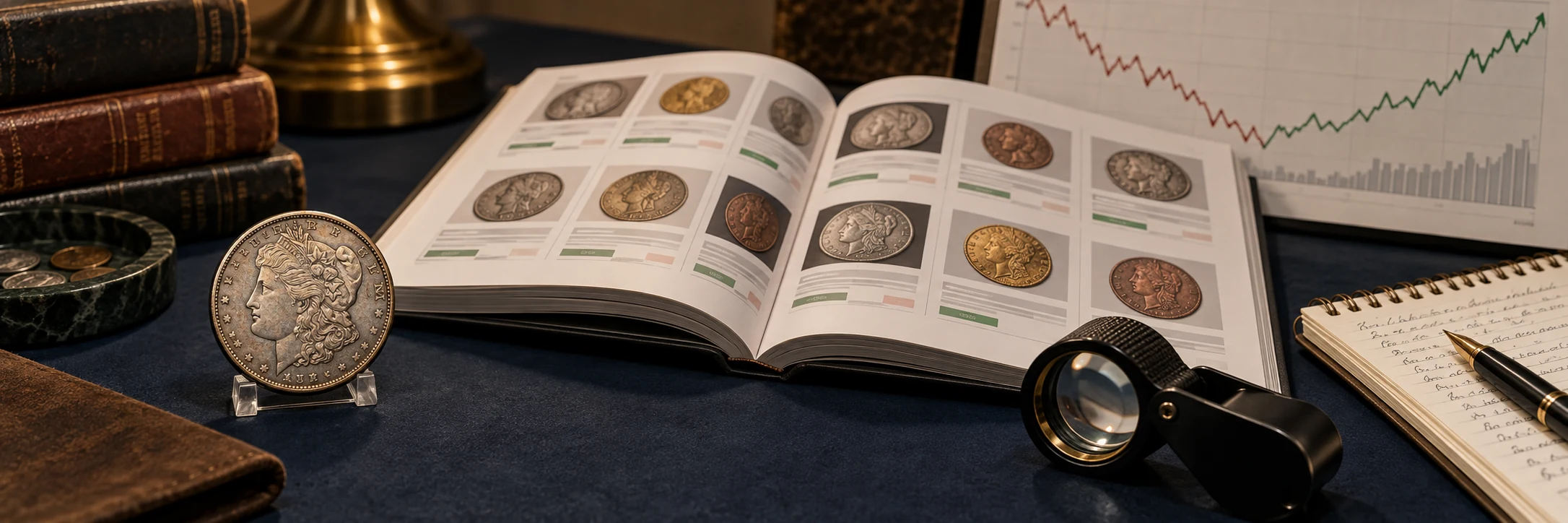
Why sold listings matter
Active listings show asking prices, not real market value. A seller can list a common coin for a very high price, but that does not mean buyers are paying it. Sold listings are more useful because they show completed transactions. Even then, you should compare several examples with similar condition, date, mint mark, and certification status.
Coins Identification links users toward active listings, sold examples, visual matches, and reference catalogs because no single source is perfect. The best estimate comes from comparing multiple sources and removing unrealistic outliers.
Illustrative comparison checked September 11, 2026: three PCGS auction records for the 1943 zinc-coated steel Lincoln cent show why grade, certification, eye appeal, and sale date matter. These are historical examples, not a current quote for an ungraded coin.
| Completed sale record | Grade and sale | What the comparison teaches |
|---|---|---|
| PCGS Auction Prices, eBay sales Sep 2024 | MS66 — $29 | A certified example in a lower grade can sell for a modest amount even when the type is popular. |
| PCGS/CAC, David Lawrence RC Apr 2019 | MS67 — $185 | One grade step plus CAC approval and eye appeal changed the result; the date and type alone did not. |
| Legend Rare Coin Auctions, Regency Auction 53 Jul 2022 | MS68 — $3,760 | A superb, much higher-grade example is a different market comparison from an ordinary raw cent. |

When to get a professional appraisal
Ask a professional when a coin may be rare, ancient, gold, silver, an important error, or worth a high amount. You should also get expert help before selling an inherited collection, cleaning a coin, submitting to a grading service, or making an insurance claim.
Online tools are best for first-step research. They help you understand what the coin might be and what to check next. A professional appraisal considers authenticity, grade, surface, provenance, and market context in more detail.
How to avoid overvaluing a coin
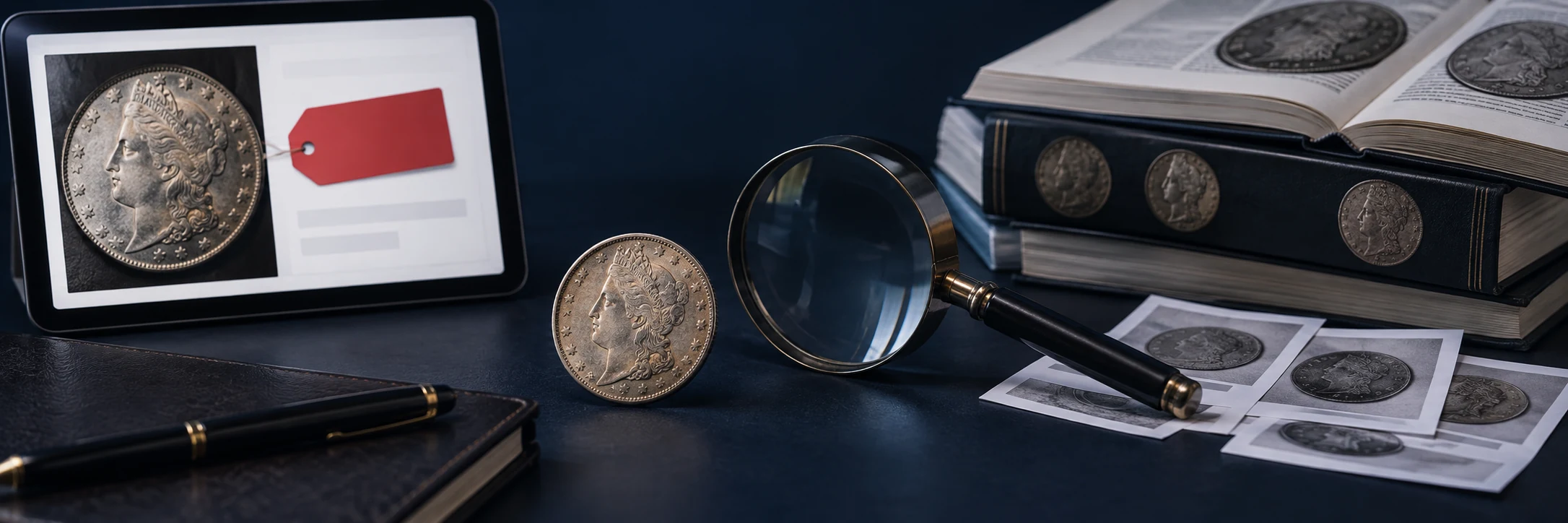
Beginners often overvalue coins because they find one expensive listing and assume it represents the market. A better method is to compare several sold examples, remove unusually high or low outliers, and focus on coins that match the same date, mint mark, variety, and condition. Certified coins should be compared with certified coins, not raw pocket-change examples.
Also be careful with words such as rare, error, proof, uncirculated, and silver. These words have specific meanings in numismatics. A shiny coin is not automatically proof, an old coin is not automatically rare, and an unusual mark is not automatically a mint error.
FAQ
Can I check coin value online?
Yes. Online tools can show a possible coin value or estimated market range, but the final price depends on condition, rarity, demand, and real sales.
Why is my coin value shown as a range?
A range is more honest than one exact number because photos cannot fully grade a coin and market prices change over time.
Sources and further reading
Use these catalog and reference sites to compare the identification, specifications, and market context. They are reference points, not guarantees of a sale price.