
Coin Value Methodology
Coins Identification shows estimated market ranges because coin prices are not fixed. A realistic range is more useful than a single number when the only input is a photo. The range is based on the possible identification, visible condition clues, rarity category, metal appearance, and market comparison links.
This page explains how to read those ranges and why they should not be treated as professional appraisals.
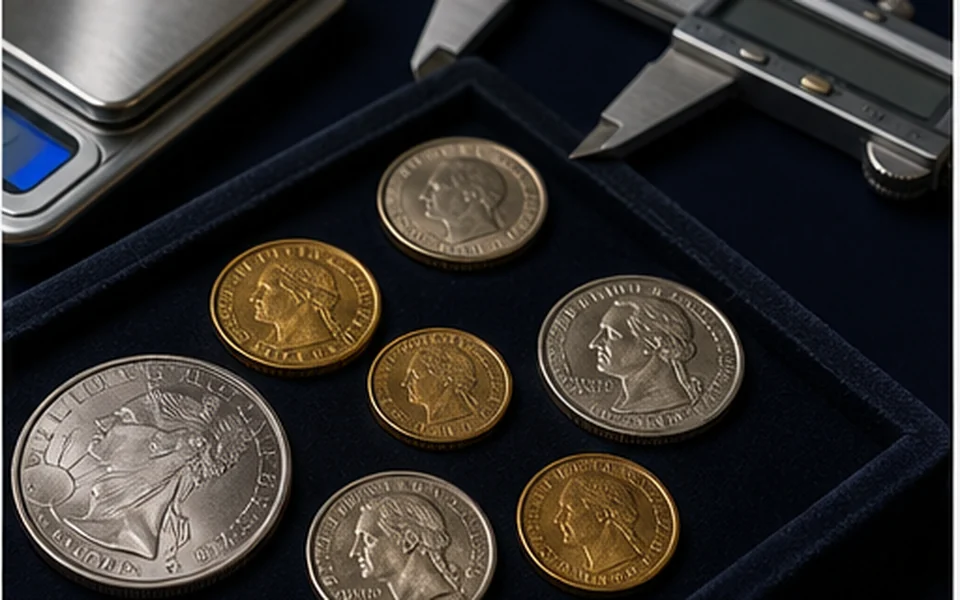
An online value range is a research starting point: confirm the exact coin, compare its visible condition with similar examples, and check completed sales before treating the range as useful evidence.
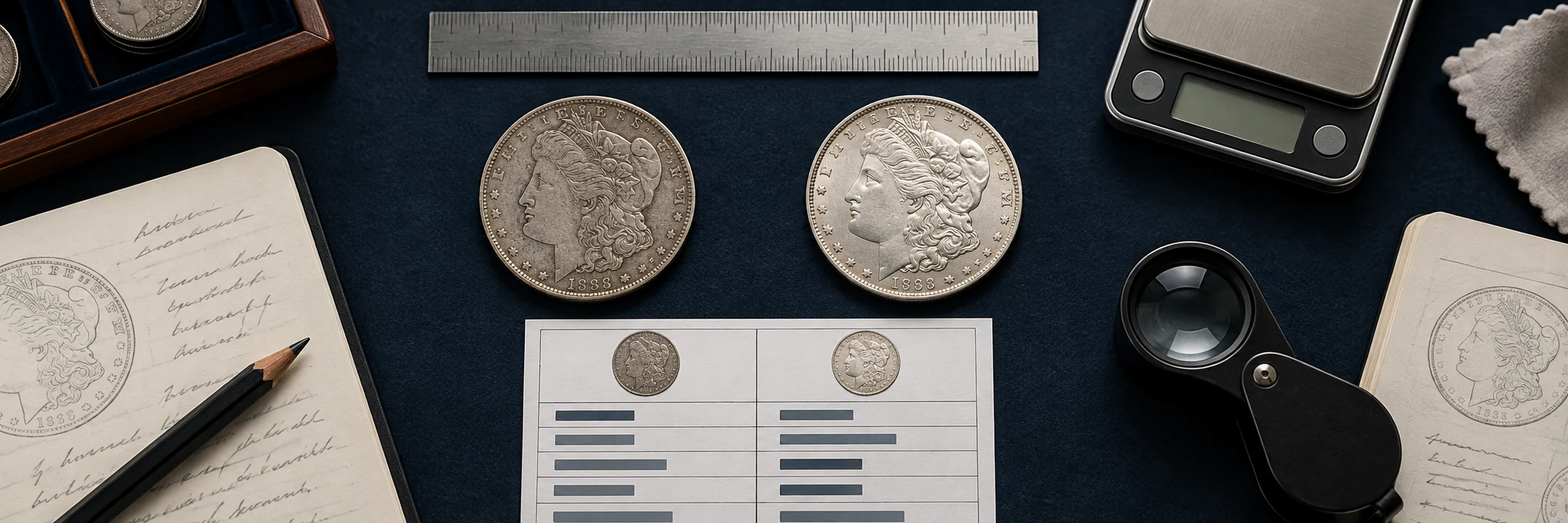
Two coins with the same date can have different ranges
Compare two coins only after confirming the same country, denomination, year, mint mark, and variety. Record wear, scratches, cleaning, certification, and the quality of the completed-sale matches. The shared date is one clue; it does not make the two coins interchangeable.
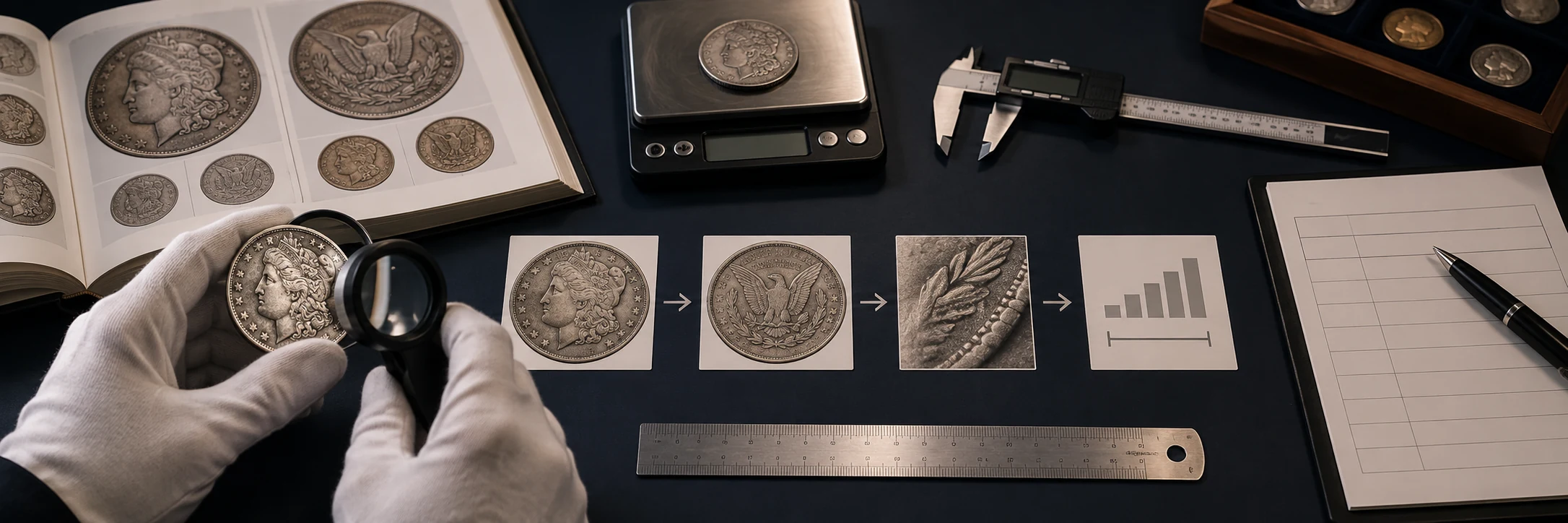
Identification comes first
A value range is only useful if the coin identification is close. The scanner first tries to determine the possible country, year, denomination, type, material, and design. If those details are uncertain, the value range must also be treated as uncertain.
For example, a common circulation coin, a commemorative coin, a medal, and a replica can look similar in a photo but have different markets. Users should compare the result with the actual coin before trusting any price range.
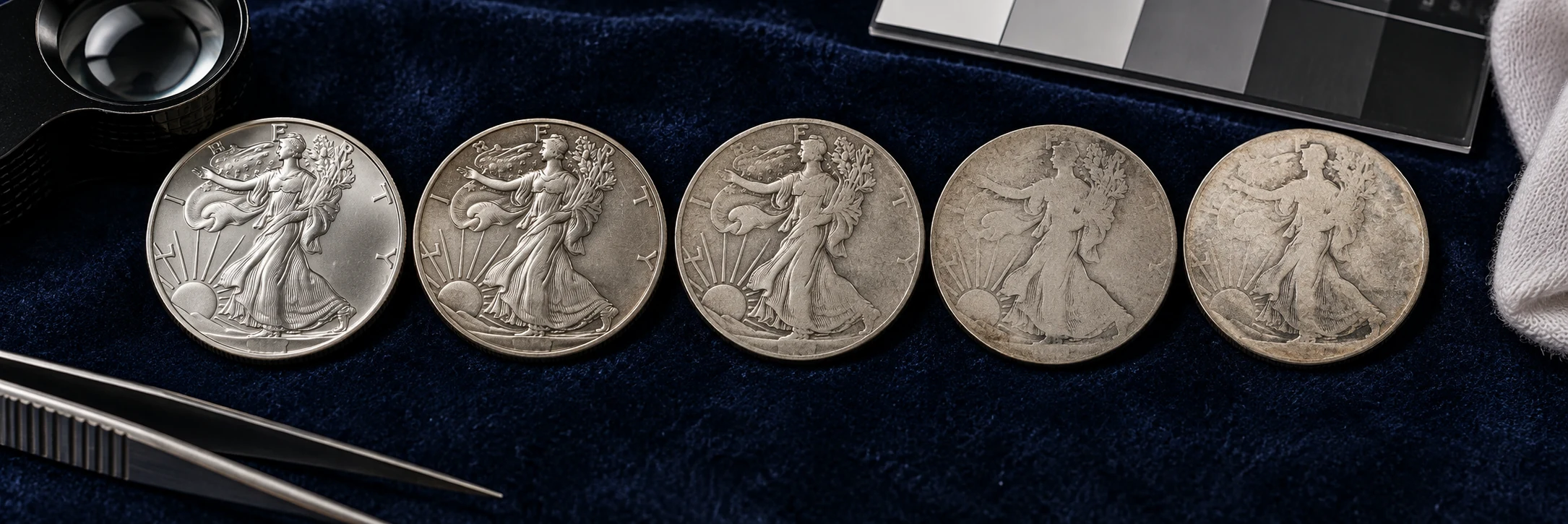
Visible condition affects the range
Condition has a major effect on value. A coin with clear details, original surfaces, attractive toning, and minimal wear may sell for more than a scratched or cleaned example. A photo can show some condition clues, but it cannot replace grading.
| Visible clue | Possible effect |
|---|---|
| Heavy wear | May lower collector value and push the range down. |
| Sharp details | May support a stronger value range if the coin is collectible. |
| Cleaning scratches | Often reduce value, especially on older coins. |
| Corrosion or damage | Usually lowers value unless the coin is very rare. |
Market checks are required
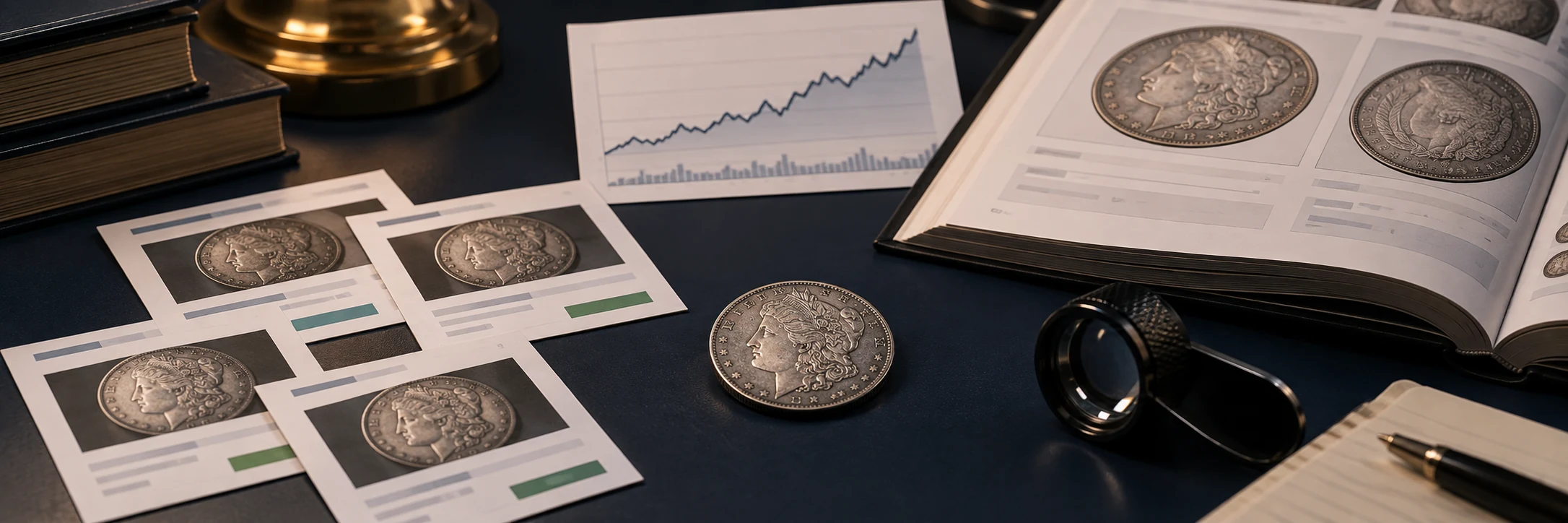
Active listings show what sellers ask. Sold listings show what buyers actually paid. Reference catalogs provide context, but their values may not match current demand. A practical estimate should compare multiple sources and avoid extreme outliers.
That is why result pages include market links. Users should compare coins with the same date, mint mark, variety, condition, certification status, and country. A similar-looking coin is not always the same coin.
When the range may be too broad
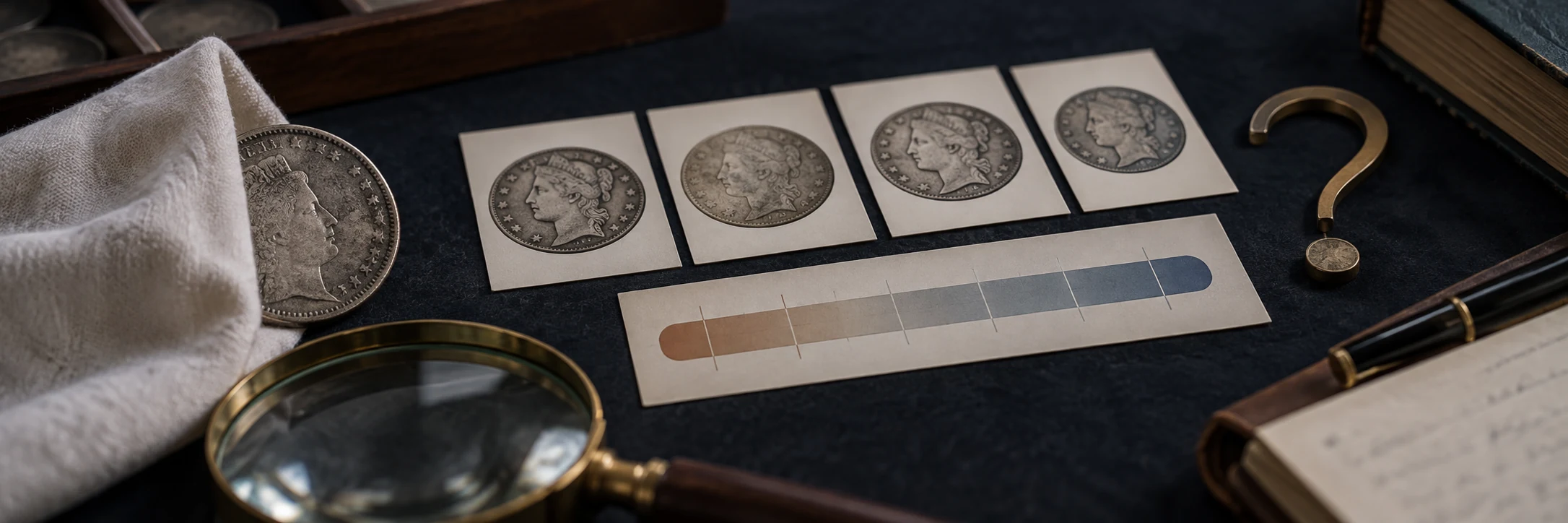
The range may be broad when the photo is unclear, the coin is rare, the type has many varieties, the reverse side is missing, or sold examples vary widely. Ancient coins, mint errors, silver coins, and gold coins often need deeper checks because authenticity and grade matter more.
If a coin may be valuable, do not rely on an online estimate alone. Get a professional opinion before selling, cleaning, grading, or insuring it.
Sources and further reading
Compare the possible identification and market context with independent catalog references. These sources do not guarantee a selling price.