
Rare Coin Errors Beginners Should Know
Rare coin errors can be exciting, but they are also one of the easiest areas for beginners to misunderstand. Many coins that look unusual are damaged after leaving the mint. Real mint errors happen during production, while scratches, dents, corrosion, glue, heat damage, and machine damage happen later.
This guide explains common error types, how to photograph them, and why verification matters before assuming a coin is valuable. Coins Identification can help spot visible clues, but error confirmation often requires careful comparison or expert review.
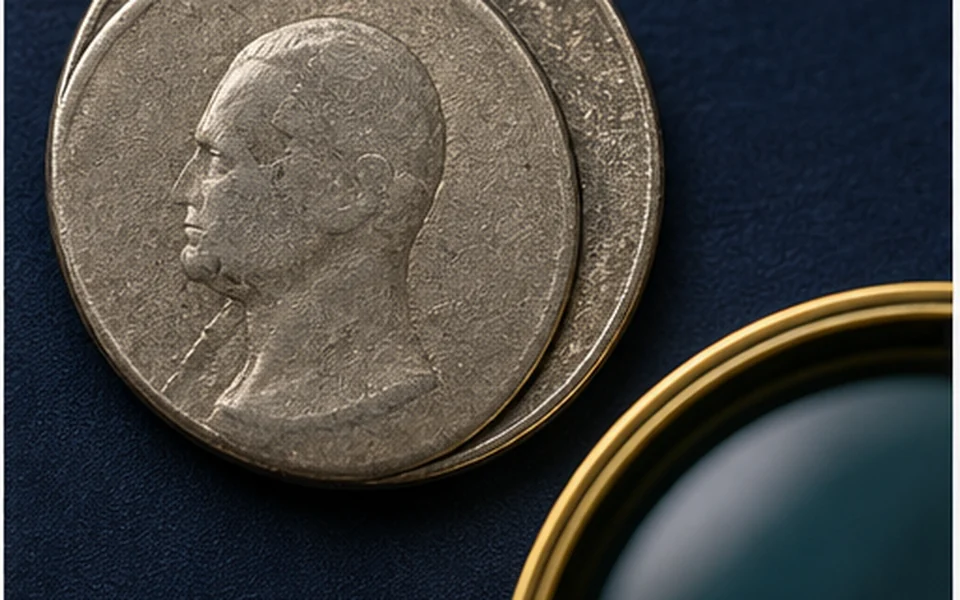
A genuine mint error should fit a known production process and match verified examples. Scratches, bends, heat marks, tool marks, and crushed edges are usually post-mint damage.
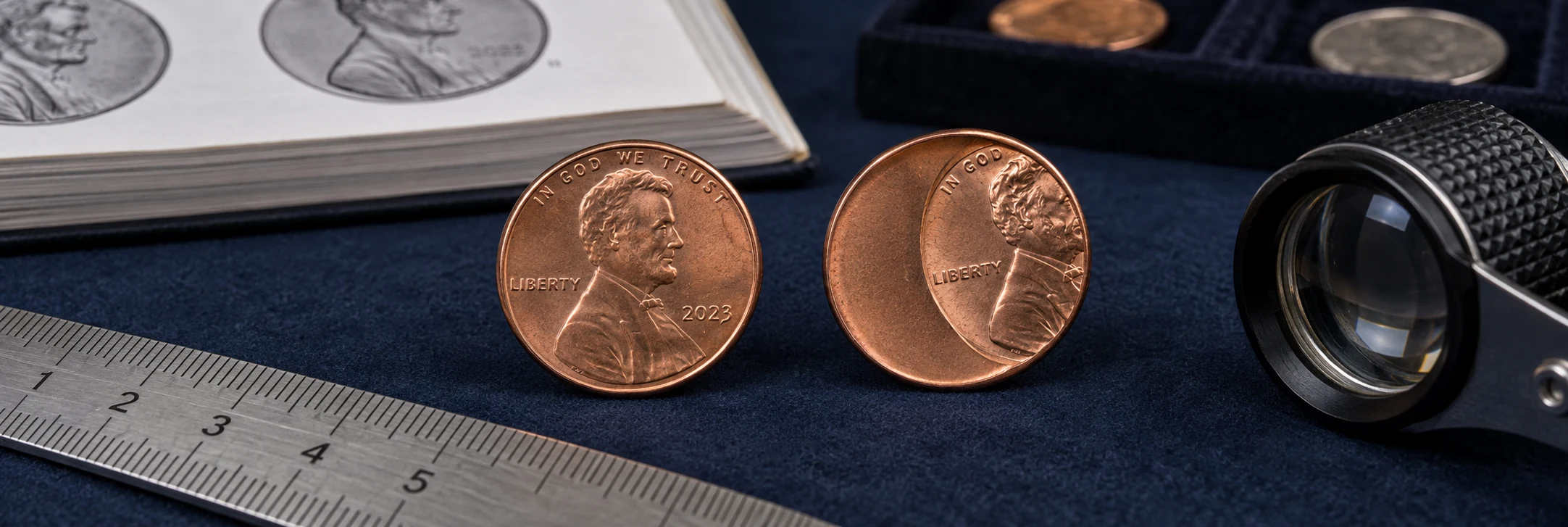
Worked example: a possible off-center strike
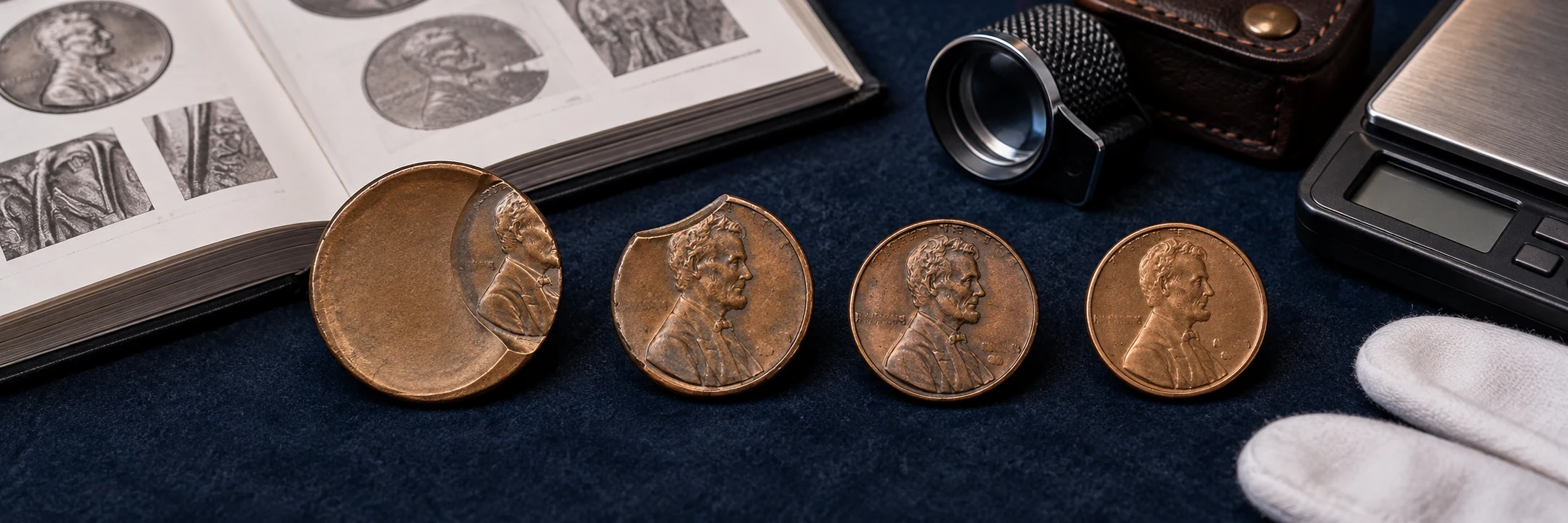
PCGS illustrates a 1943 Lincoln cent struck about 50% off center. Compare the whole coin with the reference: an off-center strike is missing part of the design because the planchet was not centered, while a random scrape or crushed edge is post-mint damage. Photograph the full rim before taking a close-up.
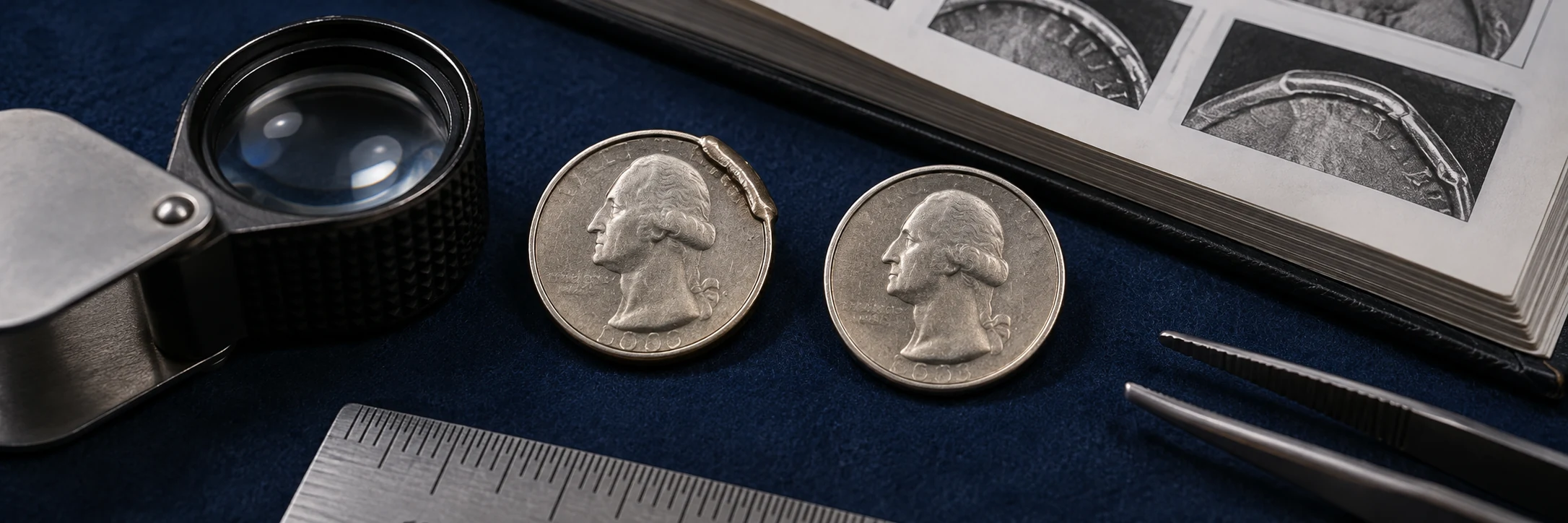
Mint error or post-mint damage?
The most important question is whether the unusual feature happened at the mint. A genuine error is part of the manufacturing process. Post-mint damage occurs after the coin enters circulation. Damage is far more common than valuable errors.
For example, a coin scraped by a machine may look dramatic but usually has little collector premium. A genuine off-center strike, wrong planchet, clipped planchet, or recognized doubled die may be collectible when properly identified.
| Looks like | Could be | What to check |
|---|---|---|
| Part of design shifted | Off-center strike | Is the rim missing on one side and design struck off center? |
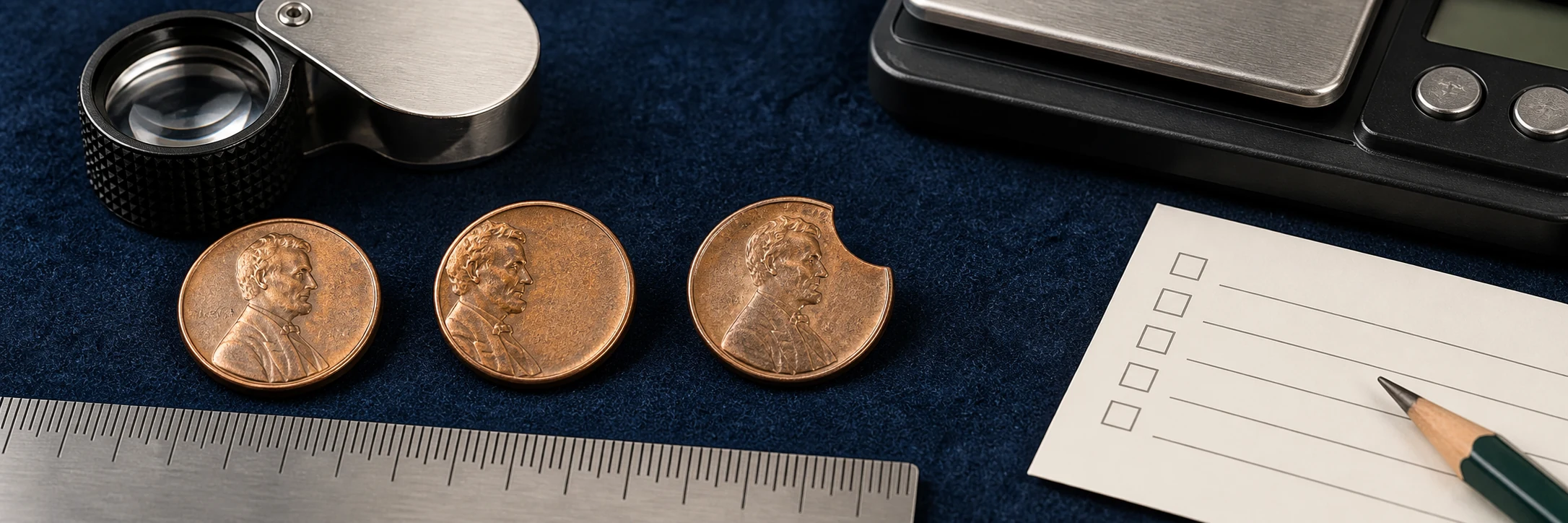
| Missing curved piece | Clipped planchet | Is the missing area smooth and consistent with minting? |
| Repeated letters/design | Doubled die | Is doubling part of the die, not flat machine doubling? |
| Raised line | Die crack | Is the line raised rather than scratched into the coin? |
| Wrong color/size | Wrong planchet | Does weight and diameter support the claim? |
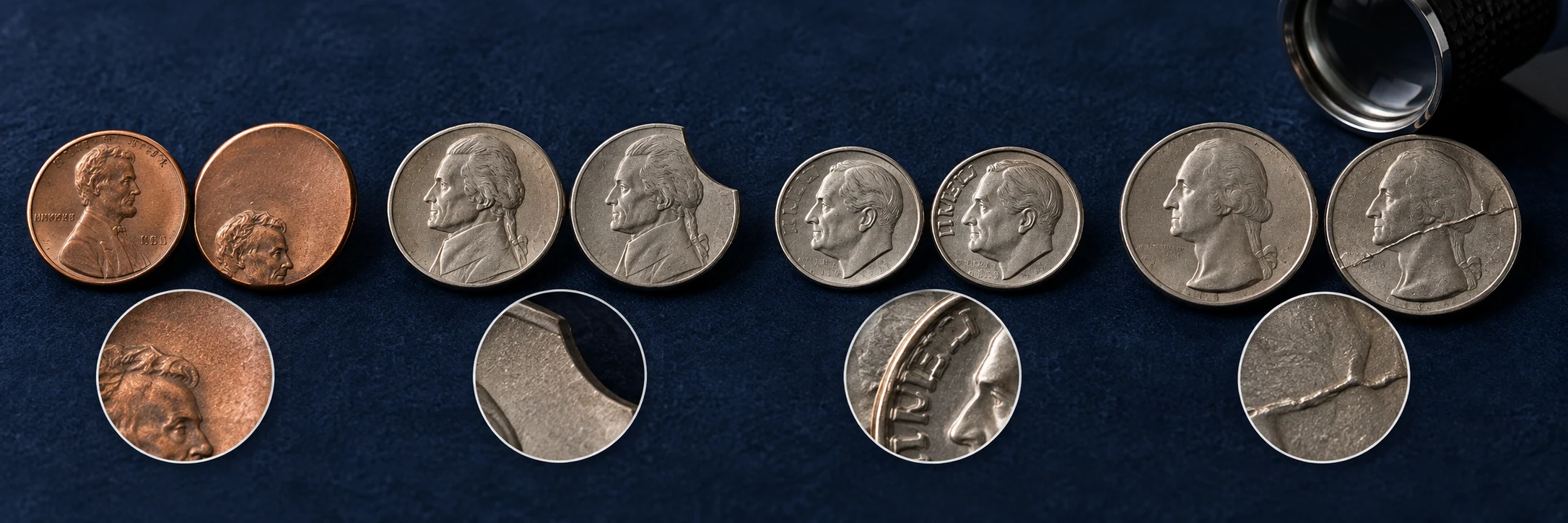
Common error types beginners see
Off-center strikes happen when the blank planchet is not properly centered during striking. Clipped planchets occur when the blank is punched incorrectly from the metal strip. Die cracks appear as raised lines because a damaged die transferred the crack to the coin. Doubled dies show true design doubling caused by the die-making process.
Machine doubling is often confused with doubled dies. It usually looks flat, shelf-like, and less valuable. Environmental damage, corrosion, acid, heat, and scratches are also often mistaken for rare errors.
How to photograph a possible error
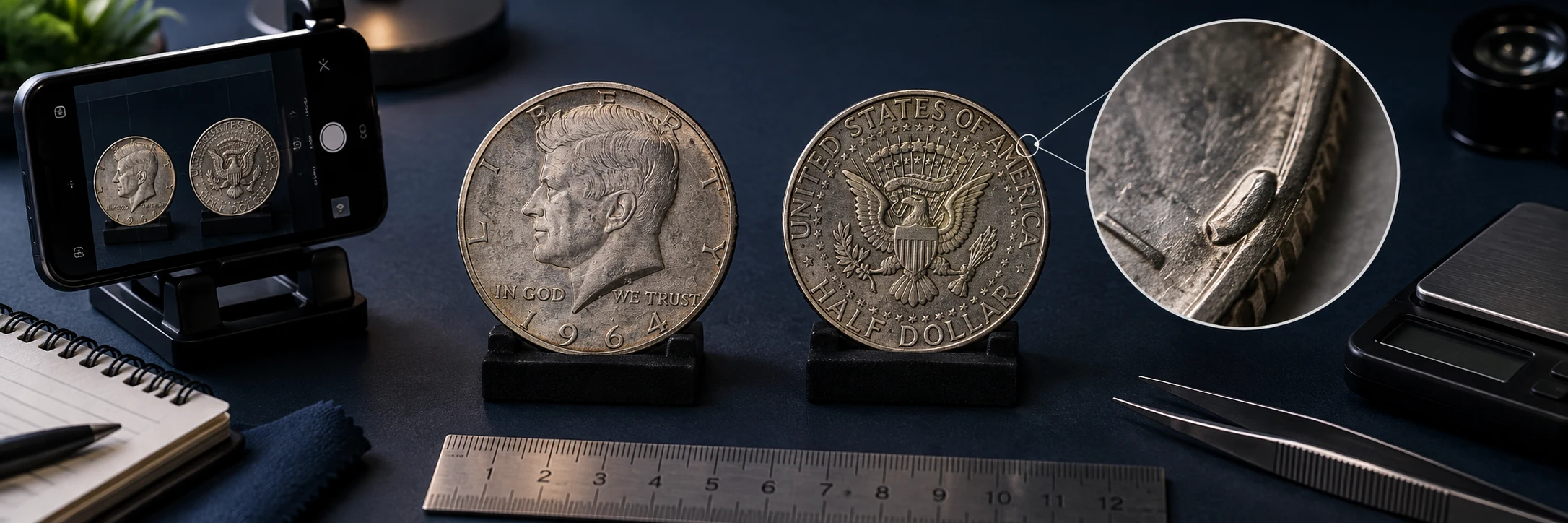
Take a full photo of both sides first. Then take close-ups of the unusual area from a straight angle with good light. If size or weight may matter, record the diameter and weight. Do not crop so tightly that the rest of the coin is missing because context helps separate errors from damage.
For suspected doubled dies, focus on the date, mint mark area, lettering, and main design details. For clips or off-center strikes, show the entire rim. For die cracks, use lighting that reveals whether the line is raised or incuse.
Why error values vary widely
The value of an error depends on how dramatic it is, how rare it is for that coin type, whether it is recognized by collectors, and the condition of the coin. A tiny die chip may be interesting but low value. A major wrong-planchet error or dramatic off-center strike may be much more desirable.
Before selling, compare your coin with verified examples and sold listings. For valuable error candidates, professional attribution can protect you from underpricing a real error or overvaluing damage.
Red flags that usually mean damage
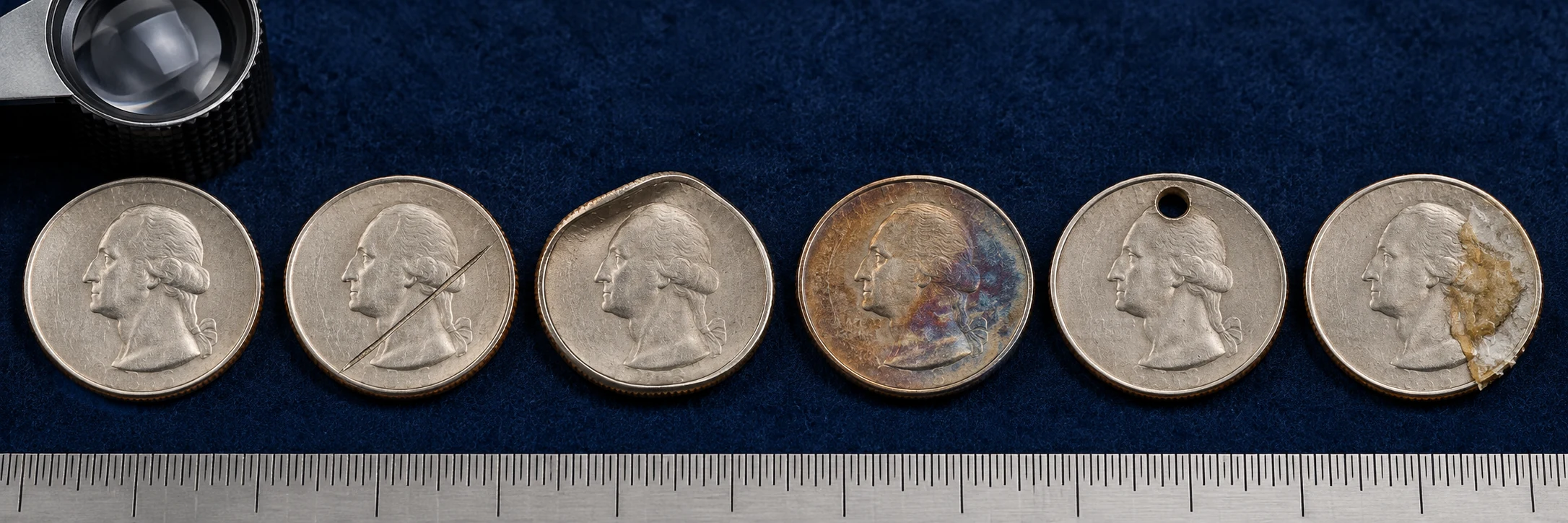
Many dramatic-looking coins are damaged outside the mint. Random scratches, crushed rims, chemical stains, drilled holes, bent planchets, heat bubbles, glue residue, and dark corrosion usually reduce value. A real mint error should make sense within the minting process and should have features that match known error types.
When in doubt, photograph the whole coin and the unusual area. Search for verified examples of the same error type, not just similar-looking damage. If the coin appears valuable, ask for attribution before listing it for sale.
A careful second opinion is often worth more than a rushed listing title. Error collecting rewards accuracy, clear photos, and honest descriptions.
FAQ
How can I tell if a coin error is real?
Look for evidence that the feature happened during minting, compare with verified examples, and check whether the mark is raised, struck, clipped, or simply damaged.
Are damaged coins valuable?
Most damaged coins are not worth a premium. Some dramatic genuine mint errors can be valuable, but post-mint damage usually lowers value.
Sources and further reading
Use these catalog and reference sites to compare the identification, specifications, and market context. They are reference points, not guarantees of a sale price.