1 cent
- Weight
- 2.30 g
- Diameter
- 16.25 mm
- Edge
- Smooth

Every circulating euro coin combines a common European side with a national side chosen by the issuing country. That makes the denomination easy to recognize, but the country, year, design series, and commemorative subject may still need careful comparison.
This guide covers all eight denominations from 1 cent to €2. It shows how to read both sides, use the edge and official measurements as cross-checks, recognize commemorative €2 coins, and separate face value from possible collector value.
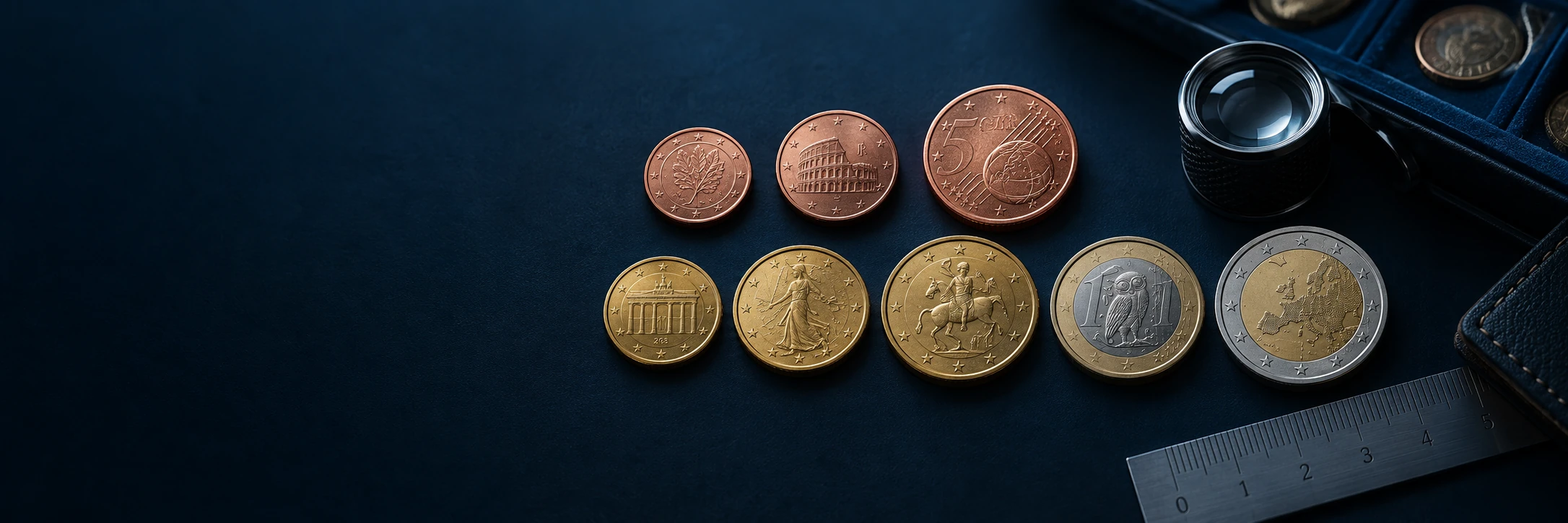
Use the scanner when you are ready to compare your coin with the clues in this guide.
Scan your coinRead the denomination on the common side, identify the issuing country and year from the national side, then confirm the edge, weight, and diameter with official specifications before researching value.
Use the common side, color family, dimensions, and edge together. These official ECB specifications apply to standard circulating euro coins.
Remember: measurements can reject a weak match, but a correct weight and diameter alone do not prove authenticity or establish collector value.
First use the common side and bimetallic layout to confirm the €2 denomination. On the national side, record the issuing country, year, commemorative subject, mint or designer marks, and every readable inscription. Check the 25.75 mm diameter, 8.50 g weight, and country-specific edge lettering against the official issue. Only then compare mintage, condition, and completed sales; an unfamiliar national design does not automatically mean the coin is rare.
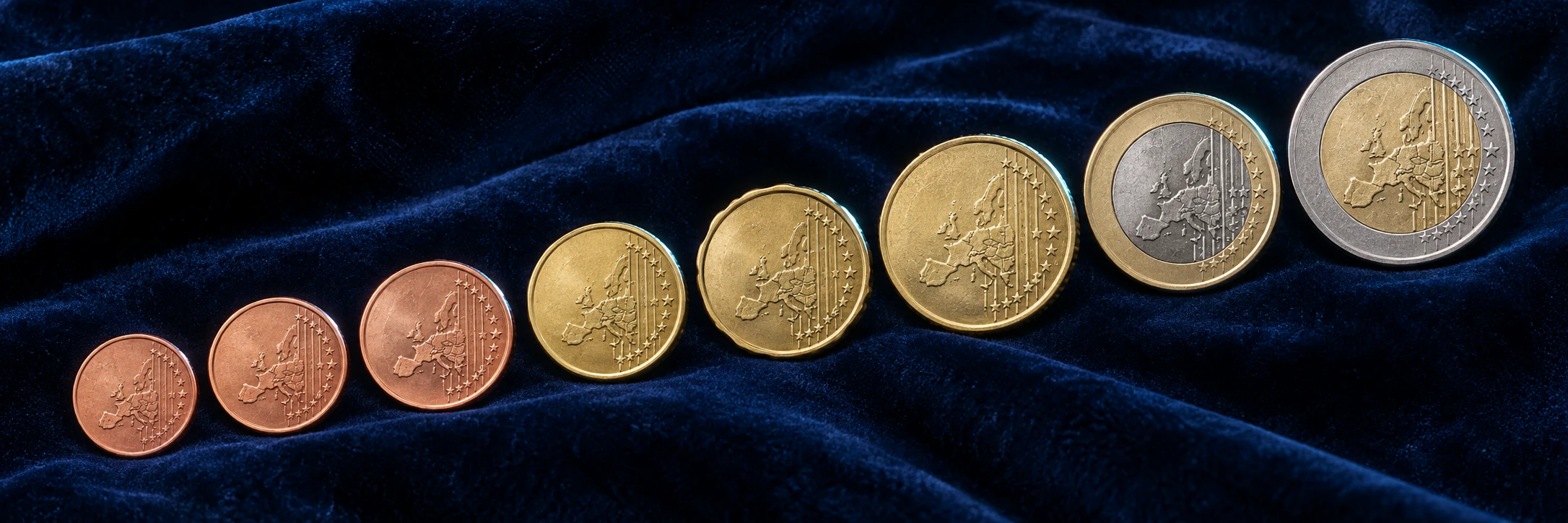
Start with the large value on the common side. The 1, 2, and 5 cent coins are copper colored; the 10, 20, and 50 cent coins are gold colored; and the €1 and €2 coins are bimetallic. On €1 the outer ring is gold colored and the center is silver colored, while €2 reverses that arrangement.
Do not rely on color alone. Lighting, wear, corrosion, and camera processing can change the appearance. Read the numeral and cent or euro wording, then compare the diameter, edge, and map design. Earlier common-side designs remain legal tender, so an older map is not automatically an error.
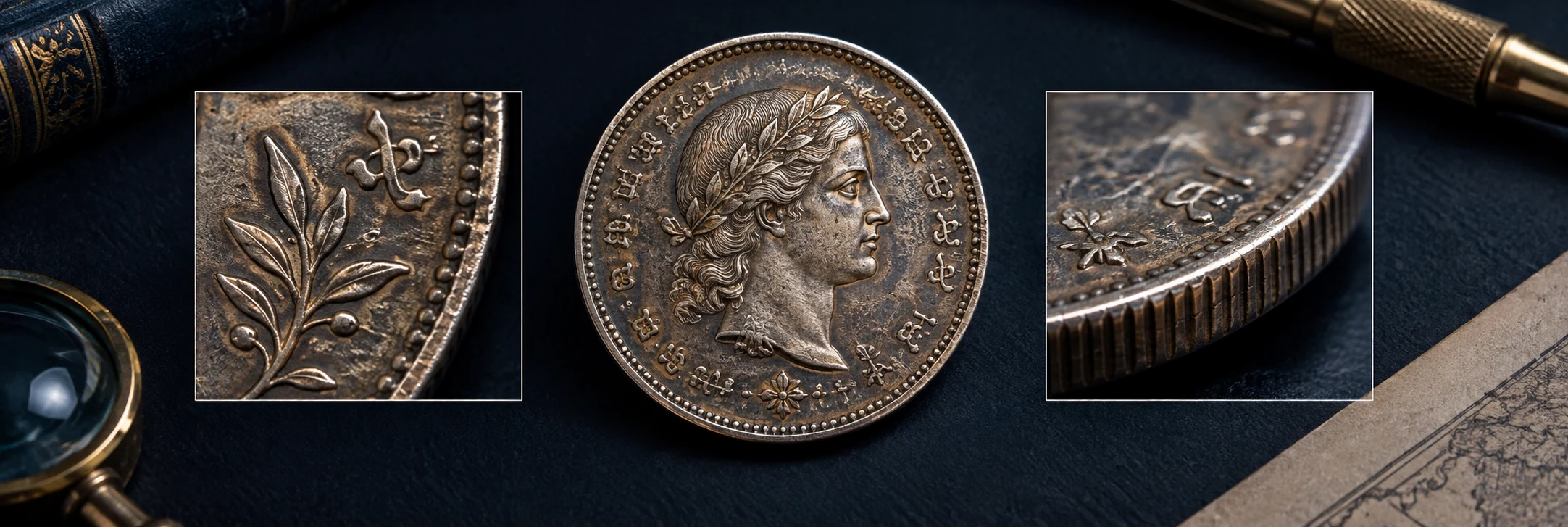
Turn the coin over and study the national side. Countries use portraits, coats of arms, buildings, plants, animals, historical figures, and other national motifs. Look for a country name or code, the year of issue, mint marks, and small designer initials before comparing the complete design with an official gallery or catalog.
The 12 European stars appear around national designs and do not identify the country by themselves. Some countries have issued more than one design series, and several countries use different motifs across denominations. Match the country, denomination, year, and design together rather than choosing the first similar portrait or emblem.

Official physical specifications are useful when two coins look similar. Weigh the coin on a scale that reads to at least 0.01 g and measure the widest diameter without squeezing it. Compare the result with the denomination table on this page, allowing for modest wear and measurement error.
The edges are intentionally different. A 2 cent coin has a groove; €1 has alternating milled and smooth sections; €2 has fine milling and edge lettering that can differ by issuing country. The 20 cent coin has its recognizable Spanish flower shape. Measurements support an identification, but they do not prove authenticity on their own.
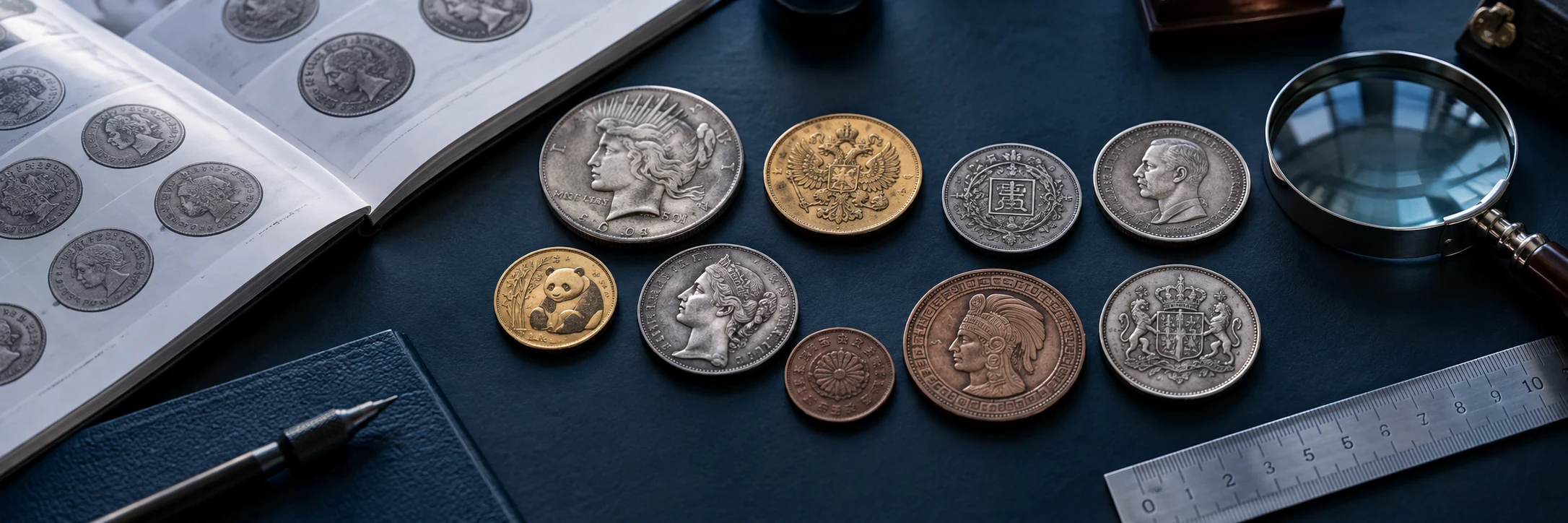
Circulating commemorative euro coins use the €2 denomination. They retain the normal €2 common side and physical properties, while the national side carries a commemorative design. Record the issuing country, year, subject, inscriptions, mint marks, and edge lettering before searching for the exact issue.
An unfamiliar commemorative design is not automatically rare. These coins are legal tender throughout the euro area, and many were issued in large quantities. Check the official design record and mintage, then compare the condition with completed sales for the same issue.
Most circulated euro coins trade close to face value. A higher collector price may depend on a scarcer country and year, lower mintage, recognized variety or mint error, exceptional condition, original packaging, or strong demand. A marketplace asking price is not evidence that a coin sold for that amount.
Identify the exact issue first, then compare several recent completed sales in similar condition. Check whether examples were circulated, uncirculated, proof, packaged in an official set, or professionally certified. If the coin may be counterfeit, altered, or unusually valuable, arrange an in-person examination before buying or selling.

Check the national side for a country name or code, portrait, emblem, year, mint mark, and complete design. Compare all of those clues with an official national-side gallery.
They share a common side for each denomination, while the other side is national and varies by issuing country and design series.
Edge shape and treatment help confirm the denomination. The €2 coin also carries edge lettering that can differ by issuing country.
Some attract a premium, but an unusual design alone does not make one rare. Confirm the exact country, year, issue, mintage, and condition, then compare completed sales.
Andorra, Monaco, San Marino, and Vatican City can issue their own euro coins under monetary agreements with the European Union. Their circulating euro coins are legal tender in the euro area.
No. A photo can support identification, but value still depends on the exact issue, authenticity, condition, variety, packaging, and current market evidence.
Use these catalog and reference sites to compare the identification, specifications, and market context. They are reference points, not guarantees of a sale price.