
Foreign Coin Identification
Foreign coins can be difficult to identify when the language, alphabet, symbols, or denomination are unfamiliar. CoinsIdentification helps you start that research by using a clear photo of the coin and comparing visible details such as text, portraits, coats of arms, dates, metals, and design style.
This page is for people who found a coin from another country, brought coins home after travel, inherited a mixed jar of coins, or simply cannot read the writing on a coin. The result should be treated as a possible match and a first step, not a guaranteed professional appraisal.
Use the scanner when you are ready to compare your coin with the clues in this guide.
Scan your coinStart with clear photos of both sides, then confirm the country, script, date, denomination, edge, and catalog match before considering value.
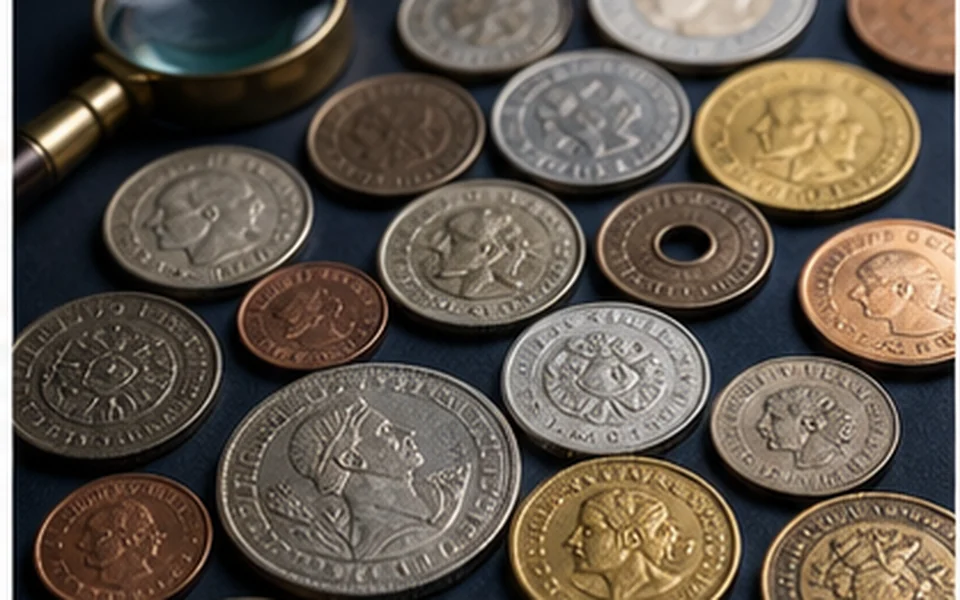
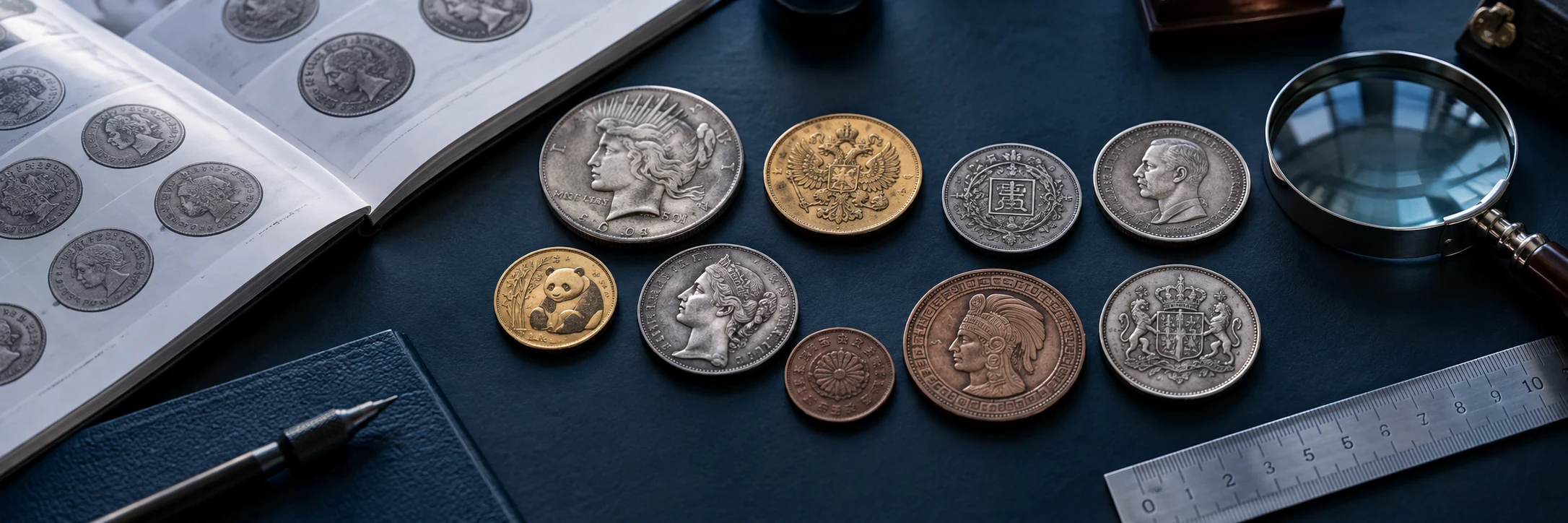
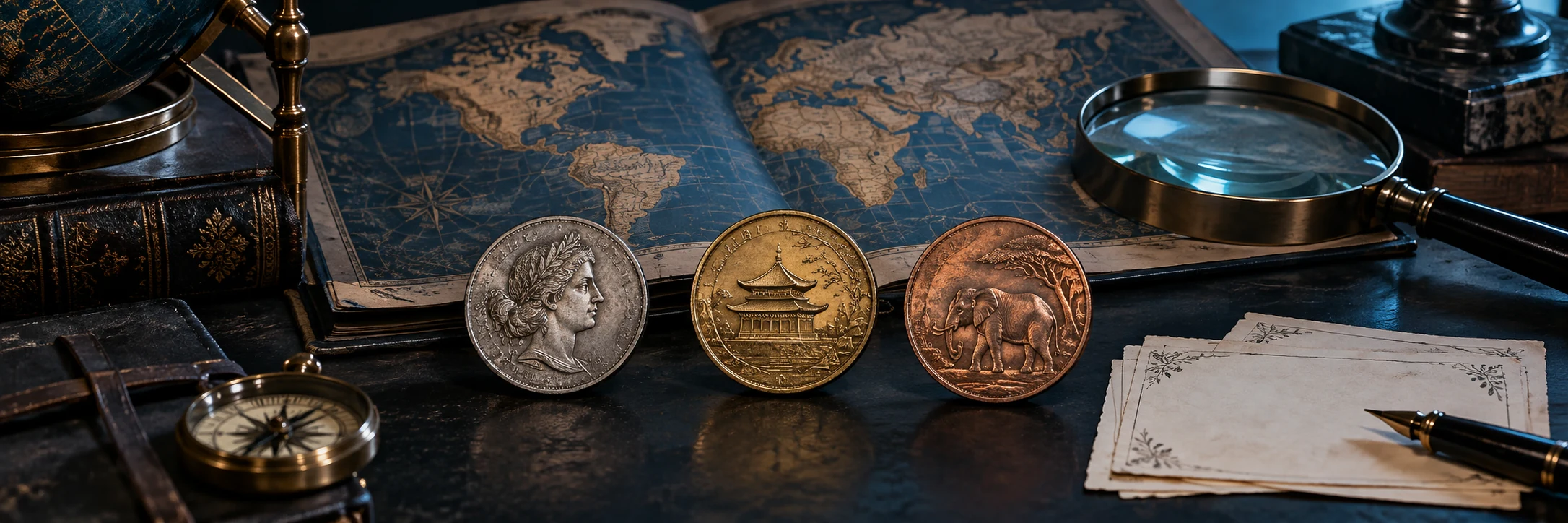
Ten visual clues from coins around the world
Compare the writing system, portrait, symbols, shape, and metal appearance before narrowing a foreign coin to one country or period.
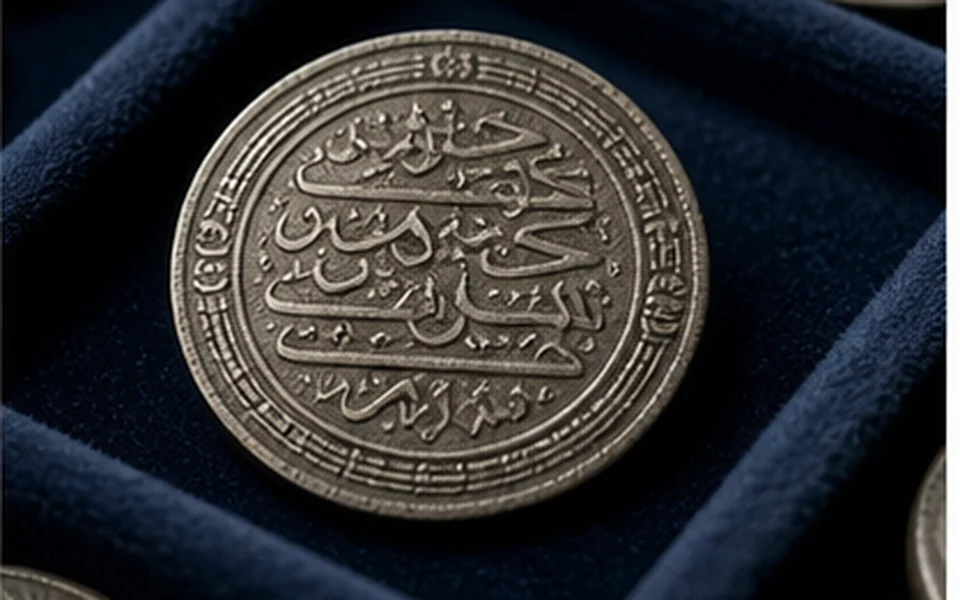
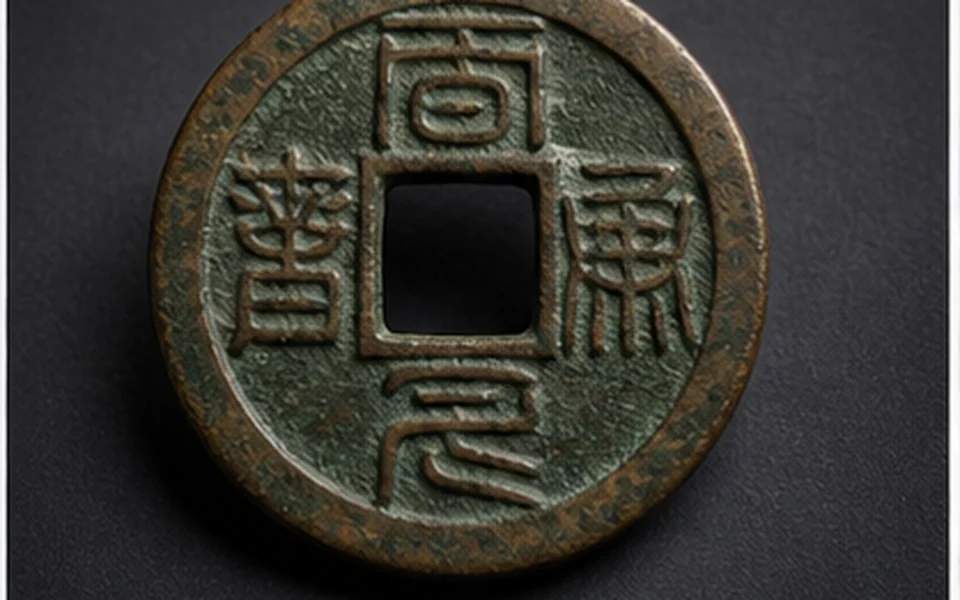
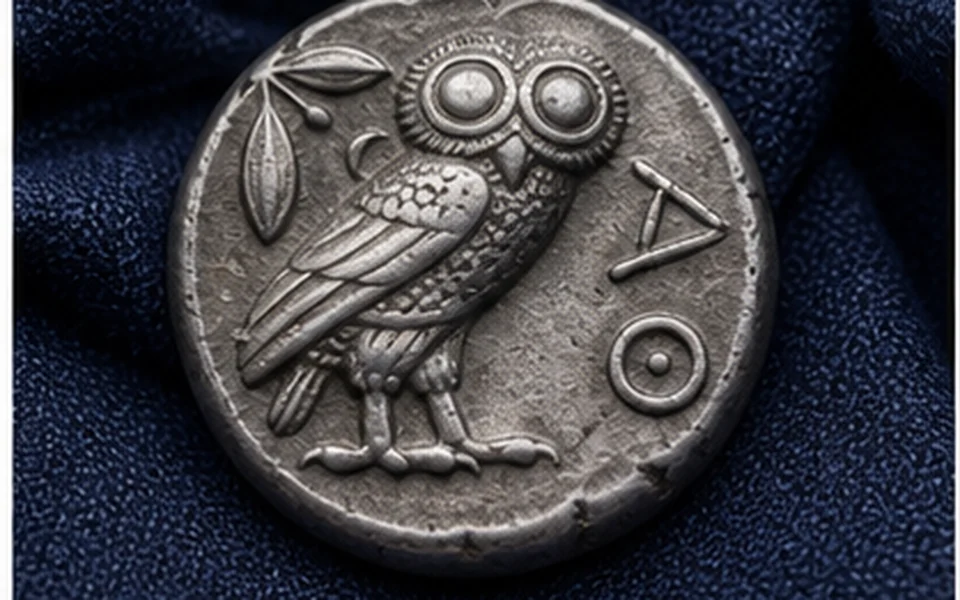
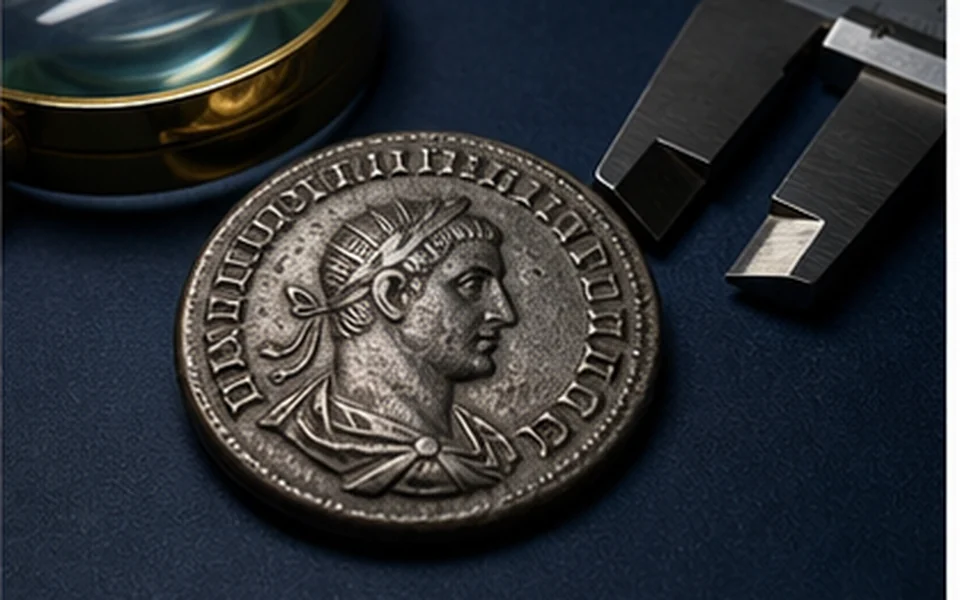
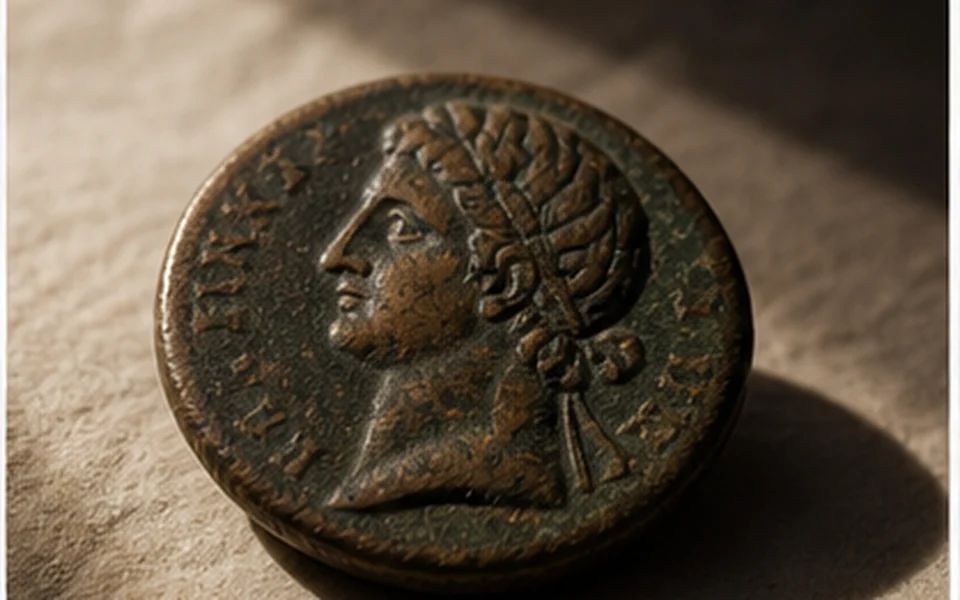
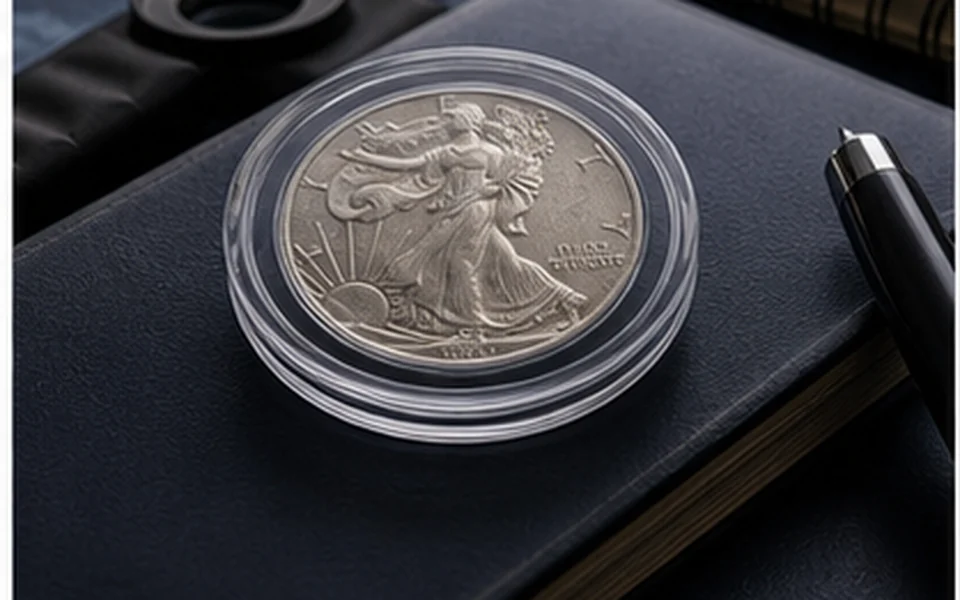
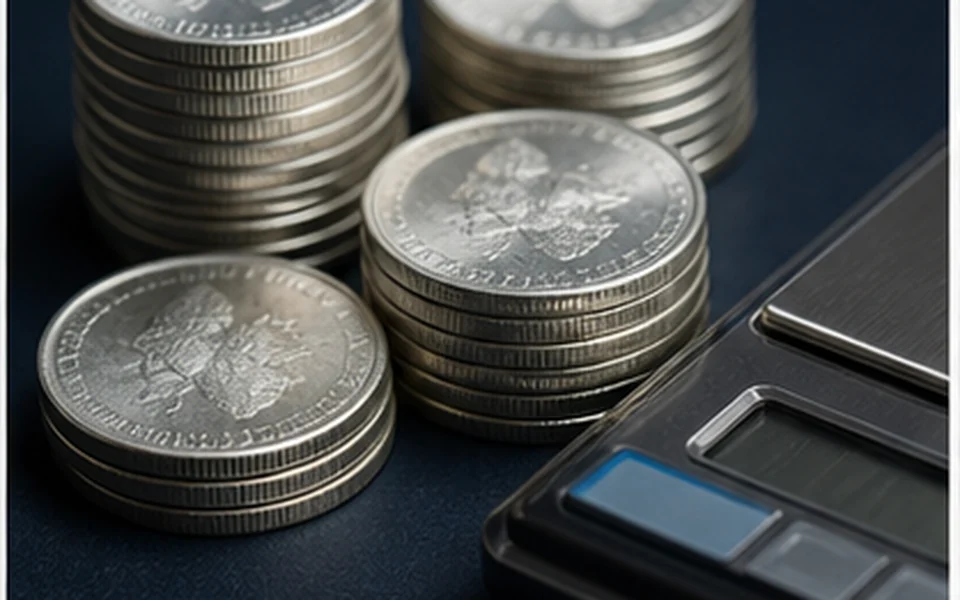
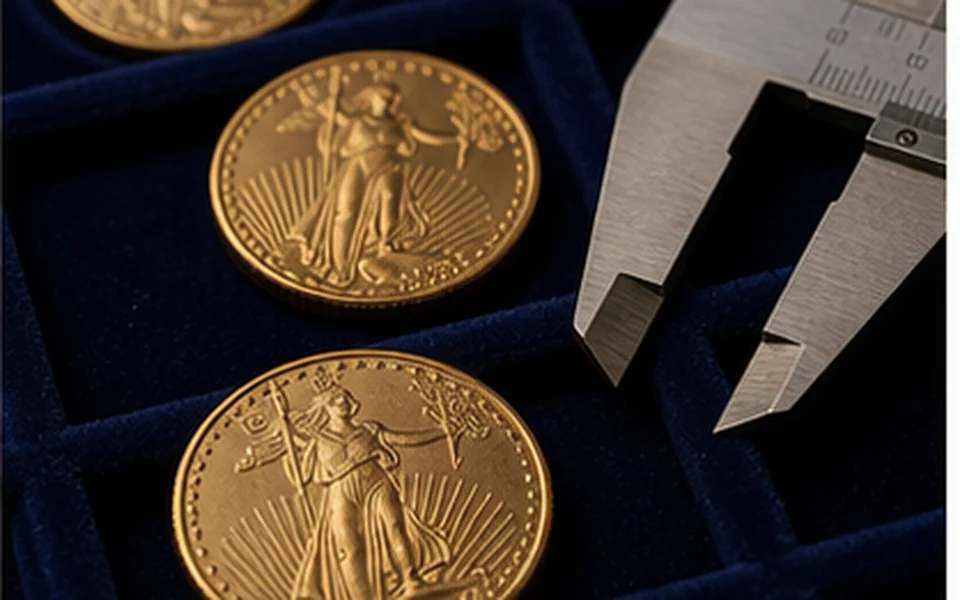
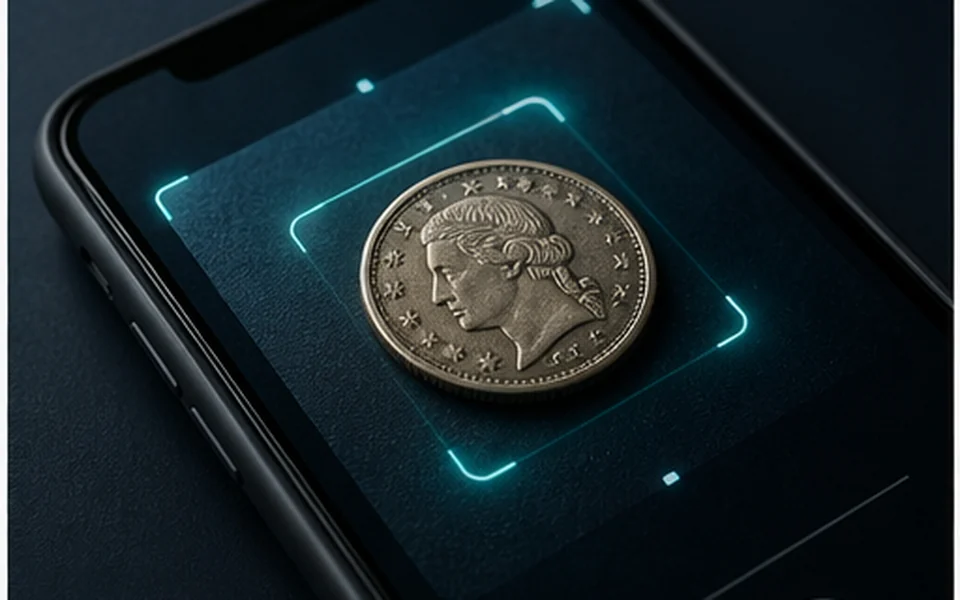
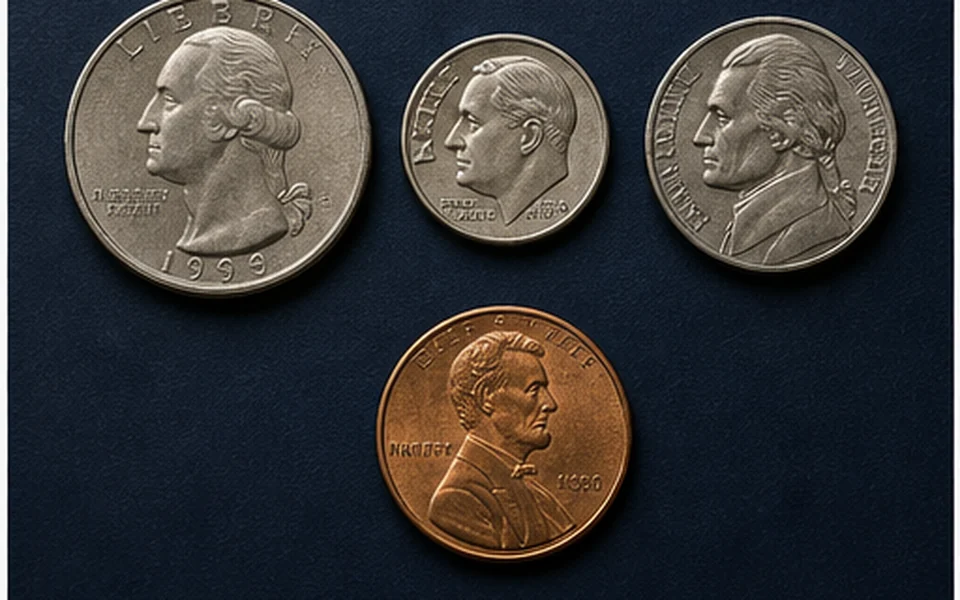
These images are illustrative comparison examples. They are not authenticated specimens, live scan results, or guarantees of country, age, or value.
Worked example: an unfamiliar foreign coin
Photograph both sides, write down any readable country name or denomination, and compare the script, portrait, date, and edge with a catalog entry before judging value.
How Foreign Coin Identification Works
A foreign coin identifier looks for clues that can connect a coin to a country, region, currency, and time period. Some coins include the country name in English or Latin letters. Others use Cyrillic, Arabic, Chinese characters, local scripts, national emblems, rulers, or symbolic animals.
When you upload a clear photo, the system checks details that are visible in the image. Readable text, a date, a portrait, a coat of arms, or a denomination can make the search much stronger. If the coin is worn or photographed at an angle, the tool may show a broader possible match instead of a precise answer.
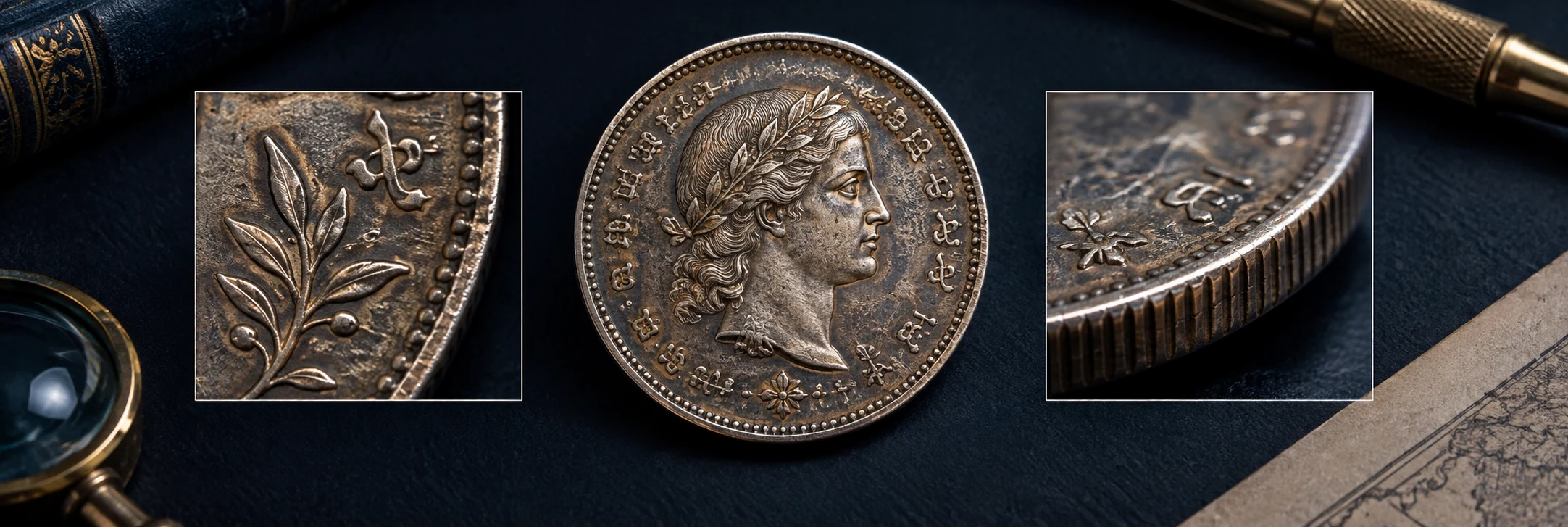
What Details Help Identify a Foreign Coin
The most useful details are the country name, national symbols, language or alphabet, year, denomination, portrait, coat of arms, metal color, size, and edge. Even one clear word or number can help narrow down the search.
Take photos of both sides if possible. One side may show a ruler or emblem, while the other side may show the denomination or year. If the edge has writing, ridges, or a special pattern, photograph that too because it can separate similar coins.
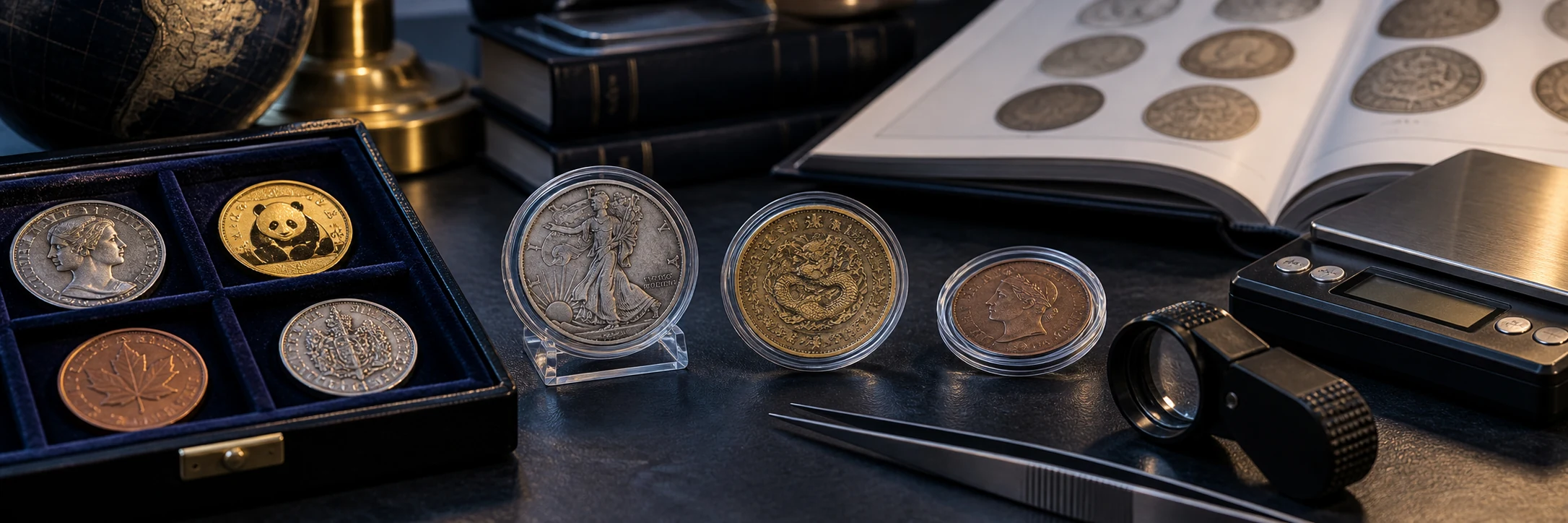
Why Foreign Coins Can Be Valuable
Not every foreign coin is valuable. Many modern circulation coins are common and may only be worth a small amount. Still, some foreign coins can have higher value because of a rare year, low mintage, condition, silver or gold content, historical period, mint mark, or minting error.
Use the estimated value as a practical starting range. A coin that looks similar online may sell for a different price because condition matters. Scratches, cleaning, corrosion, weak details, and heavy wear can lower the value, while sharp details and original surfaces can increase collector interest.
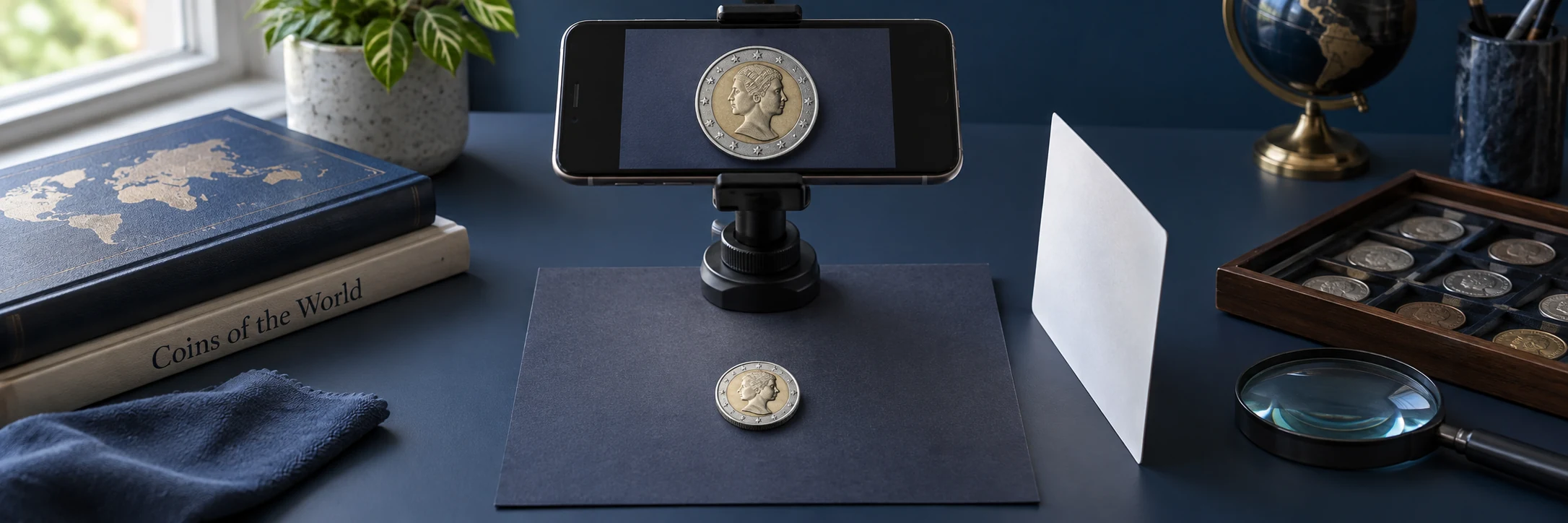
Tips Before Uploading a Foreign Coin Photo
Use natural light, place the coin on a plain background, and keep the camera straight above the coin. Make sure letters, numbers, and symbols are visible. Avoid flash glare on shiny coins and do not use filters that change the metal color.
Do not clean old coins before identification. Cleaning can leave scratches and may reduce collector value. If a coin seems rare, ancient, silver, gold, or unusually valuable, ask a professional before selling it.
FAQ
How can I identify a foreign coin?
Upload a clear photo of both sides and compare visible details such as country, script, year, denomination, symbols, and metal.
Can I identify a coin if I do not know the language?
Yes. A photo can still show symbols, portraits, numbers, and design clues that may point to the country or period.
Are foreign coins valuable?
Some are common, while others may be valuable because of rarity, condition, metal, age, or collector demand.
What details should be visible in the photo?
Try to show the year, denomination, text, portrait, symbols, edge, and the full shape of the coin.
Sources and further reading
Use these catalog and reference sites to compare the identification, specifications, and market context. They are reference points, not guarantees of a sale price.