
Ancient Coin Identifier
Ancient coins need more careful identification than modern coins. They may be worn, off-center, irregular in shape, hand-struck, corroded, or missing clear inscriptions. A photo can still reveal useful clues such as a portrait, deity, animal, symbol, metal, and historical style.
CoinsIdentification can help you take the first step by comparing visible details and suggesting a possible direction. For ancient coins, authenticity and condition are especially important, so expensive pieces should always be reviewed by a qualified expert.
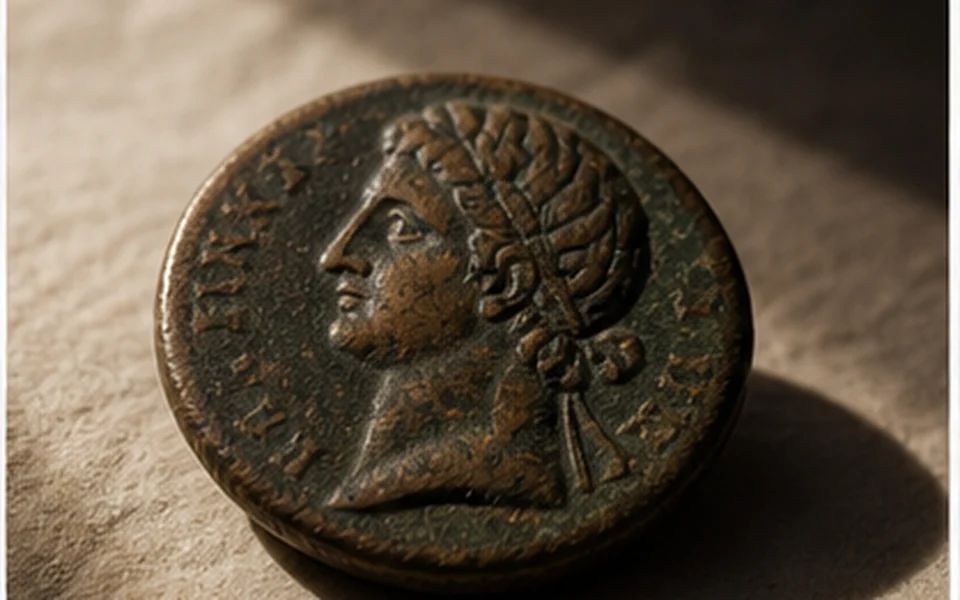
Use the scanner when you are ready to compare your coin with the clues in this guide.
Scan your coinAn ancient-looking coin needs a comparison of portrait, reverse design, lettering, weight, diameter, and metal. A visual match alone cannot establish authenticity.
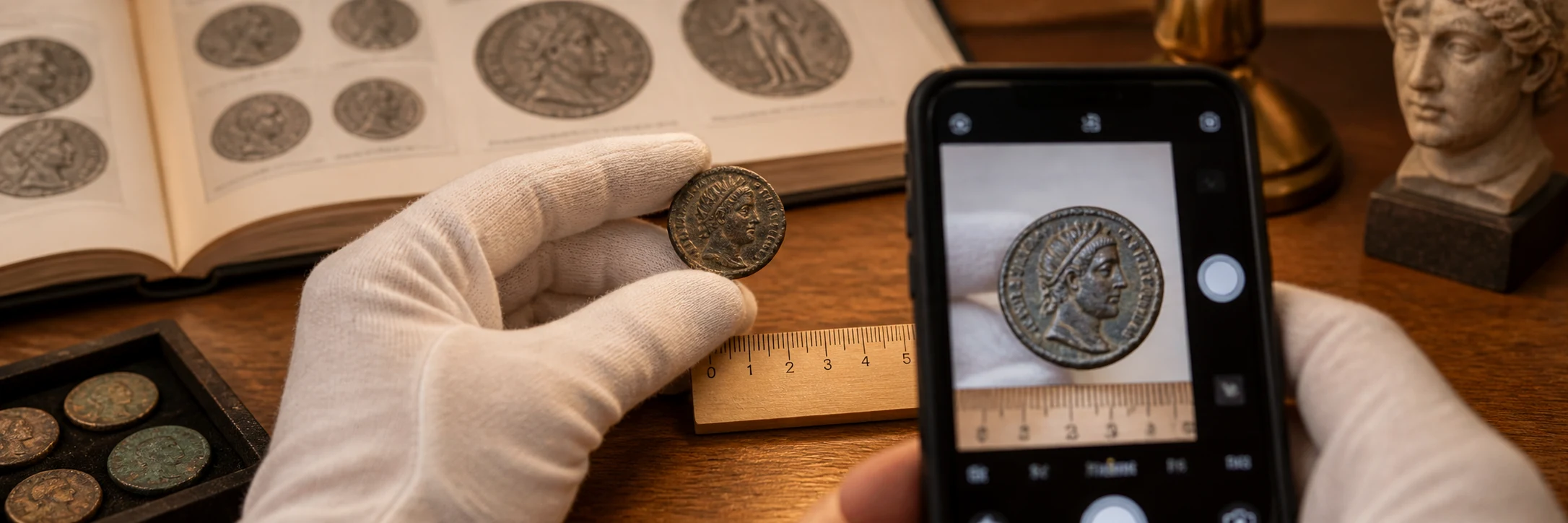
Worked example: a worn ancient-looking coin
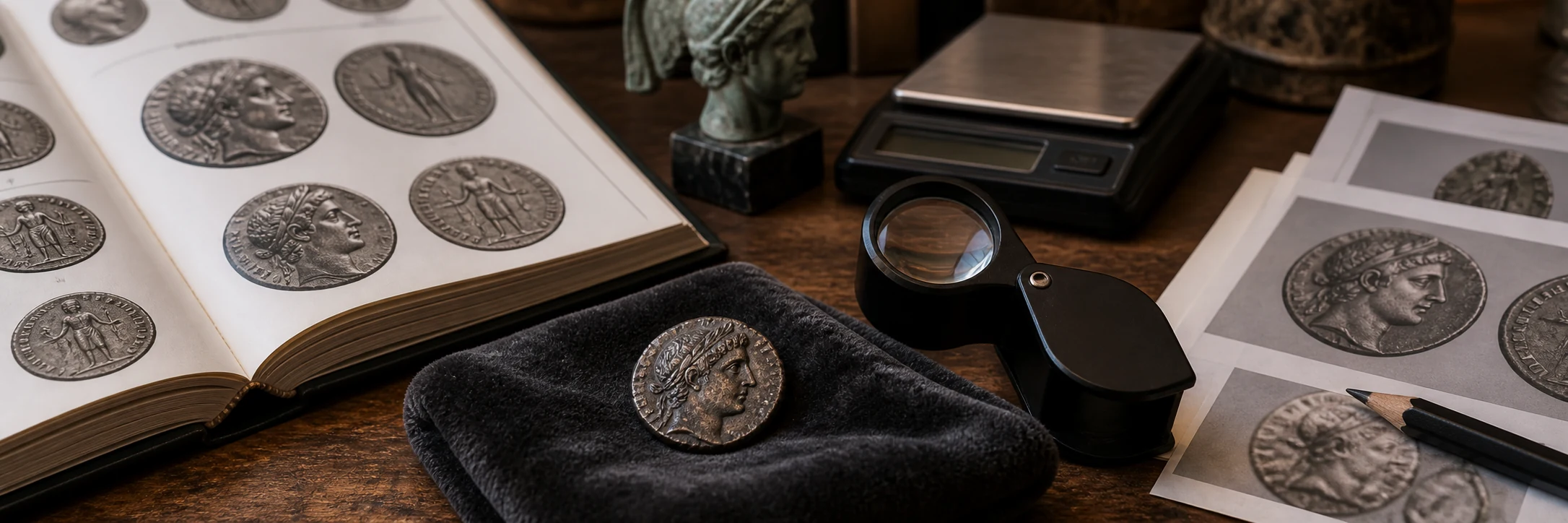
Record the portrait, reverse figure, visible letters, diameter, weight, and metal appearance. A similar design is only a research lead; authenticity and provenance need separate review.
What Makes Ancient Coins Different
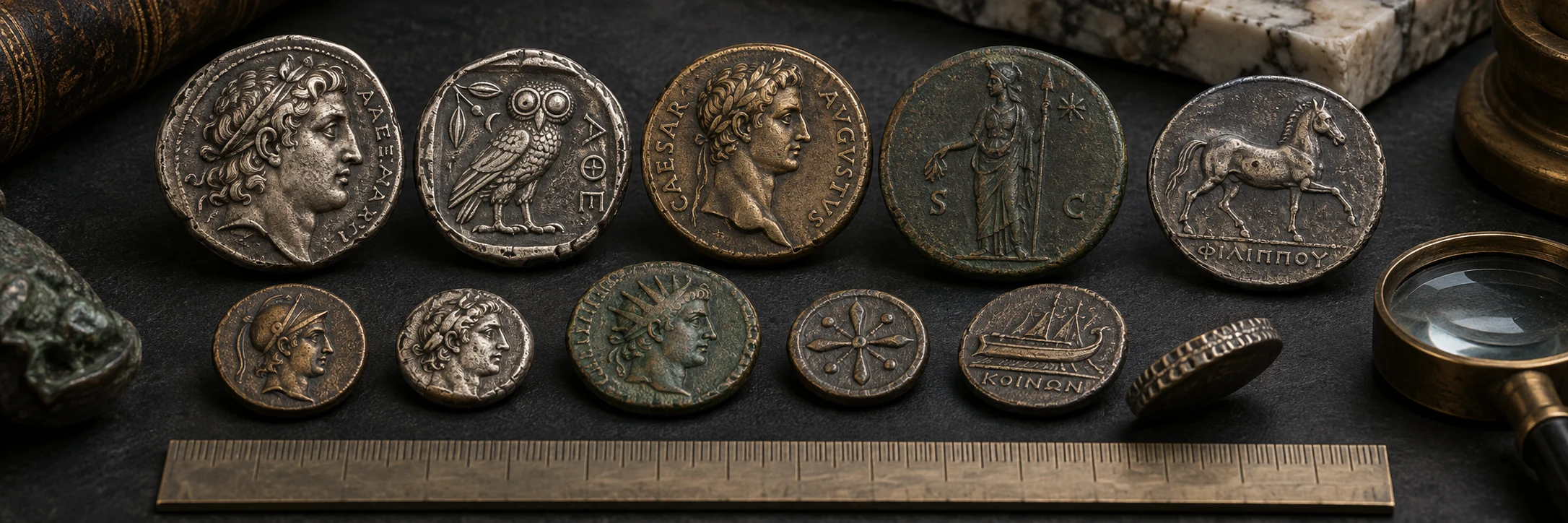
Ancient coins were often made with older production methods. Many were struck by hand, which means the design may not be perfectly centered. Shapes can be uneven, lettering can be partial, and two coins from the same period may look different.
The design may show a ruler, a deity, an animal, a city symbol, a temple, or a mythological scene. Instead of modern country names, ancient coins may use Greek letters, Latin inscriptions, local symbols, or abbreviations that require careful comparison.
How to Identify an Ancient Coin by Photo
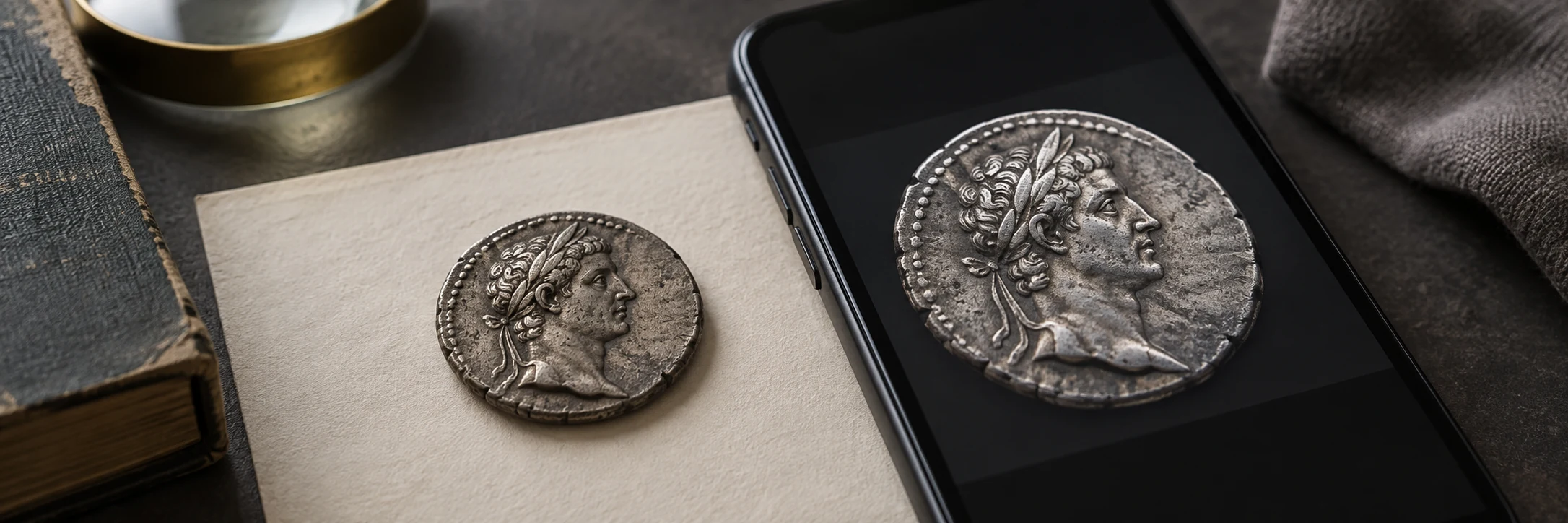
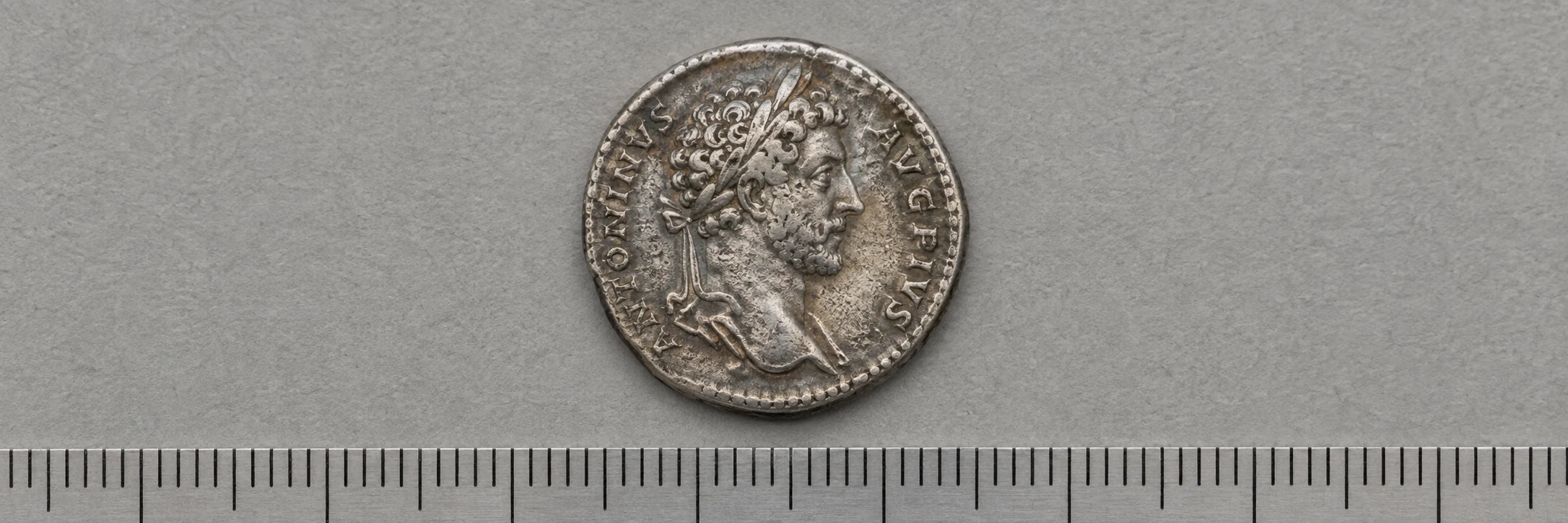
Start with a sharp photo of the front and back. The system can check portrait style, visible letters, symbols, shape, metal color, and the overall look of the coin. If the coin has a readable inscription, even a few letters can help.
Ancient coin identification is rarely based on one clue. The best results come from combining the image with size, weight, metal, and any known source. A bronze coin, a silver coin, and a gold coin from the same region can have very different values.
Common Clues on Ancient Coins
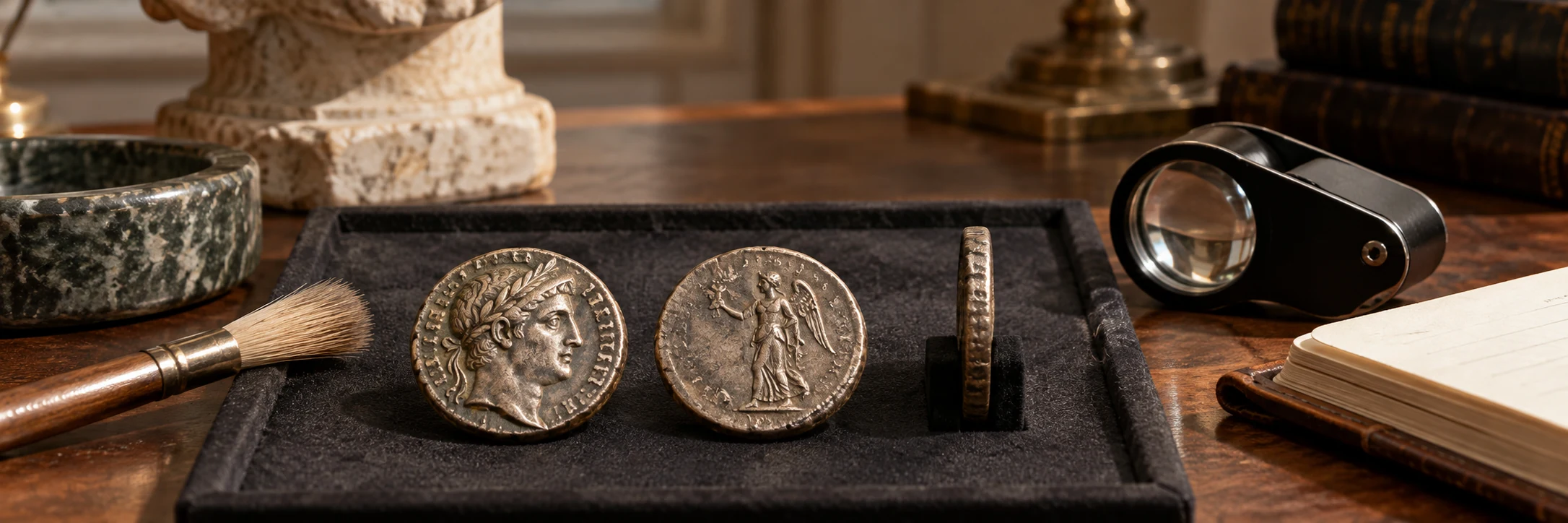
A ruler head may suggest a royal or imperial issue. An owl, eagle, horse, lion, wreath, temple, or deity can point toward a city, culture, or period. The reverse design is often just as important as the portrait side.
Because many ancient coins are worn, photo quality matters. Use side lighting gently to reveal raised details, but avoid harsh glare. Never scratch or clean a coin to reveal letters because damage can reduce value and make expert review harder.
Be Careful With Ancient Coin Value
Ancient coin value depends on authenticity, rarity, metal, condition, historical importance, and demand. A common bronze coin may be affordable, while a rare silver or gold coin can be much more valuable. Reproductions and tourist copies also exist.
Use online identification as a first step only. If the coin may be valuable, if you plan to sell it, or if you need authentication, consult a professional numismatist or grading service.
FAQ
Can I identify ancient coins by photo?
Yes, a photo can help find possible matches, especially when symbols, portraits, or letters are visible.
Are ancient coins always valuable?
No. Some are common, while others are valuable because of rarity, condition, metal, or historical importance.
How do I know if an ancient coin is real?
A photo alone cannot prove authenticity. Weight, metal, edge, surface, provenance, and expert inspection may be needed.
Should I clean an ancient coin?
No. Cleaning can damage the surface and reduce value. Ask an expert before any conservation work.
Sources and further reading
Use these catalog and reference sites to compare the identification, specifications, and market context. They are reference points, not guarantees of a sale price.