
Silver Coin Identification
Silver coin identification can help you find the possible country, year, type, and value range of a silver-colored coin. A photo can identify many coin types, but it cannot prove the exact silver content by itself.
Use CoinsIdentification as a first step, then confirm important details with weight, diameter, known specifications, and professional testing if the coin may be valuable.
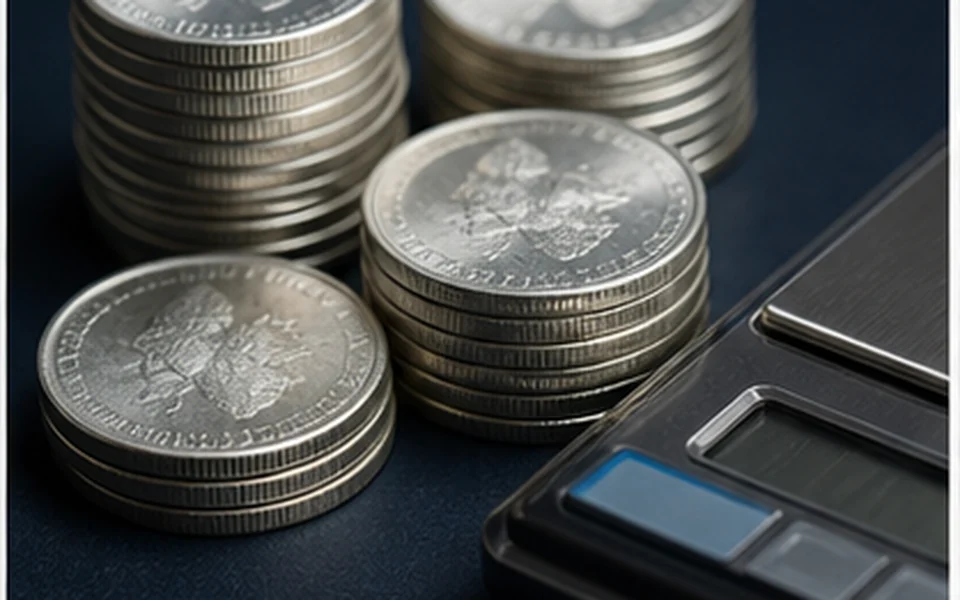
Use the scanner when you are ready to compare your coin with the clues in this guide.
Scan your coinUse the date, type, weight, diameter, edge, and catalog specifications as evidence. Color alone cannot prove that a coin is silver.
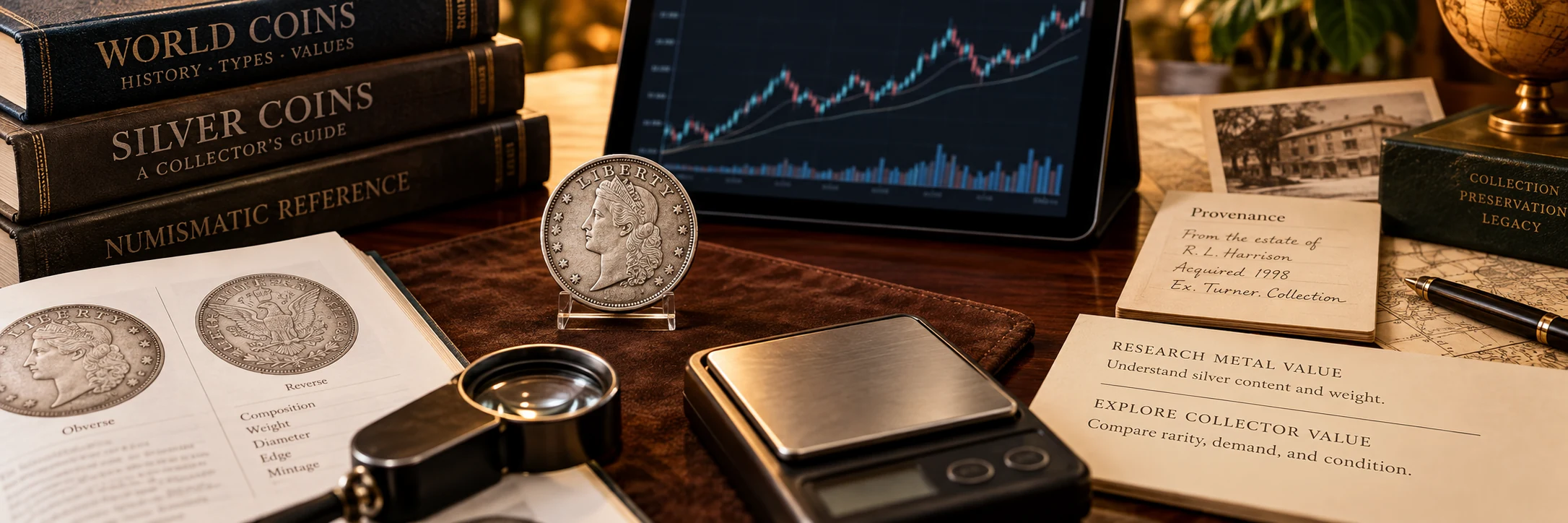
Worked example: a possible silver coin
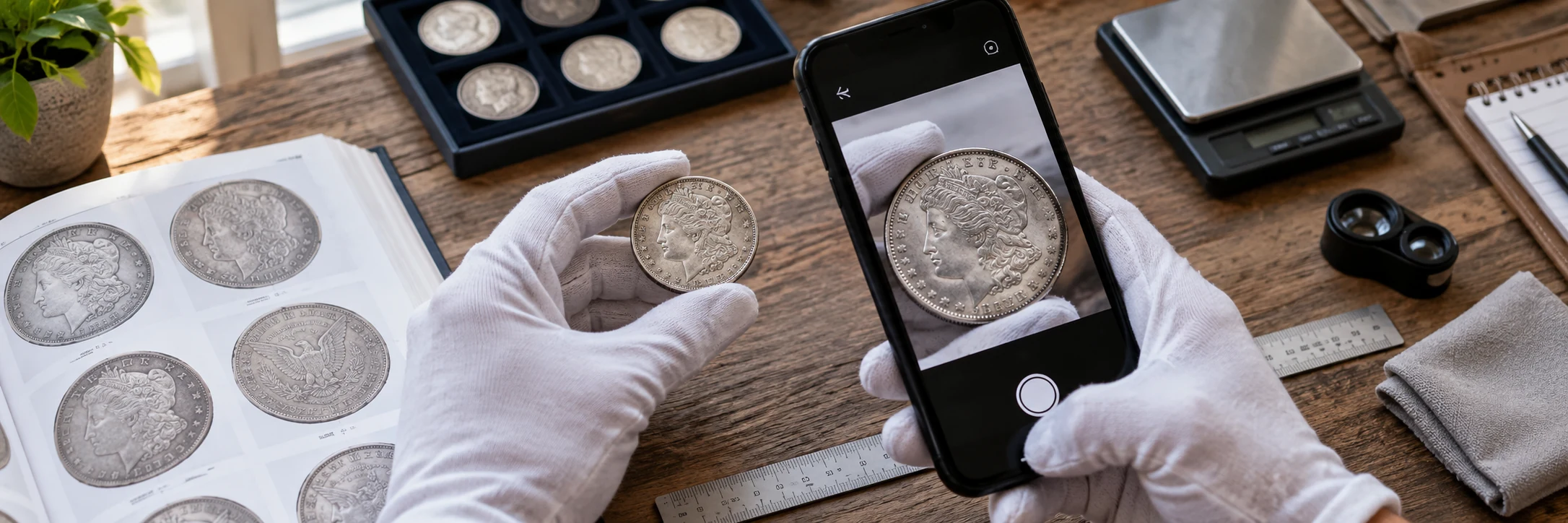
Photograph both sides, record the weight and diameter, and compare the date and edge with catalog specifications. Color alone cannot confirm the metal.
How Silver Coin Identification Works
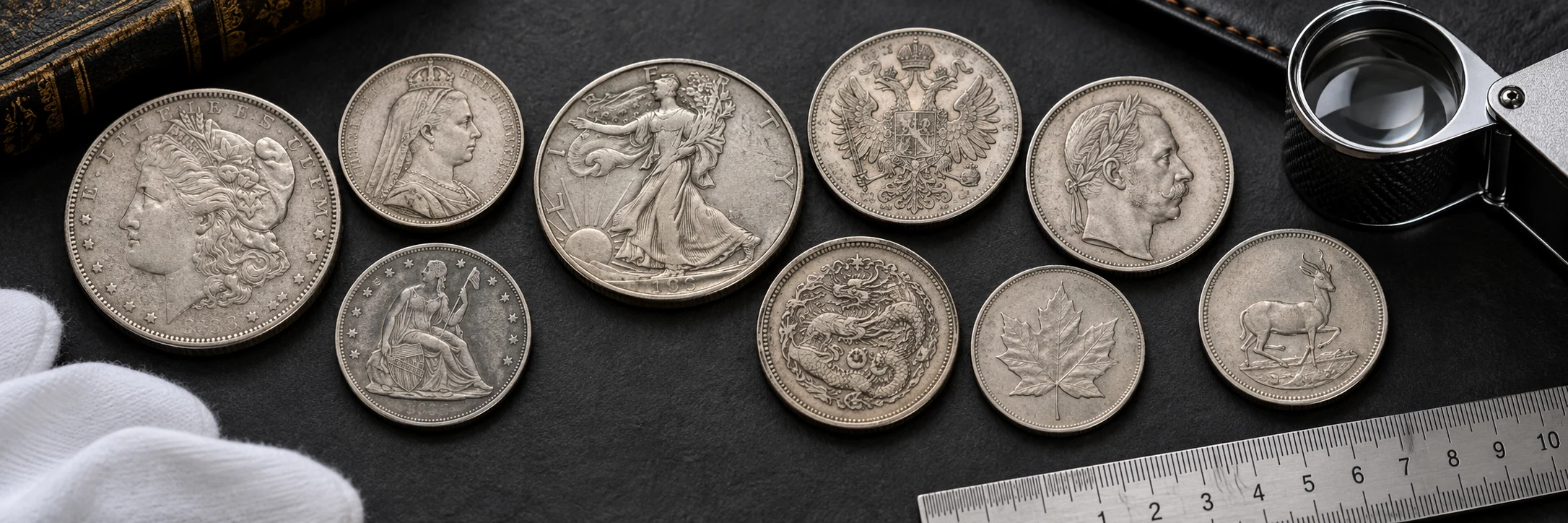
A clear photo can help match a coin to known silver issues by design, country, denomination, year, mint mark, and size. Many countries used silver for older dimes, quarters, half dollars, crowns, and commemorative coins.
However, silver color alone is not proof. Some coins are nickel, copper-nickel, plated, or polished. Exact metal content should be confirmed with reliable specifications or professional testing.
Signs That a Coin May Be Silver
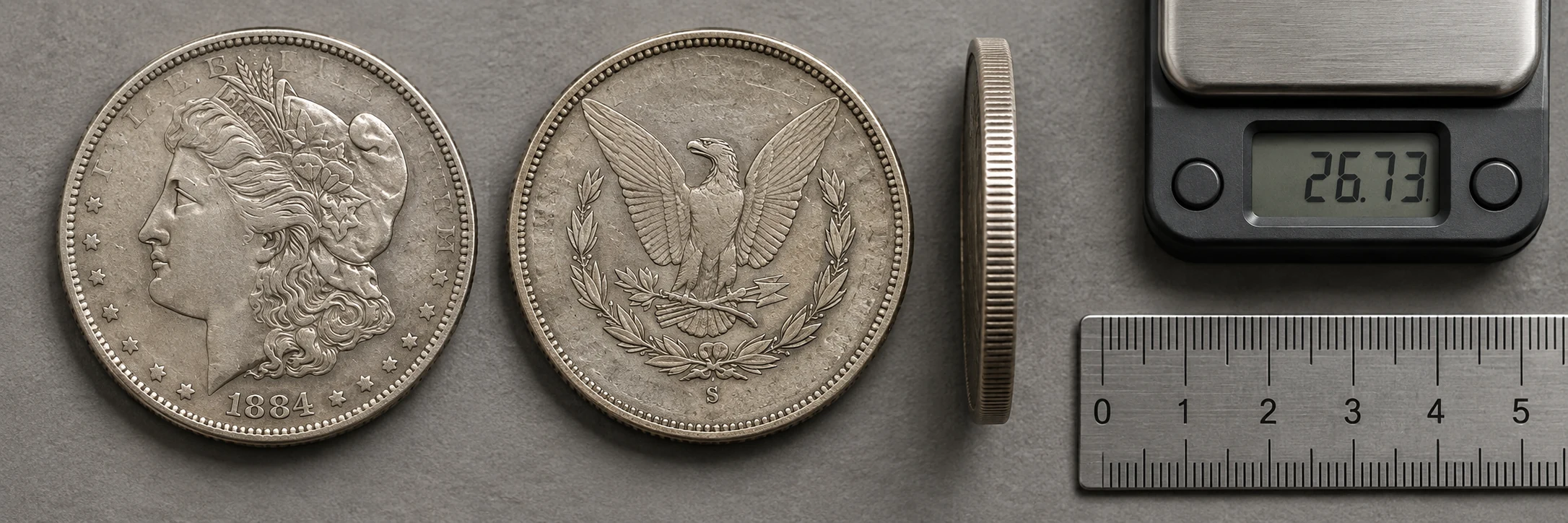
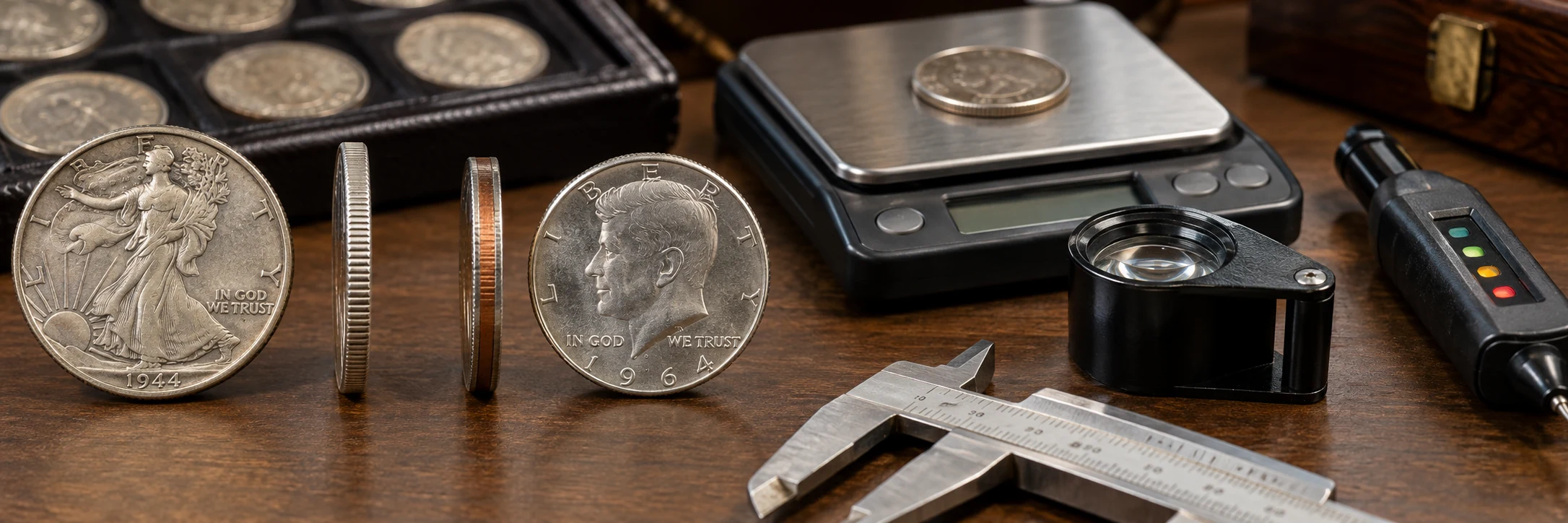
Useful clues include the year, known silver coin type, weight, edge appearance, color, shine, country, and denomination. For example, many older U.S. dimes, quarters, and half dollars were made with silver, while later versions often used clad metal.
Photograph the edge if possible. A copper-colored stripe on some modern coins may suggest a clad composition rather than silver.
Why Silver Content Matters
Silver coin value can include both numismatic value and metal value. A common silver coin may still have melt value because of its silver content, while a rare coin may be worth much more than the metal alone.
Do not clean silver coins to make them look brighter. Cleaning marks can reduce collector value, especially on older coins.
Silver Coin Value
Silver coin value depends on silver content, weight, condition, rarity, year, mint mark, collector demand, and the current silver price. Market prices change, so any estimate should be treated as approximate.
If the coin may be rare, high grade, ancient, or unusually valuable, professional appraisal is recommended before selling.
FAQ
Can I identify silver coins by photo?
Yes, a photo can help identify the coin type, but it cannot prove exact silver content alone.
How do I know if my coin is real silver?
Compare year, type, weight, diameter, and edge with official specifications or ask for professional testing.
Are all silver-colored coins made of silver?
No. Many coins look silver but are nickel, copper-nickel, clad, or plated.
What affects silver coin value?
Silver content, weight, condition, rarity, year, mint mark, demand, and silver spot price all matter.
Sources and further reading
Use these catalog and reference sites to compare the identification, specifications, and market context. They are reference points, not guarantees of a sale price.