
Gold Coin Identification
Gold coin identification can help you recognize the possible country, year, denomination, type, and estimated value range of a gold-colored coin. A photo is useful for identifying design, but it cannot prove that a coin is real gold.
If a coin may be gold or valuable, confirm weight, diameter, edge, metal content, and authenticity with a professional before selling or buying.
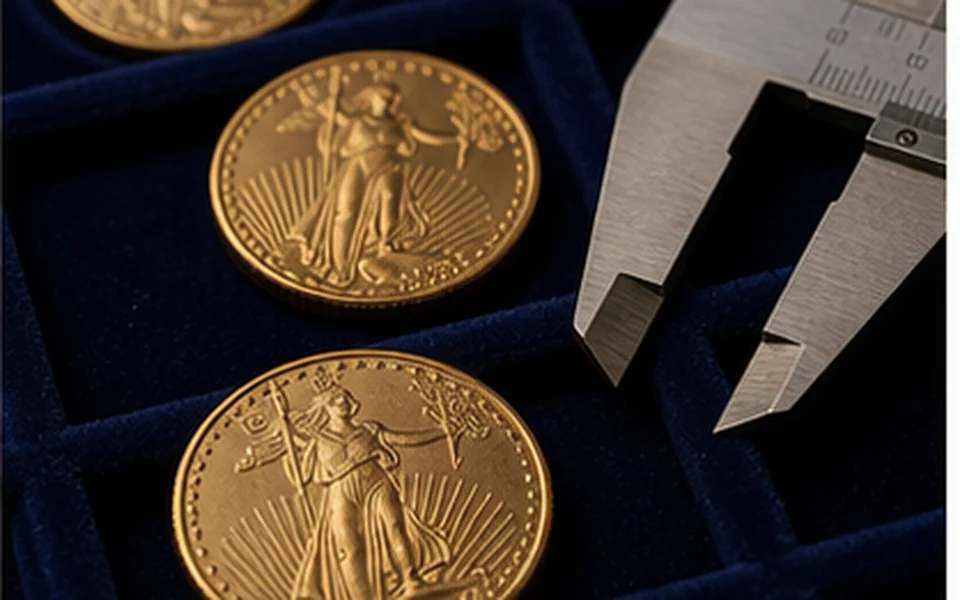
Use the scanner when you are ready to compare your coin with the clues in this guide.
Scan your coinTreat a photo as a research lead only; record dimensions and marks, then use proper metal testing and authentication before buying or selling.
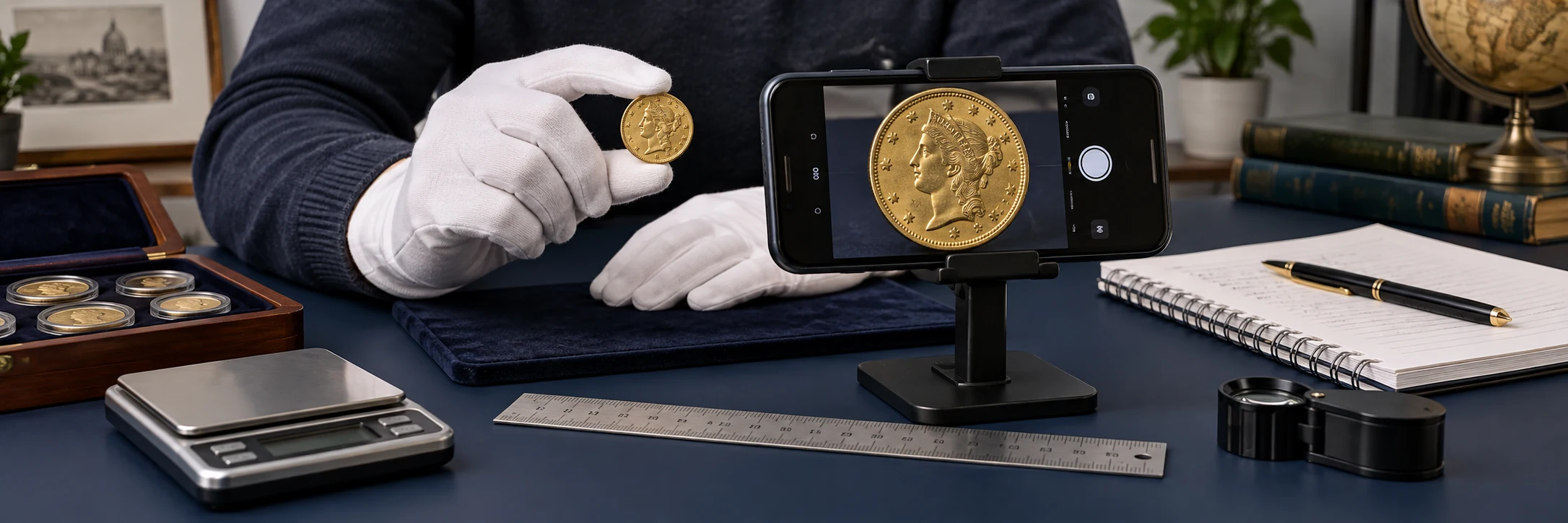
Worked example: a possible gold coin
Treat the scan as a first clue only. Record weight, diameter, edge, visible marks, and provenance, then arrange proper metal testing and authentication before selling.
How Gold Coin Identification Works
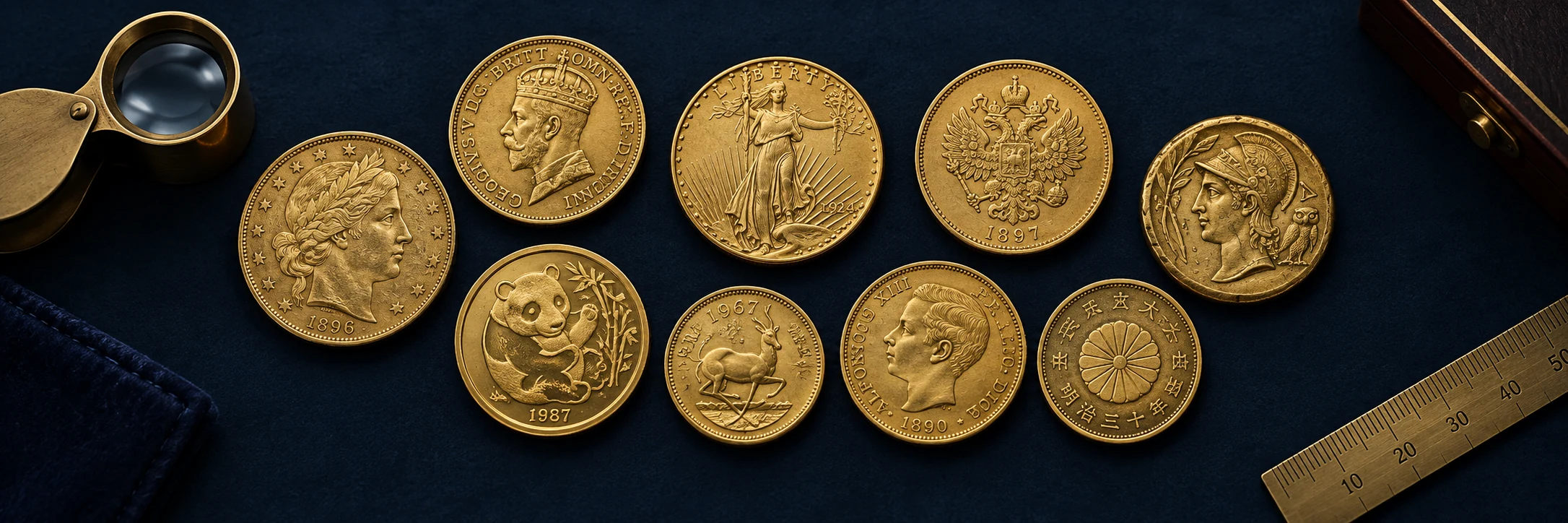
The tool checks visible details such as country, year, denomination, ruler, portrait, mint mark, inscriptions, and edge style. These clues can point to a known gold coin type or a similar market example.
Gold-colored coins can be genuine gold, plated, brass, bronze, or modern replicas. Because of that, photo identification should be treated as a possible match, not a guarantee of metal or authenticity.
Details to Check on a Gold Coin
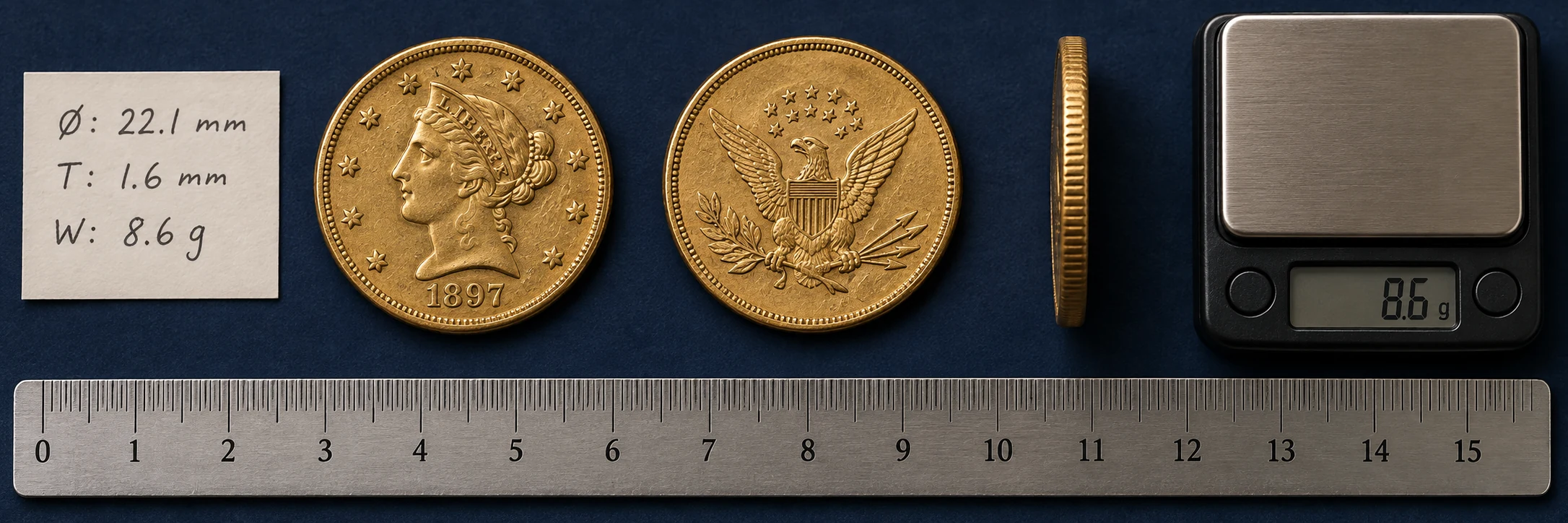
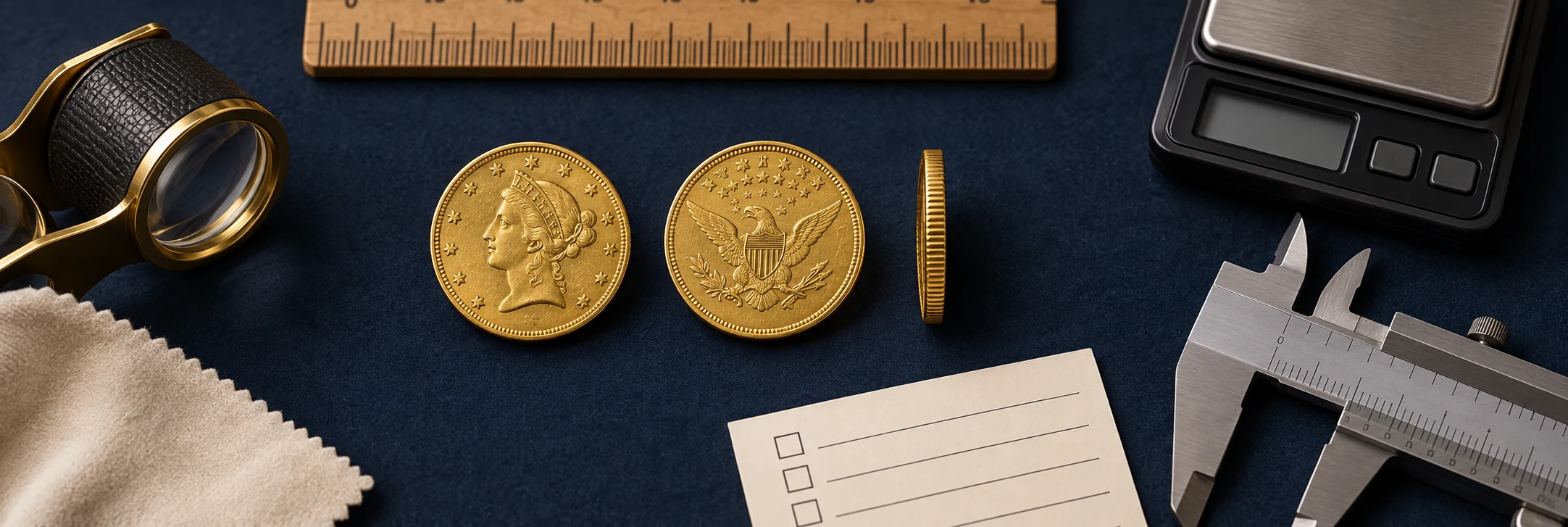
Photograph both sides clearly. Show the full edge if possible, because edge lettering or reeding can help identify the coin. If you know the weight and diameter, compare them with trusted specifications.
Useful details include the country, year, denomination, ruler or portrait, mint mark, weight, diameter, edge, and inscriptions. Small differences can separate a genuine coin from a replica or a different issue.
Gold Coin Value
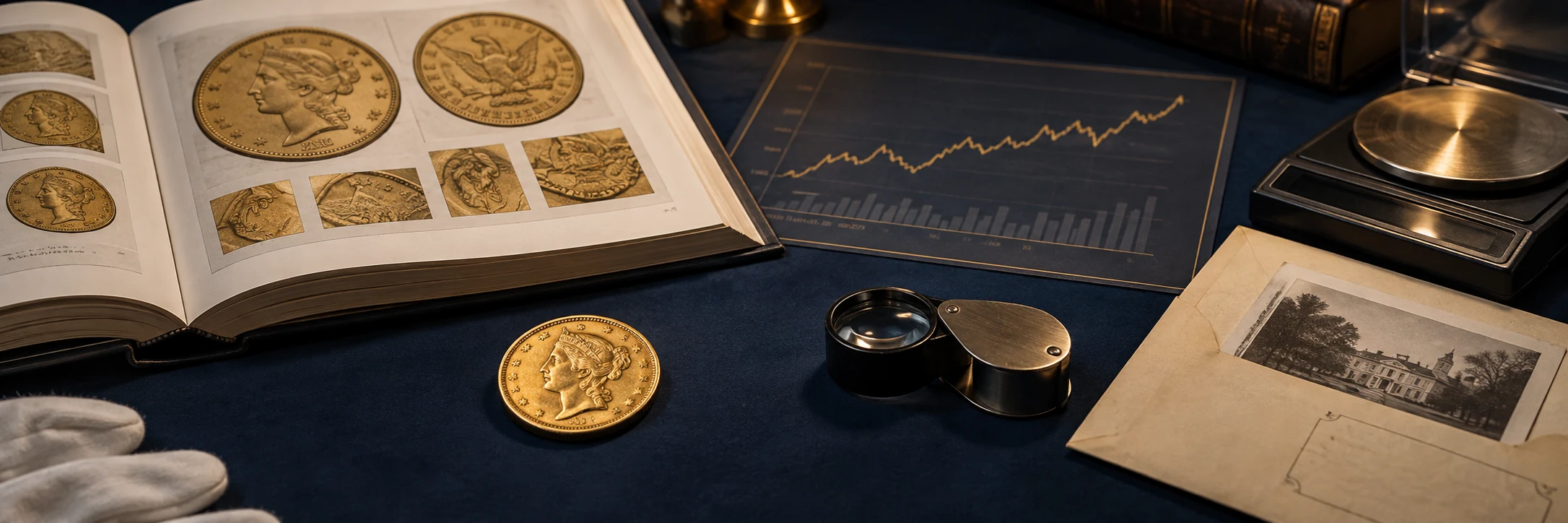
Gold coin value depends on gold content, weight, condition, rarity, collector demand, authenticity, and current gold price. Some gold coins trade close to metal value, while rare numismatic coins may sell for much more.
Market prices move over time, so estimated value should be used as a practical starting range. Do not rely on a single photo result for a high-value decision.
When to Ask a Professional
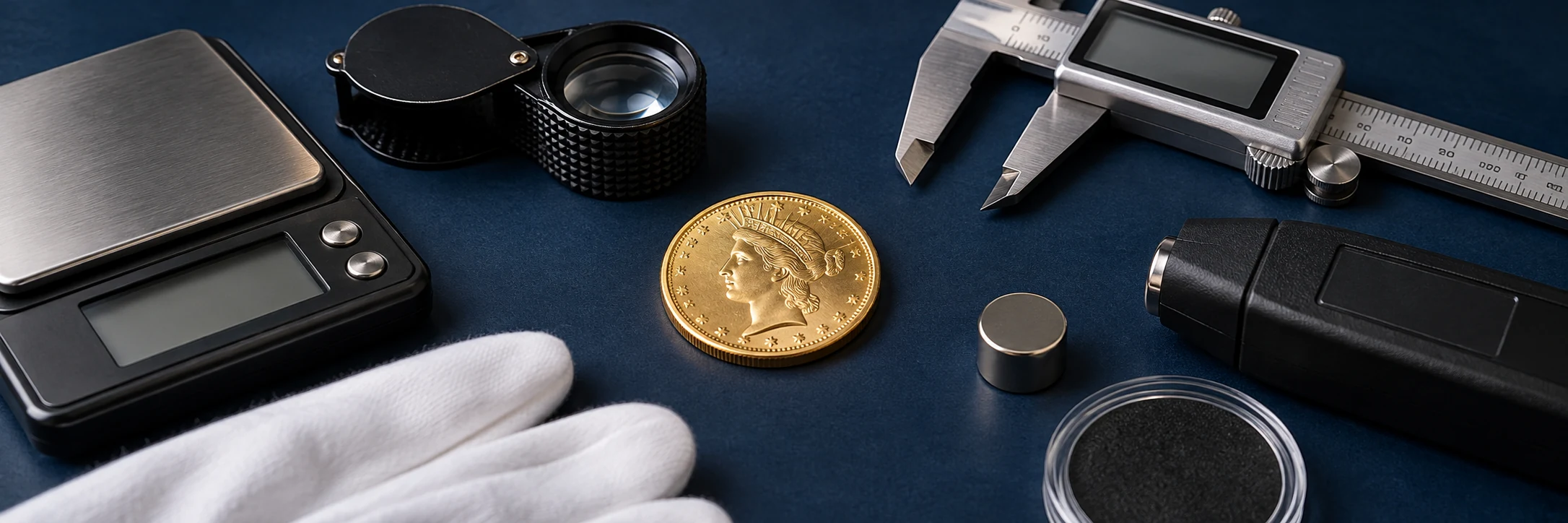
Ask a professional if the coin may be expensive, old, investment-grade, rare, or if you plan to sell it. A specialist can test metal, verify weight, check authenticity, inspect surface condition, and confirm grade.
Avoid cleaning or polishing a gold coin. Even if gold itself is durable, cleaning can damage collectible surfaces and lower numismatic value.
FAQ
Can I identify a gold coin by photo?
Yes, a photo can help identify the possible coin type, country, year, and design.
Can a photo prove that a coin is real gold?
No. Metal content and authenticity require weight, measurements, testing, and often professional inspection.
Are gold coins always valuable?
Gold coins usually have metal value, but final value depends on authenticity, condition, rarity, and demand.
What information helps estimate gold coin value?
Gold content, weight, year, country, mint mark, condition, rarity, and market price are important.
Sources and further reading
Use these catalog and reference sites to compare the identification, specifications, and market context. They are reference points, not guarantees of a sale price.