
1969-S Doubled Die Penny Value & Identification Guide
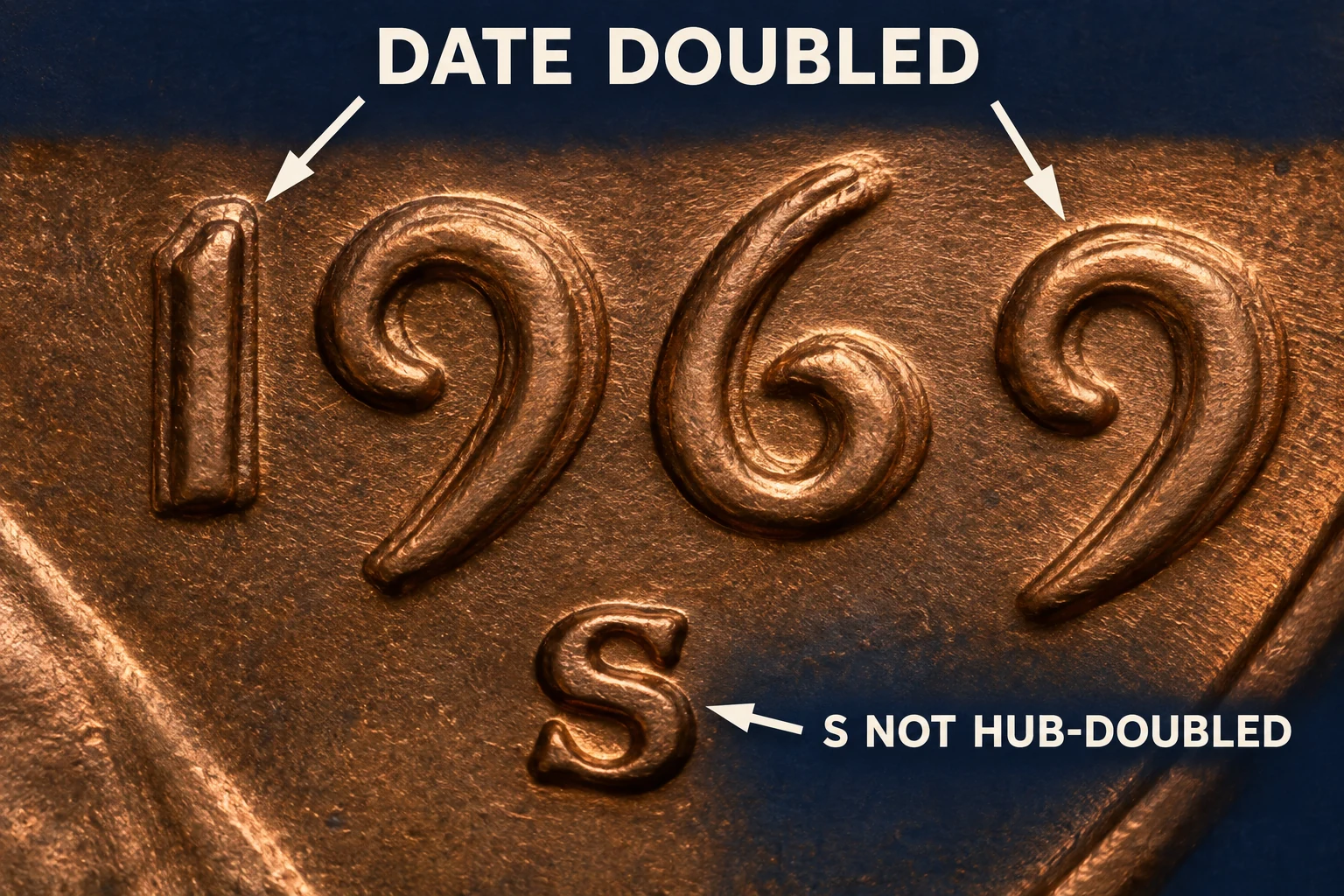
The 1969-S Doubled Die Obverse FS-101 is a rare Lincoln Memorial Cent with strong, visible doubling on the date, LIBERTY and IN GOD WE TRUST. The S mint mark was added to the die separately and is not part of the genuine hub doubling.
Collectors often search for a “1969-S double die penny,” but the standard term is doubled die. The variety is frequently confused with machine doubling, so several matching diagnostics and professional authentication matter before a value claim.
FS-101 terminology, specifications and market examples reviewed September 2026

How Much Is a 1969-S Doubled Die Penny Worth?
Authenticity comes before price.
A genuine 1969-S Doubled Die Obverse FS-101 can be worth tens of thousands of dollars, and the strongest certified Red examples can reach six figures. Grade, BN/RB/RD color, original surfaces, certification, provenance and auction timing all affect the result.
A PCGS MS64+RD example with CAC approval sold for $97,600 at Heritage Auctions on January 14, 2026. A PCGS MS63BN CAC example sold for $26,400 at Stack’s Bowers in March 2026. These are individual completed sales, not a promise that an uncertified coin has the same value.

1969-S Doubled Die Penny Value Chart
Only published PCGS guide checkpoints are shown in USD.
| Grade | Color | PCGS guide checkpoint |
|---|---|---|
| XF40 | BN | $13,500 |
| AU50 | BN | $14,500 |
| AU55 | BN | $20,000 |
| AU58 | BN | $23,500 |
| MS60 | BN | $28,500 |
| MS60 | RB | $30,000 |
| MS60 | RD | $31,500 |
| MS63 | BN | $38,500 |
| MS63 | RB | $47,000 |
| MS63 | RD | $65,000 |
| MS64+ | RD | $125,000 |
| MS65 | RD | $250,000 |
| MS66 | RD | $605,000 |
Only source-published numeric checkpoints are shown. Other grade/color combinations are omitted because the checked guide does not publish a numeric checkpoint for them; no value is interpolated. View the current PCGS Price Guide.

How Color Affects 1969-S Doubled Die Value
BN, RB and RD describe color preservation.
BN means Brown, RB means Red-Brown and RD means Red. PCGS lists the FS-101 variety under these color designations. Color is judged alongside grade and original surfaces. Cleaning or artificial brightening does not create a genuine RD coin and can damage the market position of a real variety.
What Does a 1969-S Doubled Die Penny Look Like?
Look for the same die pattern across the obverse.
PCGS describes strong, prominent doubling with a southeast direction, most visible on the date, LIBERTY and IN GOD WE TRUST. The separation should follow the design in a rounded, coherent way. A single blurry edge, scratch or flat shelf is not enough to identify FS-101.

1969-S Doubled Die Date
Start with the complete 1969 date, not one digit. FS-101 shows strong rounded separation on multiple numerals, generally trending southeast. A thin line, damage or a flat shelf can imitate doubling, so the date must agree with LIBERTY and the motto.

Check LIBERTY
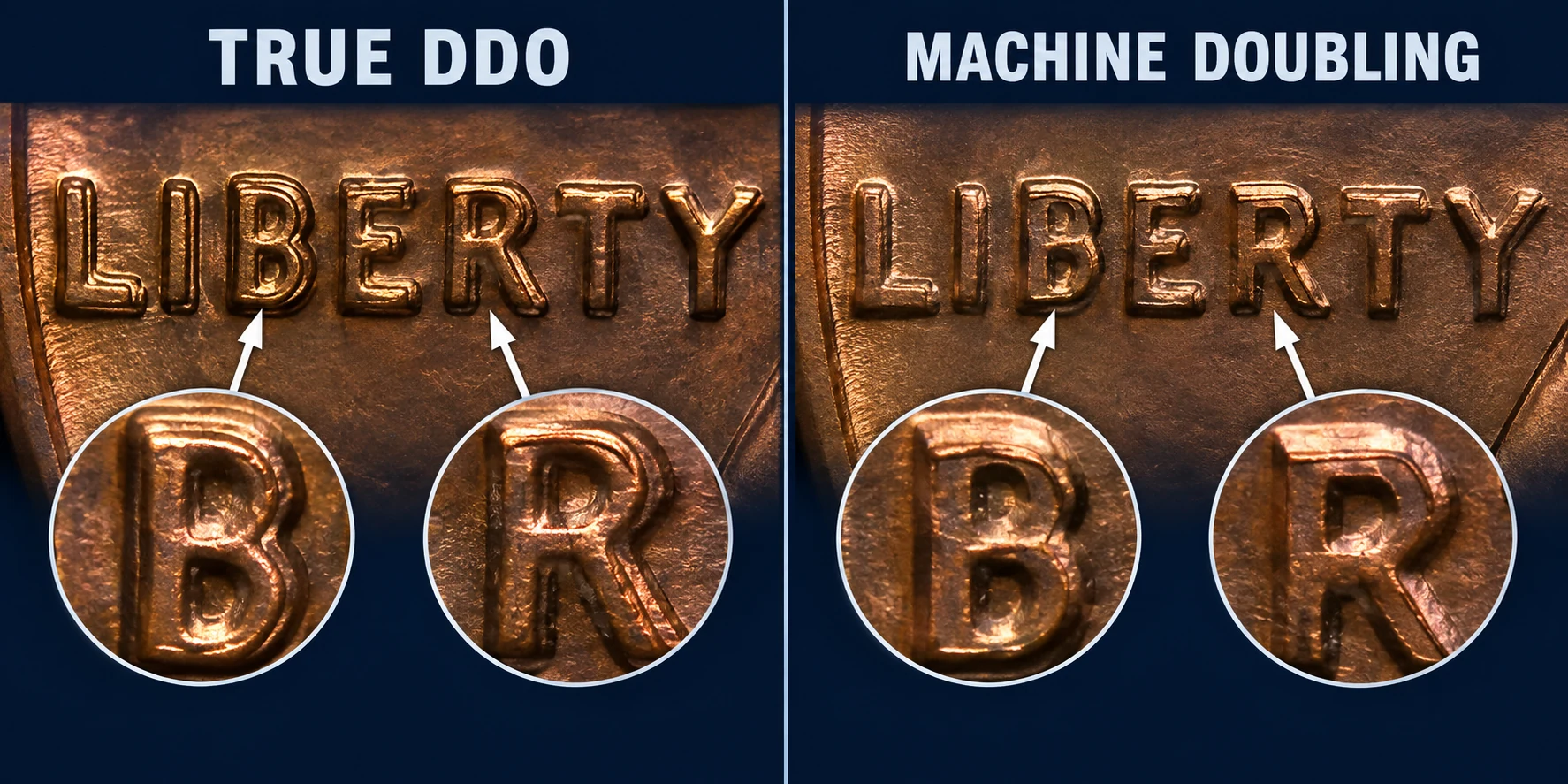
LIBERTY is one of the clearest screening areas. Genuine hub doubling produces broad, rounded separation that follows the letter shapes. Compare several letters and make sure the apparent second edge is part of the design rather than a scratch, glare or strike effect.

Check IN GOD WE TRUST
The motto is another primary diagnostic. Look for strong rounded doubling across several letters, with a direction and shape that agree with the date and LIBERTY. A motto-only claim is a lead for comparison, not a final attribution.

Should the S Mint Mark Be Doubled?
No, not as part of the genuine FS-101 hub doubling. The S was punched into the die separately, so a genuine 1969-S DDO does not need a doubled S. This is one diagnostic among several, not a shortcut to call every doubled-looking S fake. Machine doubling, damage and other effects can change the appearance of the mint mark.
What If My 1969-S Penny Is Not the Doubled Die?
Most 1969-S cents are regular coins.
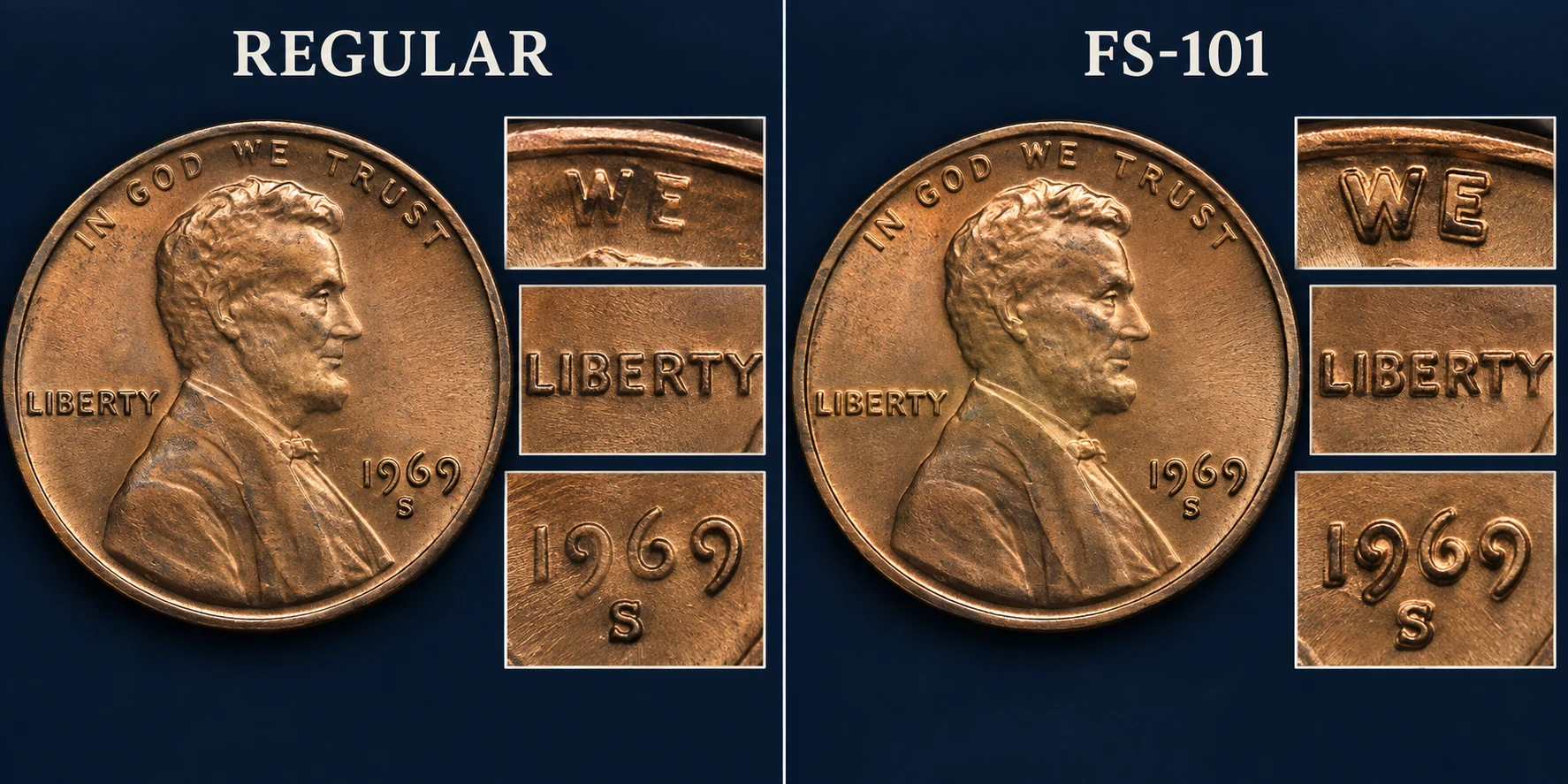
Most 1969-S pennies are not the rare FS-101 variety. A regular coin has normal date lettering, normal LIBERTY and normal motto details. Its value depends on condition, color and surface quality in the ordinary 1969-S cent market. Do not apply a certified FS-101 price to a regular coin, and do not treat a flat machine-doubled edge as the famous variety. This page keeps the regular issue brief so a dedicated 1969-S Penny value guide can cover its mintage, condition ranges and other errors separately.
| Feature | Regular 1969-S | FS-101 |
|---|---|---|
| Date | Normal lettering | Strong rounded doubling |
| LIBERTY | Normal lettering | Strong rounded doubling |
| Motto | Normal lettering | Strong rounded doubling |
| S mint mark | Normal mint mark | Not part of hub doubling |
| Rarity | Regular issue | Extremely scarce variety |
| Value | Regular coin market | Major variety market |
1969-S Doubled Die vs Strike Doubling
Die creation and striking leave different clues.
A true doubled die is created during die production and leaves rounded, separated design elements in a repeatable pattern. Strike doubling, also called machine or mechanical doubling, occurs during striking and is usually flatter, pushed or shelf-like. It can affect the mint mark with other design elements, while a genuine FS-101 pattern is strongest across the date, LIBERTY and motto. Machine doubling is common and normally does not carry the premium of FS-101.
How to Spot a 1969-S Doubled Die Penny
Use several diagnostics before seeking authentication.
- Confirm the date is 1969.
- Confirm the S mint mark below the date.
- Examine the full date under magnification.
- Check LIBERTY across several letters.
- Check IN GOD WE TRUST.
- Inspect the S separately because it is not hub doubled.
- Compare the full pattern with genuine FS-101 reference photographs.
- Rule out machine doubling before seeking authentication.
How to Get a 1969-S Doubled Die Penny Appraised
Do not pay for a full appraisal before checking whether the coin matches the basic FS-101 diagnostics. Photograph the obverse, take macro images of the date, LIBERTY, motto and mint mark, record the weight, and leave the coin uncleaned. If the diagnostics are plausible, professional attribution and grading make a later market appraisal more meaningful.
Authentication asks whether the coin is genuine FS-101. Grading asks what condition it is in. Appraisal asks what its estimated market value may be. PCGS and NGC can provide professional grading and attribution services, but this website cannot definitively authenticate a coin from a user photograph.

1969-S Doubled Die Pennies on eBay: What to Watch For
Asking price is not market value.
A seller can place “1969-S doubled die” in a listing title without proving FS-101. Prefer certified examples when the price is substantial, verify the certification number with the grading service and compare the exact date, LIBERTY, motto and mint-mark diagnostics. Do not use random active listings as price evidence. Review completed auction results, the grade, the color designation, the holder and the coin photographs. A raw coin may be worth investigating, but it remains an unverified candidate until the variety and condition are professionally reviewed.
How Rare Is the 1969-S Doubled Die Penny?
The exact surviving population is unknown. PCGS historical commentary reported fewer than 40 examples certified across grading companies as of 2009, with resubmissions likely included. Other published estimates describe only a few dozen known examples or a very small original production. These are estimates, not an exact census, and certification totals can count the same coin more than once. The safest conclusion is that the genuine FS-101 is extremely scarce.

Have 1969-S Doubled Die Pennies Been Found in Circulation?
Yes. PCGS documents a 1995 circulation discovery and Michael Tremonti’s 2007 discovery in an unsearched roll. Those events are part of the variety’s history, not evidence that a genuine FS-101 is easy to find in pocket change. Most apparent doubled cents are machine doubling, damage or ordinary design variation.
What Makes a 1969-S Doubled Die Penny Valuable?
Authentication is factor one.
Authenticity, rarity, strong matching DDO diagnostics, numerical grade, BN/RB/RD color, original surfaces, certification, provenance and collector demand all affect value. A Red coin with original luster can bring a very different result from a Brown coin at a similar grade. Auction prices can also move with eye appeal, market timing and competition, so there is no reliable formula that converts grade alone into a price.
1969-S Doubled Die Penny Auction Records
Representative results are not appraisals.
| Grade | Color | Certification | Auction | Date | Realized |
|---|---|---|---|---|---|
| MS63 | BN | PCGS CAC | Heritage | August 26, 2025 | $28,800 |
| MS63 | RB | PCGS | Stack’s Bowers | June 2025 | $43,200 |
| MS64 | RB | PCGS | Bowers & Merena | August 4, 2007 | $85,100 |
| MS64 | RD | PCGS | Heritage | January 2008 | $126,500 |
| MS64+ | RD | PCGS CAC | Heritage | January 14, 2026 | $97,600 |
Auction prices belong to individual coins and market dates. They do not form a straight grade-to-price ladder. Check PCGS CoinFacts records.

Why Was the 1969-S Doubled Die Once Considered Counterfeit?
Counterfeit 1969 doubled-die cents were investigated in the late 1960s and early 1970s. When genuine 1969-S Doubled Die Obverse examples appeared during that investigation, some were mistakenly treated as fakes and ordered destroyed. The episode explains why the variety became so scarce and why provenance and certification matter. The history does not replace the need for a matching date, LIBERTY, motto and mint-mark examination.

When Was the 1969-S Doubled Die Discovered?
PCGS credits Cecil Moorhouse and Bill Hudson with discovering the first 1969-S Doubled Die Obverse cents in July 1970. PCGS also documents later circulation and roll discoveries, including Michael Tremonti’s 2007 high-grade example. These stories explain how the variety entered the hobby, but they do not authenticate a modern photograph or a single doubled-looking mark.
1969-S Doubled Die Penny Specifications
Should You Clean a 1969-S Doubled Die?
No. Cleaning can create hairlines, alter the BN/RB/RD appearance and remove the original surface that graders and buyers need to evaluate. Hold a possible coin by its edge, keep it dry and leave the date and lettering untouched.
Sources for the identification and market notes
1969-S Doubled Die Penny FAQ
How much is a 1969-S Doubled Die Penny worth?
Genuine FS-101 cents can be worth tens of thousands of dollars. Grade, BN/RB/RD color, surfaces, certification and the exact market date all matter.
What does a genuine 1969-S Doubled Die look like?
Look for strong, rounded southeast doubling on the date, LIBERTY and IN GOD WE TRUST. The same pattern should agree across several obverse diagnostics.
Where is the doubling on a 1969-S penny?
Check the complete date first, then LIBERTY and IN GOD WE TRUST. Do not attribute the variety from one digit or one blurry edge.
Should the S mint mark be doubled?
No. The S was punched into the die separately and is not part of the genuine FS-101 hub doubling. A doubled-looking S can have another cause, so it is not a stand-alone fake test.
What is FS-101?
FS-101 is the recognized attribution for the major 1969-S Doubled Die Obverse variety.
How can I tell if my 1969-S penny is not the doubled die?
Most 1969-S cents are regular coins. A normal date, normal LIBERTY and normal motto do not match the rare FS-101 diagnostics, and FS-101 prices should not be applied to them.
What is a regular 1969-S penny worth?
A regular 1969-S cent is a separate market. Its value depends mostly on condition and color, and is normally far below a certified FS-101.
What is the difference between doubled die and strike doubling?
A doubled die is formed during die production and leaves rounded design separation. Strike or machine doubling happens during striking and is usually flatter, pushed or shelf-like.
How can I get a 1969-S Doubled Die appraised?
First compare the full FS-101 diagnostics without cleaning the coin. Then use professional authentication and grading before paying for a formal market appraisal.
Should I buy a raw 1969-S DDO on eBay?
Treat a raw marketplace listing as an unverified candidate. Prefer a traceable certified example, verify the certification number and compare completed sales rather than the seller’s asking price.
How rare is the 1969-S Doubled Die?
The exact surviving population is unknown. PCGS has described fewer than 40 certified examples as of 2009, with resubmissions possible, and the variety remains extremely scarce.
Were genuine 1969-S DDO cents confiscated?
Yes. Genuine pieces were caught up in the investigation of counterfeit 1969 doubled-die cents, and some authentic examples were mistakenly treated as fakes and ordered destroyed.
When was the variety discovered?
PCGS credits Cecil Moorhouse and Bill Hudson with discovering the first 1969-S Doubled Die Obverse cents in July 1970.
What should a 1969-S penny weigh?
The copper-cent specification is 3.11 grams, with a 19 mm diameter and plain edge. Weight supports screening but does not authenticate the variety.
Should I clean a possible 1969-S Doubled Die?
No. Cleaning can alter the surface, change the color designation, leave hairlines and reduce confidence and value.
Related Lincoln Cents
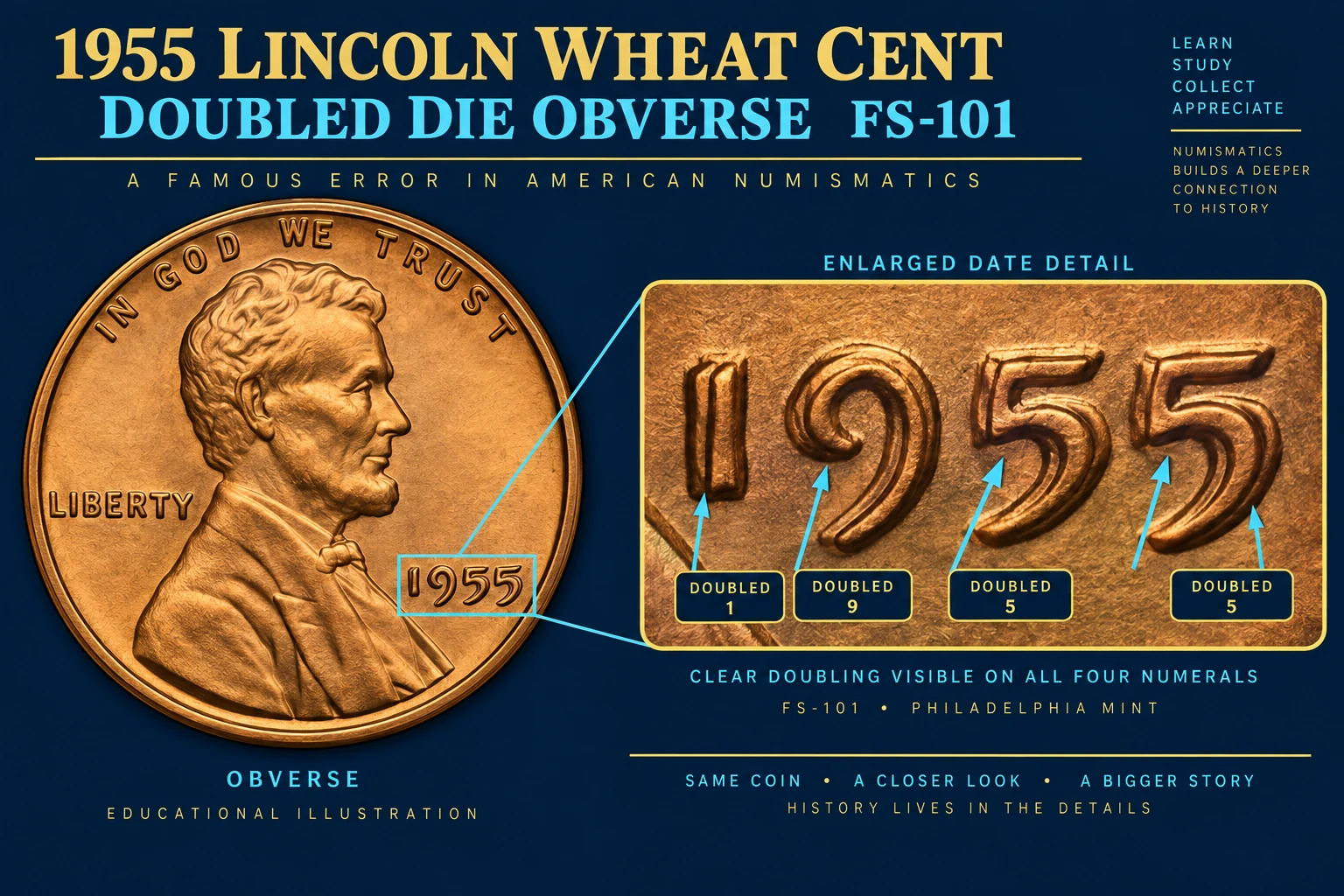
1955 Doubled Die Penny
Compare the variety, diagnostics and market context.
View coin →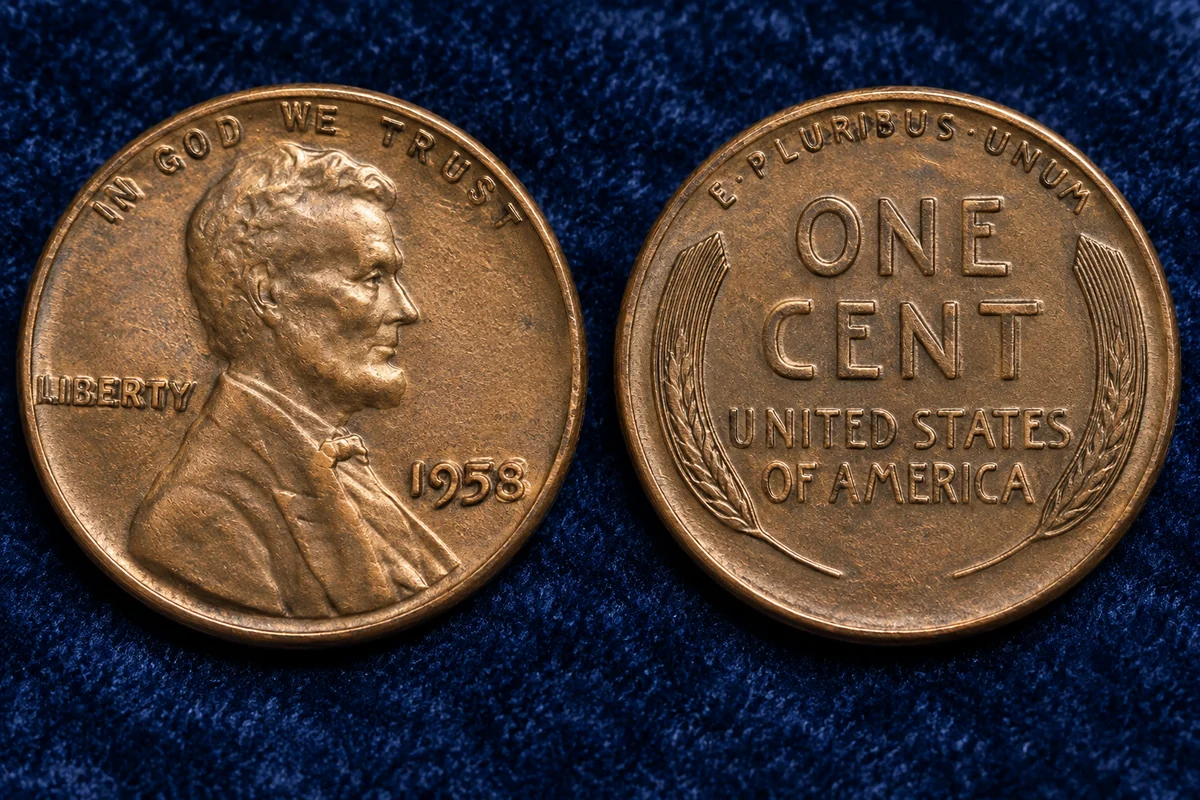
1958 Doubled Die Penny
Compare the variety, diagnostics and market context.
View coin →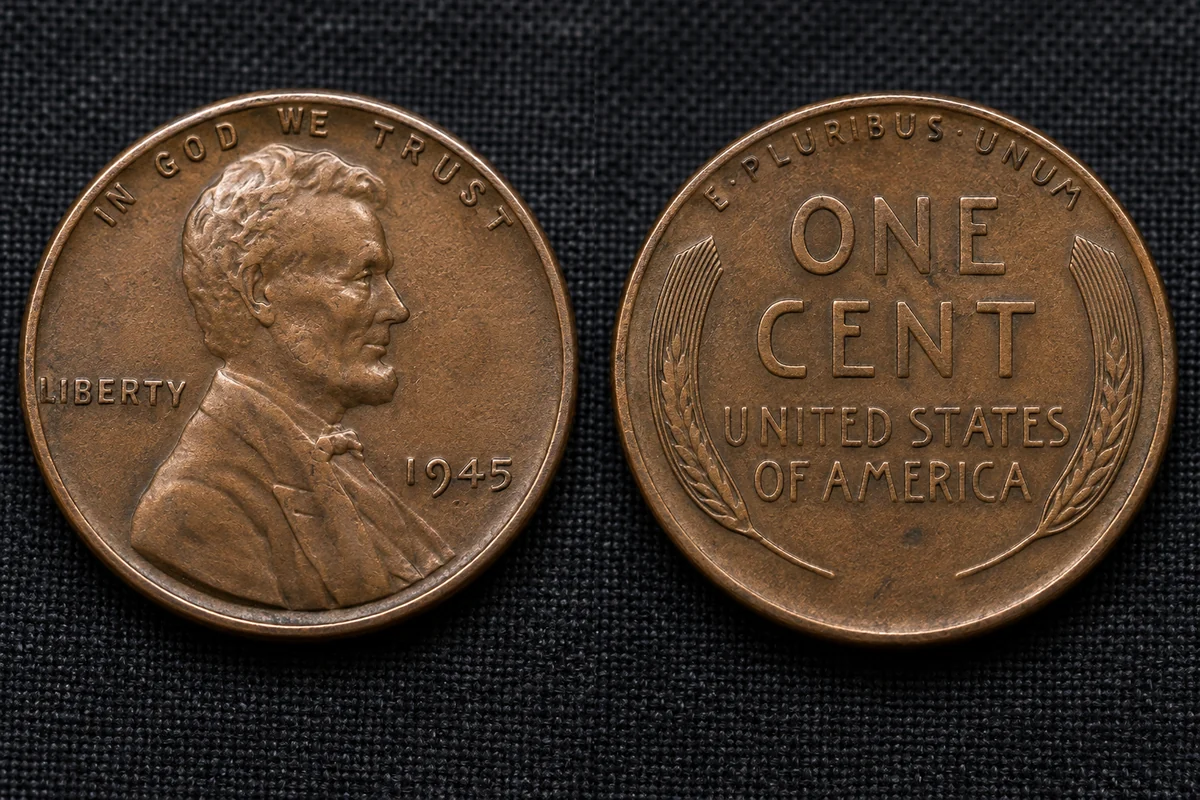
1945 Wheat Penny
Compare the variety, diagnostics and market context.
View coin →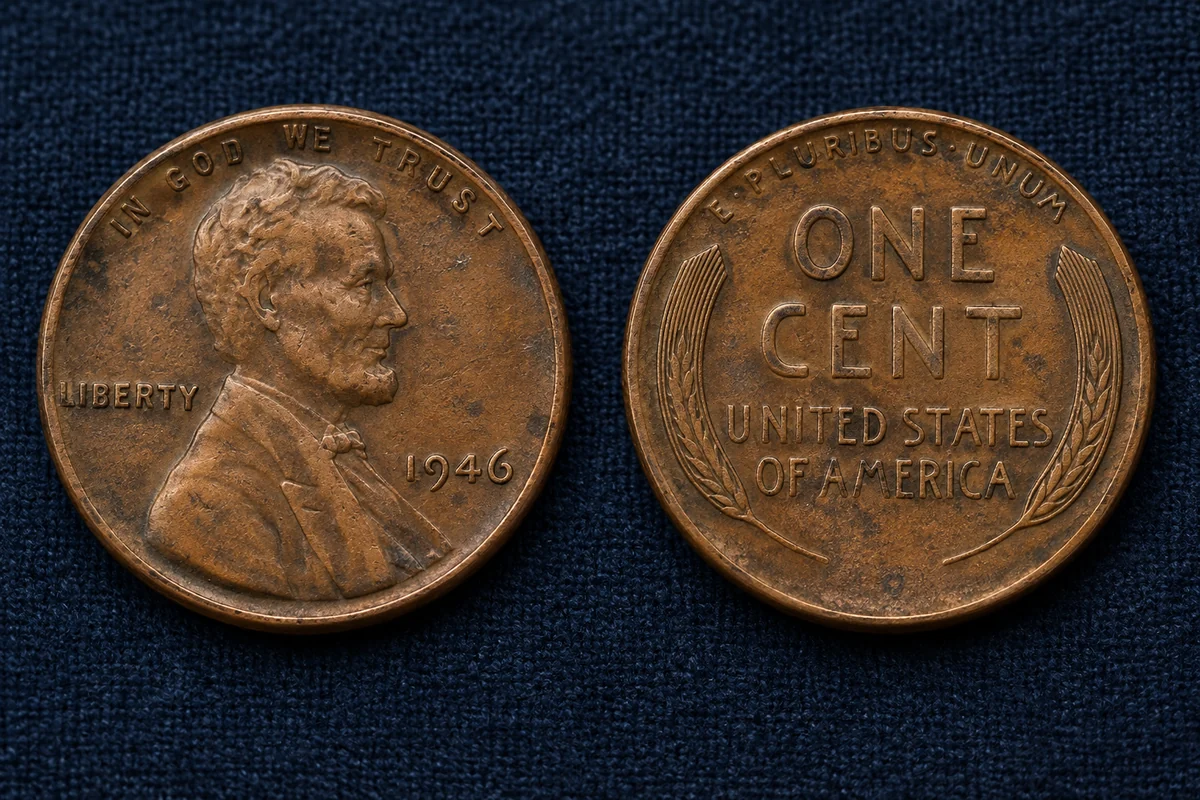
1946 Wheat Penny
Compare the variety, diagnostics and market context.
View coin →